


The 30 greatest “Saturday Night Live” cast members, ranked
The 30 greatest “Saturday Night Live” cast members, ranked

Dennis Perkins, Kevin JacobsenSat, September 26, 2026 at 2:00 PM UTC
99
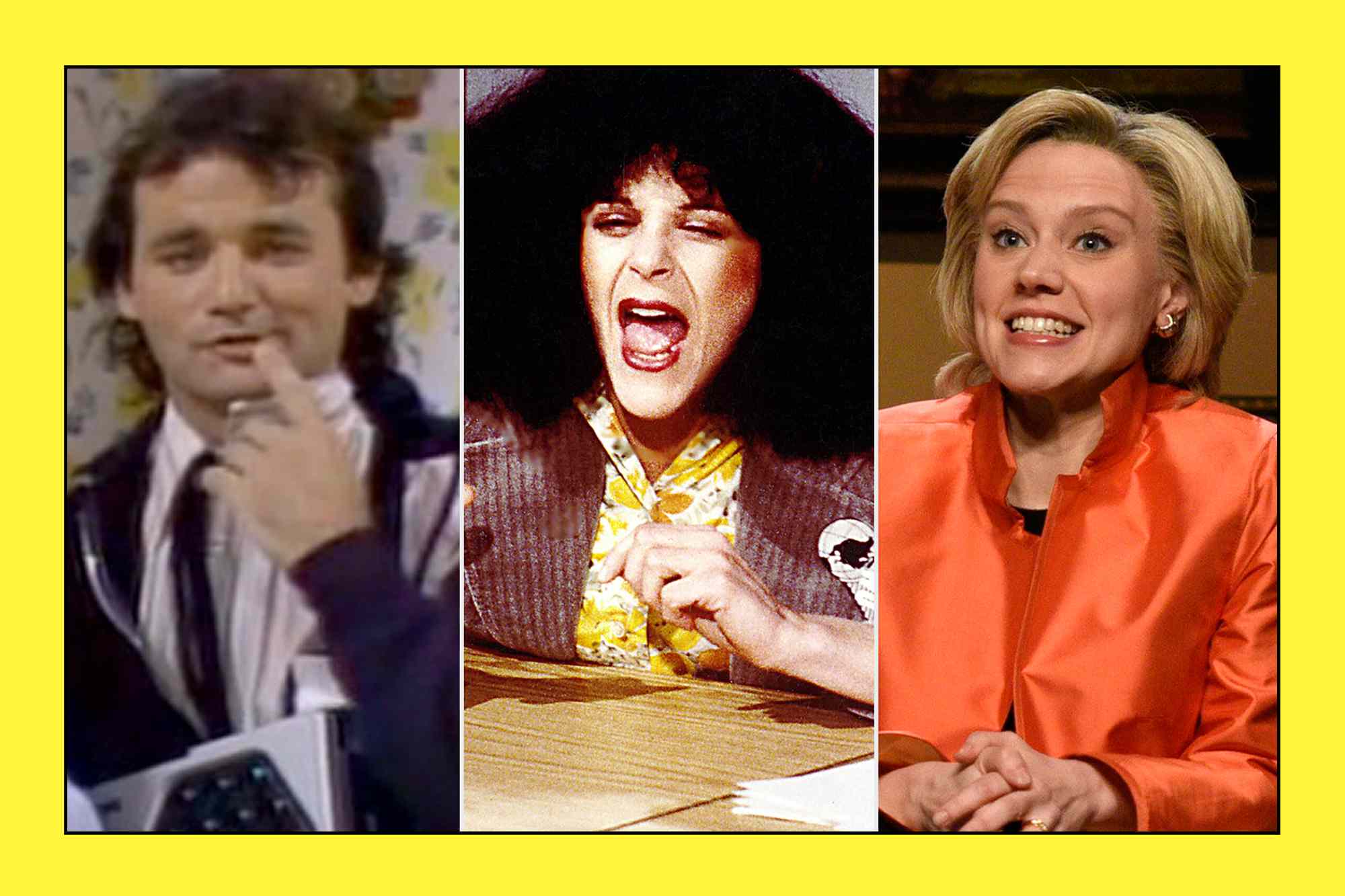
Bill Murray; Gilda Radner; Kate McKinnonCredit: NBC
Saturday Night Live is an institution, a proving ground for some of the best comedic talents in America to show what they’re made of in a fast-paced, chaotic environment without much of a safety net. After all, much of it unfolds live, and anything can go wrong. That’s what makes it all the more impressive when stars emerge with a variety of memorable characters, celebrity impressions, and well-delivered catchphrases that stick in the cultural consciousness for decades. SNL has seen plenty of performers leave without much fanfare, so the ones who stick it out tend to have the kind of longevity needed to make it in the entertainment industry.
With the late-night sketch series’ 52nd season now underway, we’re looking back on its most valuable players through the years. For this list, we’ve excluded alums who spent multiple seasons as anchors on Weekend Update (Tina Fey, Norm Macdonald, Seth Meyers, Amy Poehler, etc.). We’re also leaving out famous faces who found significantly greater success later on in their careers, so apologies to Joan Cusack, Michaela Watkins, Jenny Slate, Casey Wilson, Damon Wayans, Sarah Silverman, Julia Louis-Dreyfus, Tim Robinson, and others. You know who you are. Don’t worry, we still love you!
So, without further ado, here’s our (highly subjective!) ranking of the 30 best Saturday Night Live players of all time.
01 of 30
Bobby Moynihan (9 seasons; 2008–2017)
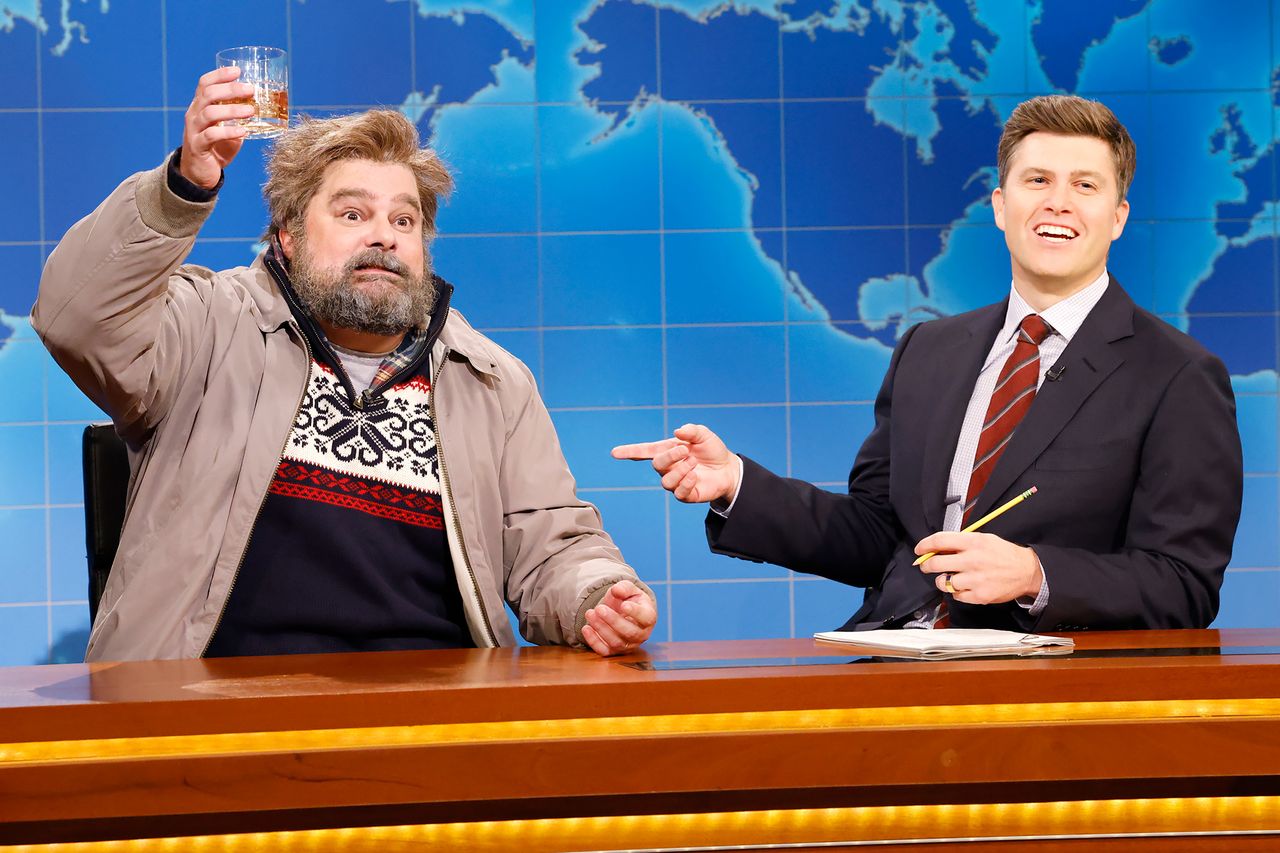
Bobby Moynihan and Colin Jost on ‘Saturday Night Live’Credit: Will Heath/NBC via Getty
While fellow repertory players Bill Hader, Kristen Wiig, and Kate McKinnon received much of the glory in the late-2000s to 2010s era, Bobby Moynihan was one of the clutch cast members we could rely on for a hearty laugh every week. Some of his best work came from behind the Weekend Update desk, particularly as the always-opinionated Drunk Uncle, secondhand news guy Anthony Crispino, or the obscenely orange Snooki from Jersey Shore.
Like many of the SNL greats, Moynihan’s comedic timing was sharp as a tack, but it was the way he modulated his voice depending on the character that helped him stand out. His mischievous grin was contagious, as was his chuckle that made it seem like he genuinely loved being on the show. And, of course, who could forget Ass Dan (RIP). —Kevin Jacobsen
02 of 30
Cheri Oteri (5 seasons; 1995–2000)
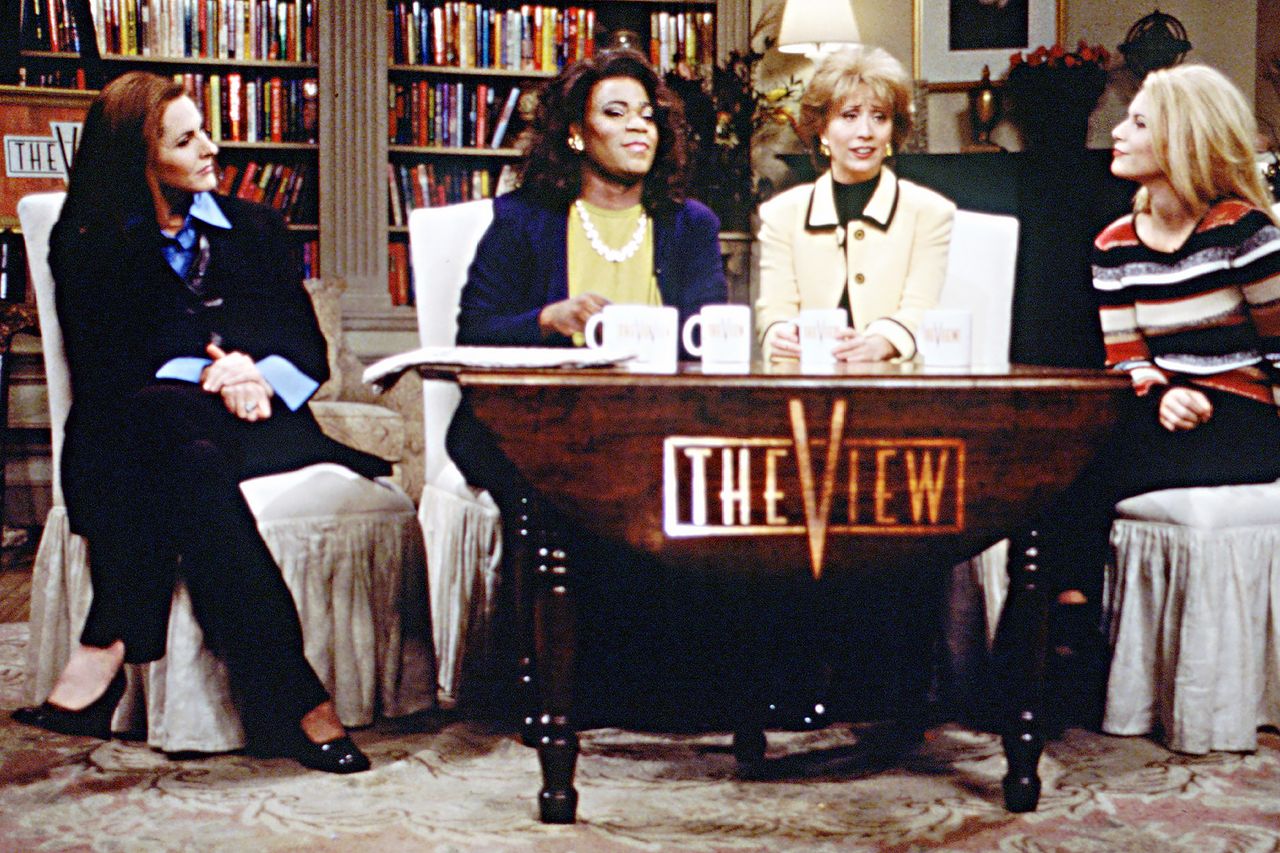
Molly Shannon, Tracy Morgan, Cheri Oteri, and Claire Danes on ‘Saturday Night Live’Credit: Courtesy Everett
It’s wild to remember that Cheri Oteri’s first-ever onscreen work was SNL, considering how shot out of a cannon she was. Oteri’s zany, over-the-top characters and utter commitment to goofiness was a feat to behold. With a Jim Carrey-like elastic face and a voice that could project to the cheap seats, she quickly became one of the most valuable players of the late-‘90s.
Oteri’s performance as an impatient employee, Nadeen, is especially a comedic tour de force every time, nailing every line reading “Simmah down now!” But her gift for celebrity impressions also made her a key figure, most notably her recurring bit as Barbara Walters and her idiosyncratic high, breathy tone. It’s a shame that Oteri never got the kind of thriving film/TV career we expected following her 2000 departure compared to contemporaries like Will Ferrell or Molly Shannon, though it’s always a delight when she shows up in anything all these years later. —K.J.
03 of 30
Tracy Morgan (7 seasons; 1996–2003)
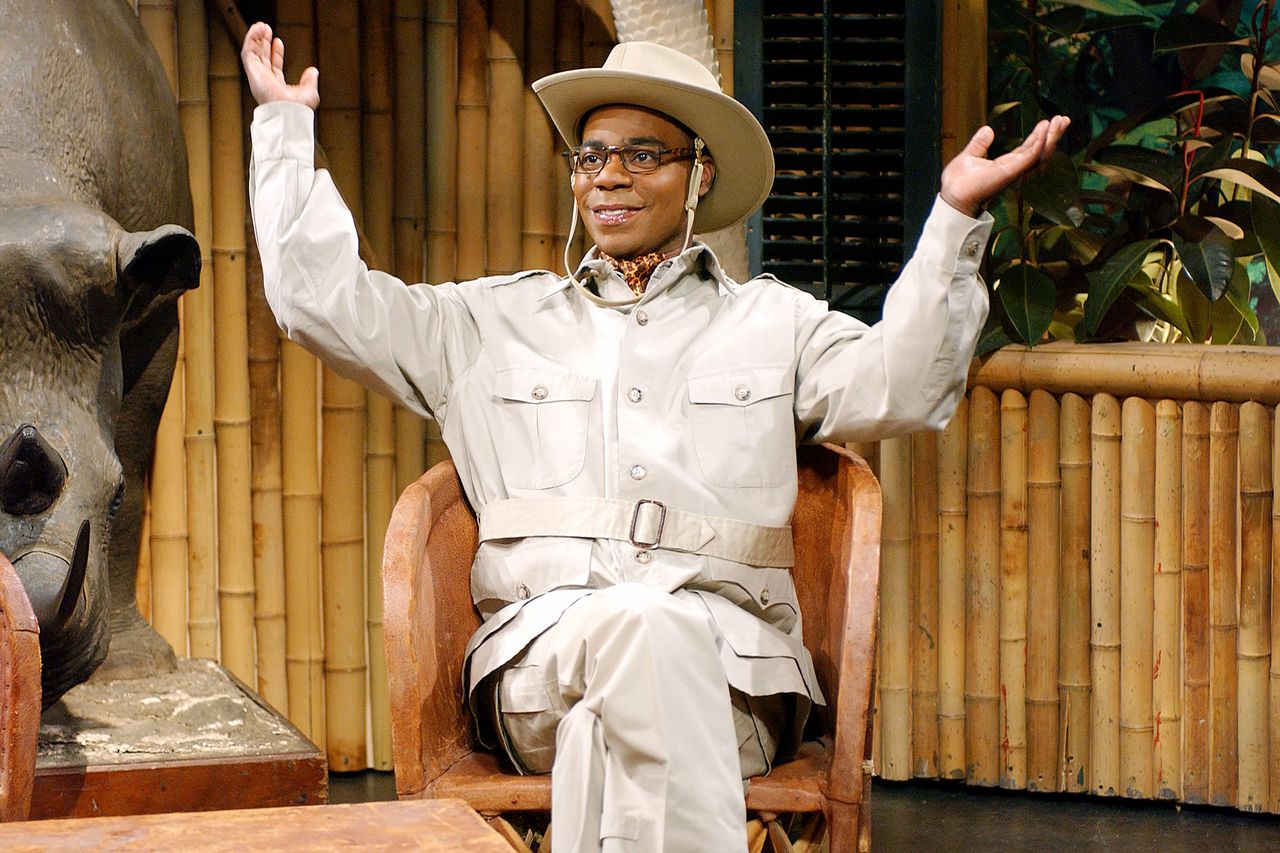
Tracy Morgan on ‘Saturday Night Live’Credit: Dana Edelson/NBCU Photo Bank/NBCUniversal via Getty
While Tracy Morganstruggled to find his voice on SNL at first, he certainly utilized it well in the seasons to come. Morgan made meals out of unusual characters such as exuberant Safari Planet host Brian Fellow or Astronaut Jones, a spaceman hopelessly distracted by the alien women he encounters. His genius was in making sketches work that would’ve been mind-numbingly flat in another actor’s hands through sheer, earnest commitment to the bit.
Of course, Morgan would find even greater success as Tracy Jordan on 30 Rock three years after leaving the sketch show. Series creator Tina Fey wrote the character with Morgan in mind, having worked with him extensively on SNL, and it was a true match made in heaven. His Emmy-nominated performance was the perfect project for Morgan, leaning into the unpredictable energy and childlike bluntness he excelled at on SNL. —K.J.
04 of 30
Mike Myers (7 seasons; 1989–1995)
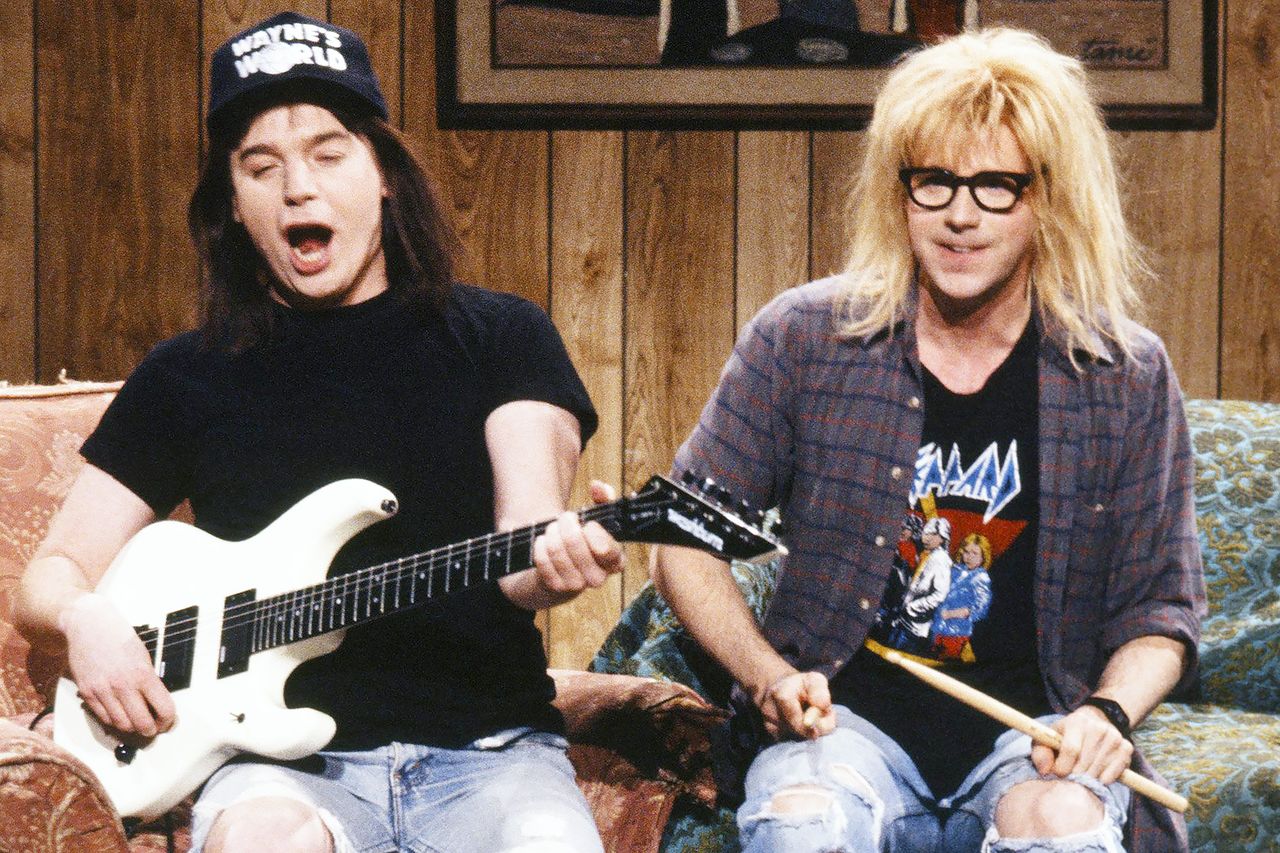
Mike Myers and Dana Carvey on ‘Saturday Night Live’Credit: Alan Singer/NBCU Photo Bank/Getty
Gifted chameleon Mike Myers was a master at creating instantly memorable SNL characters. The standout example is Wayne Campbell, who was such a hit he made two movies reprising his role as the metalhead during his tenure on the show. (Not to mention his later success with diverse comedic film roles, including Austin Powers, Dr. Evil, Fat Bastard, Shrek, and the Cat in the Hat...)
“What Jerry Seinfeld said about me is that I’ve managed to break the rules of all American parody: I parody things that Americans don’t even know,” Myers told EW in 2008. “It’s been said of me that I can do comedy where comedy hadn’t previously existed.”
While this quote may sound boastful to some, he’s not wrong. In addition to Wayne Campbell, Myers’ time on SNL was filled with such great recurring bits, particularly as talk show hosts like Linda Richman of Coffee Talk (a.k.a. “Coffee Tawk”) or turtleneck-wearing, aggressively German Dieter of Sprockets. A true perfectionist, you could always count on Myers to deliver carefully constructed characters with internal lives and razor-sharp punchlines. —K.J.
05 of 30
Rachel Dratch (7 seasons; 1999–2006)
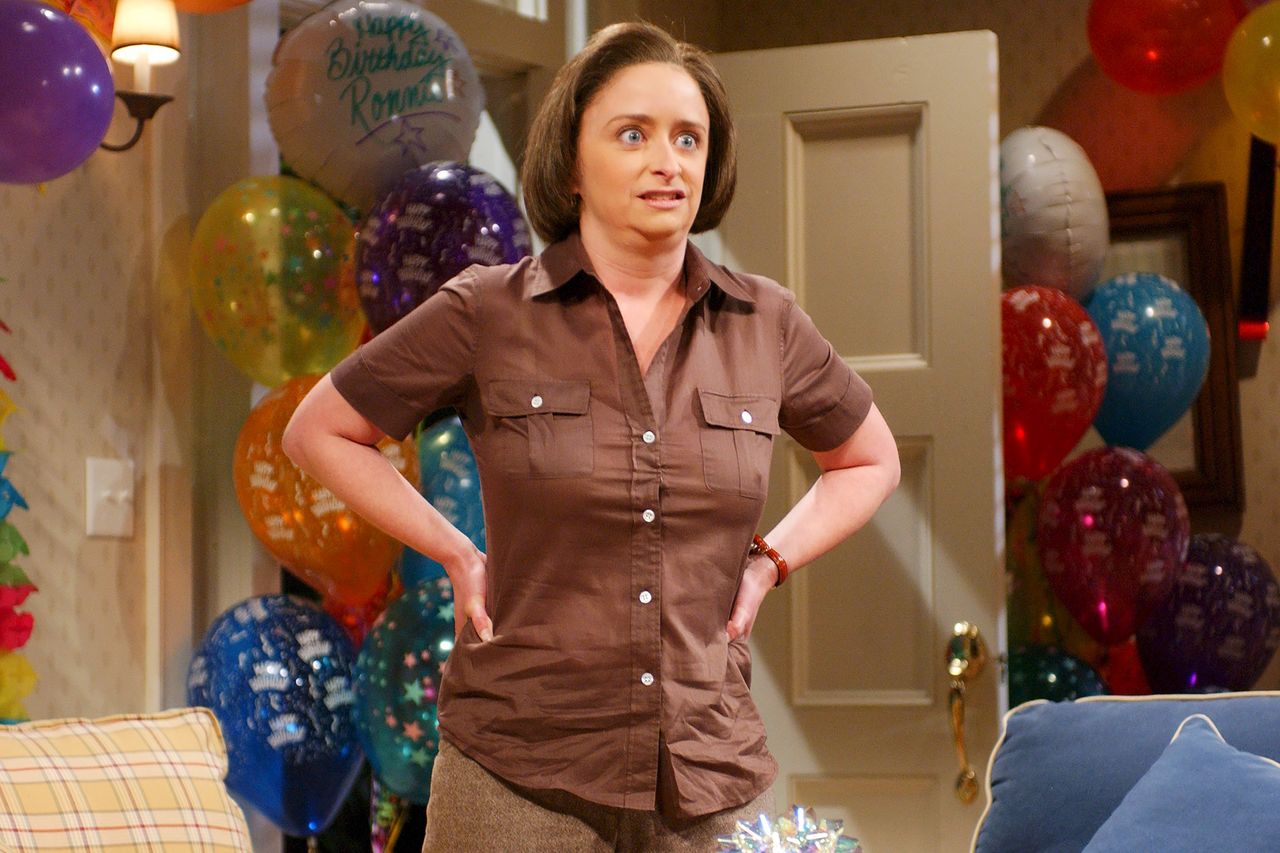
Rachel Dratch on ‘Saturday Night Live’Credit: Dana Edelson/NBCU Photo Bank/NBCUniversal via Getty
Toward the end of her fifth season, Rachel Dratch firmly cemented her name in SNL history thanks to debuting Debbie Downer. Her hilariously flat delivery in bringing up bad news — and bringing down the mood — made for comedy gold. But it wasn’t just the audience cracking up — that first Debbie Downer sketch shows the whole cast breaking character, with Jimmy Fallon and Horatio Sanz devolving into tearful laughter.
While Debbie Downer is her highlight, it’s only the tip of the iceberg when it comes to Dratch’s talent. One of the most underrated cast members during the show’s early-2000s seasons, Dratch rarely played the archetypical “straight woman” role reacting to the nonsense around her. She was the nonsense, playing brilliantly off her scene partners like Fallon as a pair of rowdy Boston teens or with Will Ferrell as the “Love-ahs.” —K.J.
06 of 30
Chris Parnell (8 seasons; 1998–2006)
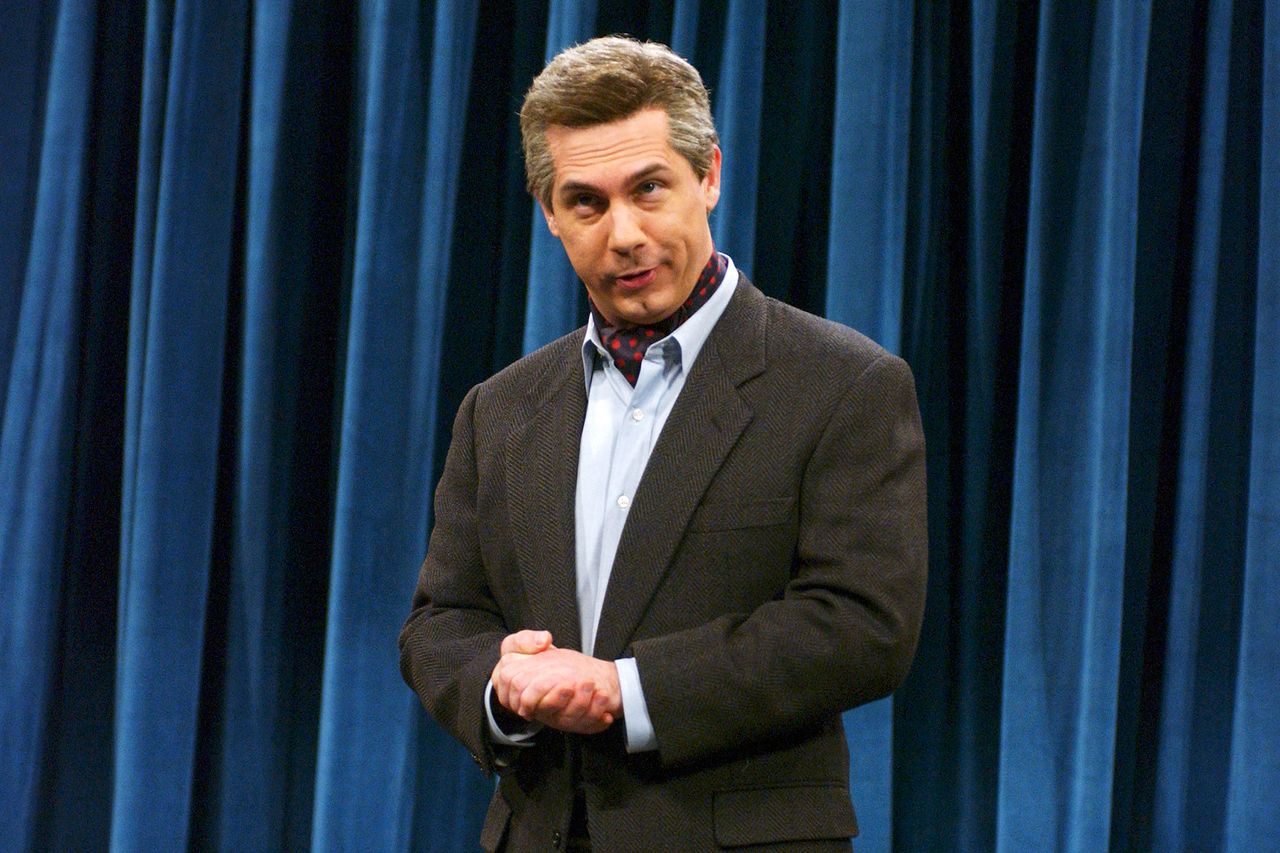
Chris Parnell on ‘Saturday Night Live’Credit: Dana Edelson/NBCU Photo Bank/NBCUniversal via Getty Images via Getty Images
Can you really be called one of the best cast members of all time if you were fired twice during your tenure on Saturday Night Live? If you’re bulletproof Everyman Chris Parnell you can. Possessed of a sonorous performer’s cadence that could switch registers from smarmy to silky as the sketch demanded, Parnell was the definition of the all-star utility player during his time on the show. Able to essay deadpan commercial pitchmen like Phil Hartman, plumb the depths of deliberately irritating weirdos like Will Forte, and anchor any number of quiz, talk, and news shows, Parnell had a sly, gleaming look in his eyes that suggested a lot more strangeness than his placid outer shell promised.
Like all undervalued utility players, Parnell found himself getting laid off by Lorne Michaels due to budget cuts not once, but twice, in 2001 and 2006. Parnell’s pitch-perfect performing composure is in full evidence in the 2013 sketch, “Centaur Job Interview,” where the eminently sensible centaur (Parnell, in half-horse prosthetic) patiently answers every invasively elaborate question Christopher Walken‘s interview can come up with. Still, the stalwart Parnell shone in his roles, no matter the size, and his invaluable comic presence served him well afterward, with Tina Fey remembering her SNL colleague for the scene-stealing role of Dr. Leo Spaceman on her series 30 Rock. Every team needs the perfect situational player off the bench, and Parnell was it, without question. —Dennis Perkins
07 of 30
Jason Sudeikis (9 seasons; 2005–2013)
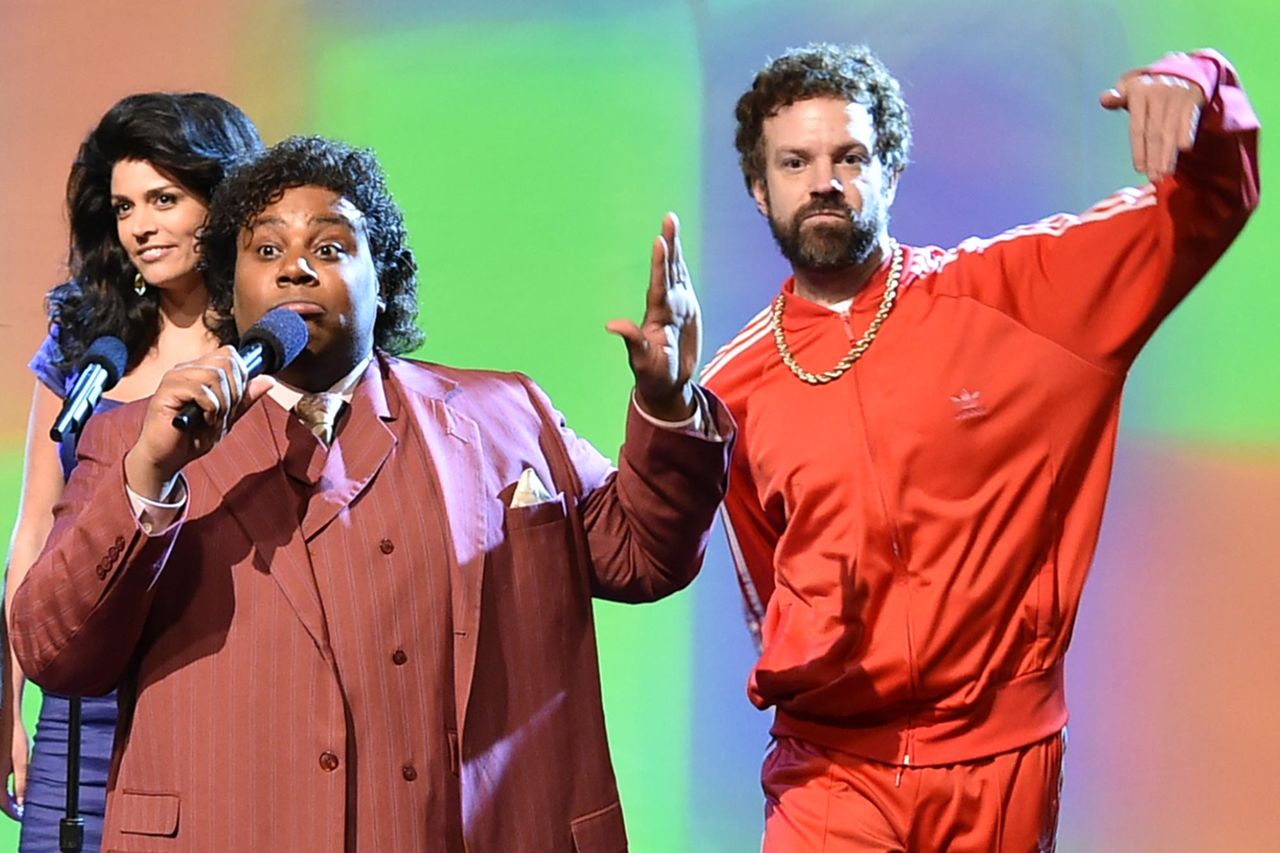
Cecily Strong, Kenan Thompson, and Jason Sudeikis on ‘Saturday Night Live’Credit: Theo Wargo/NBCU Photo Bank/NBCUniversal via Getty Images
There have been a fair number of Satans in Saturday Night Live history, but none so captured the essence as a performer than Jason Sudeikis‘ affably sinister prince of darkness. With his unassuming Midwestern handsomeness, Sudeikis threatens to get lost in the shuffle of blandly handsome SNL white guys — until he doesn’t. Recurring character Satan breezily explains all the delightful torments he’s proudest of (“Hey, d’you get that rash I sent you?,” he asks anchor Seth Meyers happily at one point), while ultimately taking offense at something deviously evil we humans have done, his Devil’s “what you see is what you get” assholery coming off, in Sudeikis’ hands, as irresistibly preferable in comparison.
While gamely playing the many comedy Everyman roles his general appearance and demeanor suggest him for, Sudeikis loved leaning into the strange as much as costars Will Forte, Fred Armisen, and Andy Samberg traditionally did, his grinning cheekiness putting his own unique spin on the proceedings. As an impressionist, Sudeikis remains the best Joe Biden, his white-toothed bluffness and occasional rambling a soul-match for the career politician and future president, while his riffing with Kristen Wiig as the gum-chewing “Two A-Holes“ mined Sudeikis’ sinister charm for huge, consistent laughs. In stacked and varied casts during his time on the show, Sudeikis more than held his own, displaying a star wattage (even while playing a dancing sidekick) that’s gone on to serve him especially well since leaving in 2013. —D.P.
08 of 30
Aidy Bryant (10 seasons; 2012–2022)
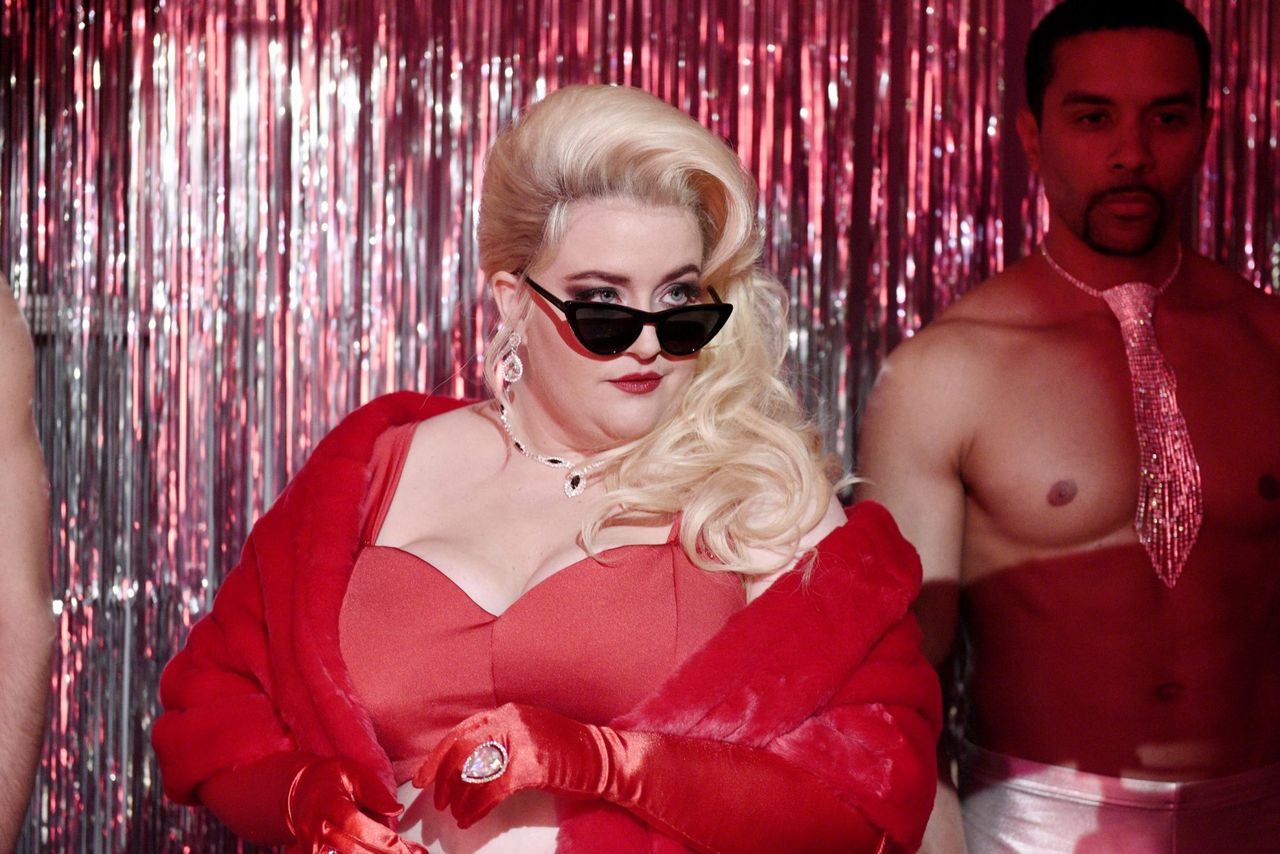
Aidy Bryant on ‘Saturday Night Live’Credit: Rosalind O'Connor/NBC/NBCU Photo Bank via Getty Images
Bold, bubbly, and brilliantly adaptable, Aidy Bryant joined Cecily Strong and Kate McKinnon to form an unbeatable SNL trio during their time together. Blessed with a fearsome theatricality and a sweetly silly demeanor, Bryant slipped assuredly into every role with an infectious energy and a mischievous glint. While an expert at playing insecure teens and tweens with a delicate comic sensitivity, Bryant clearly relished knocking broader characters into the cheap seats, whether playing Tinker Bell’s crude bruiser of a sister or belting out the self-penned waterbed store jingle her proprietor husband had to constantly explain away.
One of Bryant’s most hilarious and affecting outings was as herself, writing a romantic sketch for two with dashing host Oscar Isaac: Bryant’s self-deprecating nature emerged in Isaac’s awkward but passionate wooing as he praised how much spaghetti she could eat and how she was “the most under-25 woman he’s ever met.” She and McKinnon were a can’t-miss team, their recurring doubles act as an ever-changing pair of glassy-eyed pitch-people for outlandish and ill-considered products and venues highlighting Bryant’s brilliance at matching her costars’ energy. —D.P.
09 of 30
Fred Armisen (11 seasons; 2002–2013)
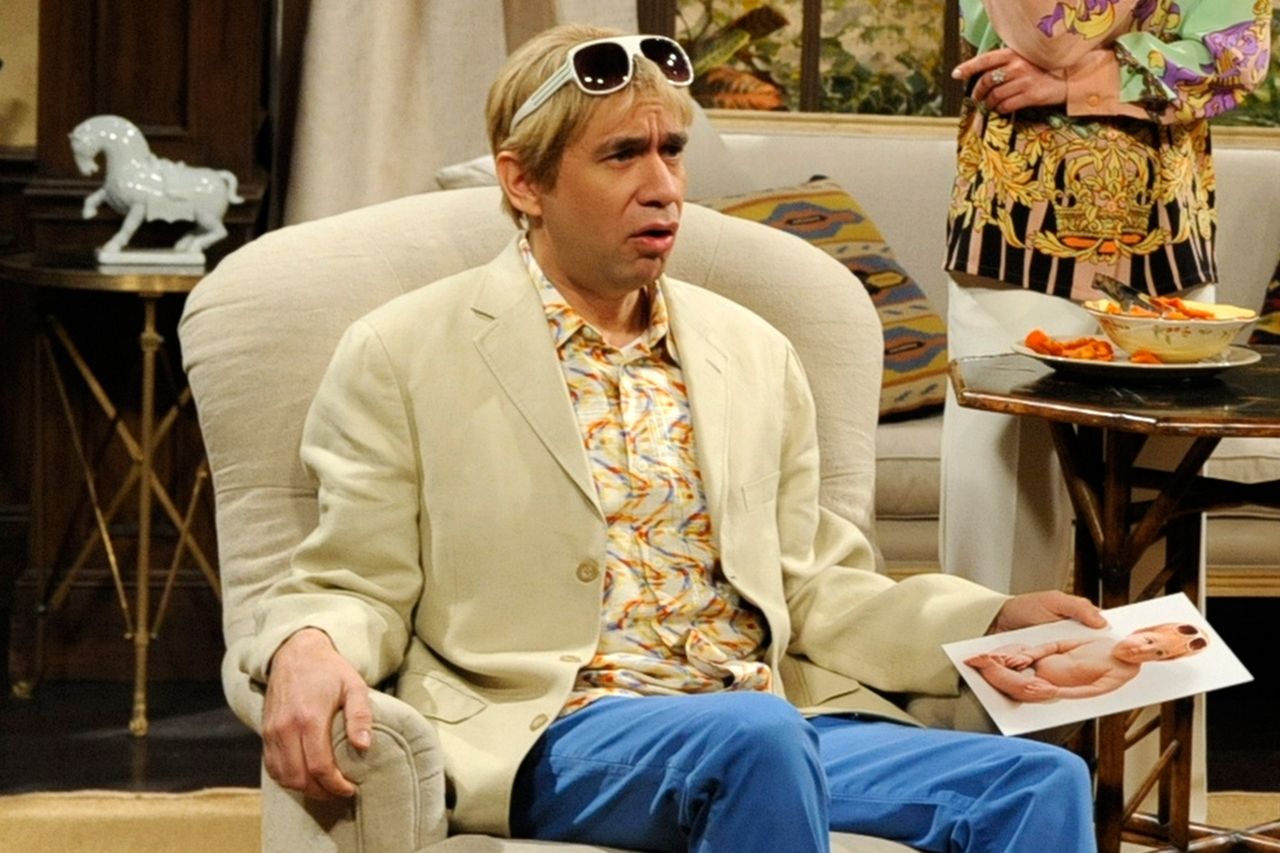
Fred Armisen on ‘Saturday Night Live’Credit: Dana Edelson/NBCU Photo Bank/NBCUniversal via Getty Images
Like costar Maya Rudolph, Fred Armisen is a comedy multi-instrument, his real-life musical talents combining with a limitless desire to channel his inner weirdness. A Fred Armisen sketch was often an exercise in escalating irritation, a comedy of manners where his character’s out-there nature disrupted audience comfort and expectation. Chameleonic in appearance and manner, Armisen could play it straight as well, but is best known for characterizations that skirt insufferableness, often to the point where the premise circles around again to begrudging hilarity.
Often centered on various unprofitable segments of the entertainment industry, Armisen’s best-known characters deconstruct the whole idea of performance as adopted personality, with that distinction bleeding into viewer perception of the drolly deadpan Armisen himself. Characters like Garth, the improvisational singer alongside Kristen Wiig’s Kat, pushed the duo’s self-impressed, deliberately off-putting schtick to viewer limits, and beyond. In one of the most divisive recurring sketches in SNL history, Armisen’s Stuart in “The Californians” joined his castmates in parodying soap opera mugging (and inexplicable obsession with driving directions) to a similar tolerance test. —D.P.
10 of 30
Cecily Strong (11 seasons; 2012–2022)
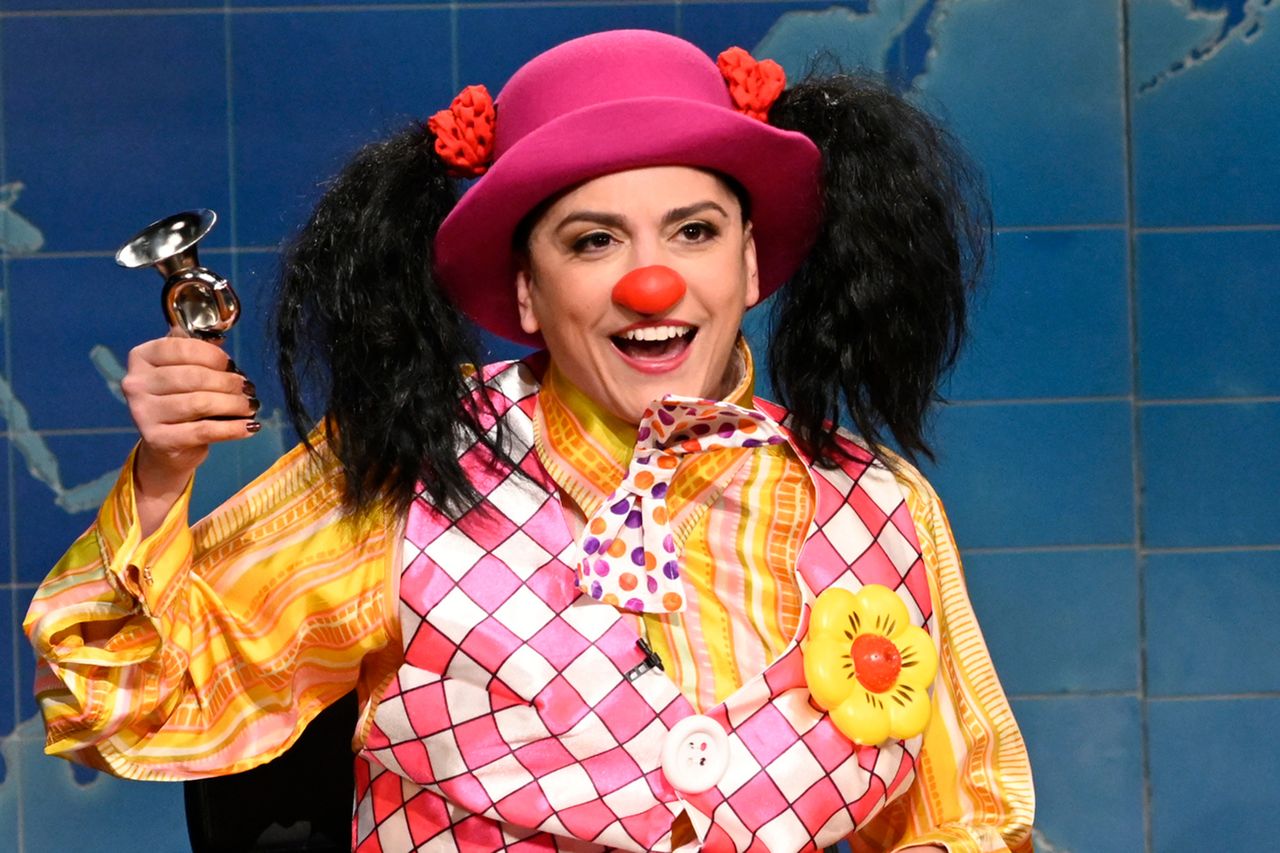
Cecily Strong on ‘Saturday Night Live’Credit: Will Heath/NBC
Viewers were spoiled for a decade by the presence of inseparable comedy partners Cecily Strong, Aidy Bryant, and Kate McKinnon. Strong had all the tools: a remarkable and versatile singing voice, impeccable acting chops, and a love of the belly laugh spotlight unrivaled even by her illustrious pals. Toss in an uncanny ability to channel some singularly unique celebrity voices and mannerisms (Maine Senator Susan Collins, Fox News host Jeanine Pirro, Senate independent Kyrsten Sinema), and Strong remains one of the most multi-talented women in the show’s history — and also its longest-running female cast member.
Strong also had a talent for the all-important Weekend Update featured commentator, traditionally an exercise in seizing upon one trait and mining it for every laugh available. Nobody did it better than Strong when portraying the self-important, barely listening cliché that is the Girl You Wish You Hadn’t Started a Conversation With at a Party, or Heather, the One-Dimensional Female Character from a Male-Driven Comedy, the actor turning types inside out and finding nothing but insightful laughs. Her turn as Goober the Clown, telling Strong’s own story about her abortion while wearing a red nose and honking a bicycle horn, is an all-time Update classic, a melding of vital political discourse with bracing silliness that will be shown forever. —D.P.
11 of 30
Molly Shannon (7 seasons; 1995–2001)
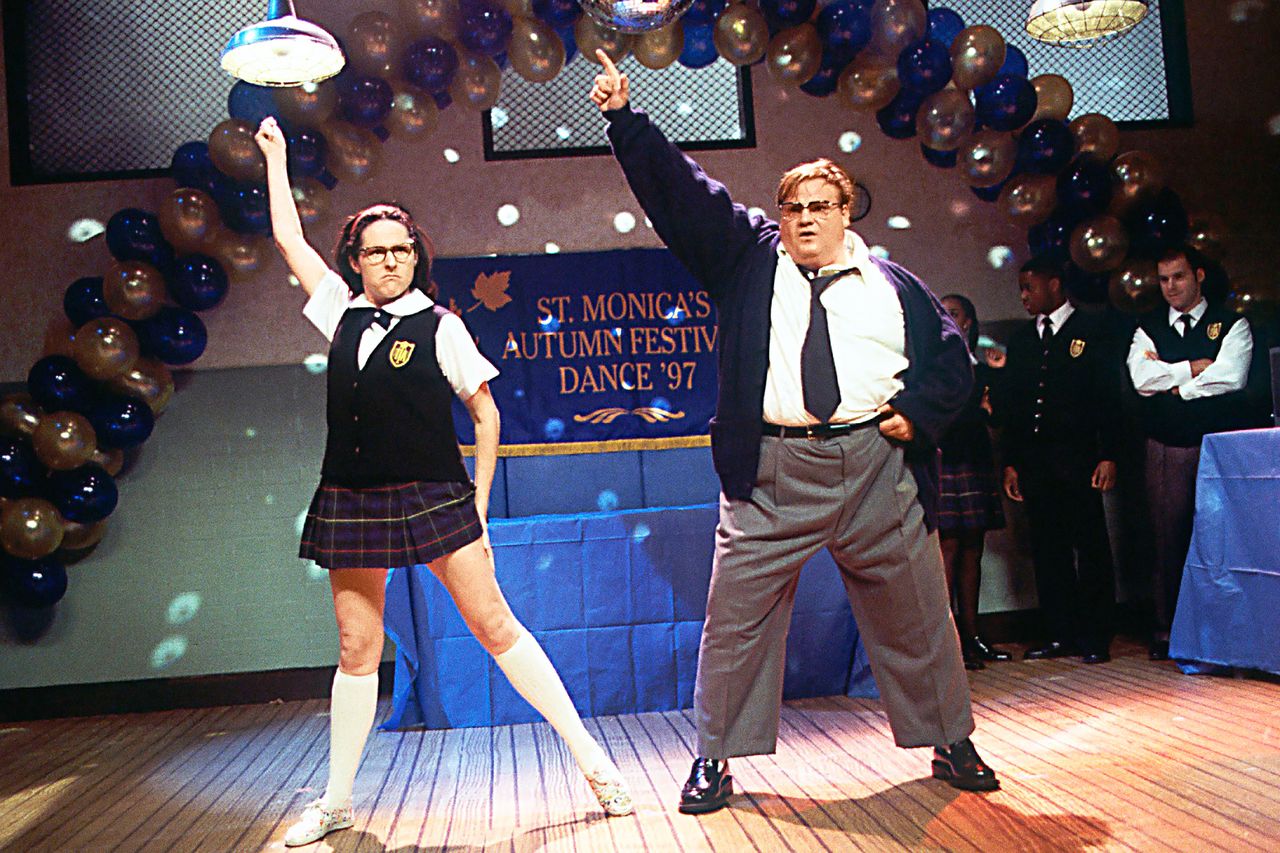
Molly Shannon and Chris Farley on ‘Saturday Night Live’Credit: NBCU Photo Bank/NBCUniversal via Getty
SNL has long been a welcoming home for misfit characters, and Molly Shannon nearly perfected the art of the overeager oddball. Case in point: Mary Katherine Gallagher, the mercurial Catholic schoolgirl who declares herself a “superstar” and has a rather unfortunate habit of sniffing her armpits when nervous. Shannon’s seemingly endless reserve of energy was best utilized in sketches heavy on physical comedy, such as her recurring Sally “I’m FIFTY!” O’Malley, a 50-year-old dancer who loves to demonstrate her ability to kick and stretch.
While SNL had largely been a boys’ club into the ‘90s, Shannon’s presence was an exuberant, desperately needed breath of fresh air. Her versatility as a performer laid the groundwork for future legends like Amy Poehler, Kristen Wiig, and Kate McKinnon to embrace their own eccentric weirdos. —K.J.
12 of 30
Jan Hooks (5 seasons; 1986–1991)
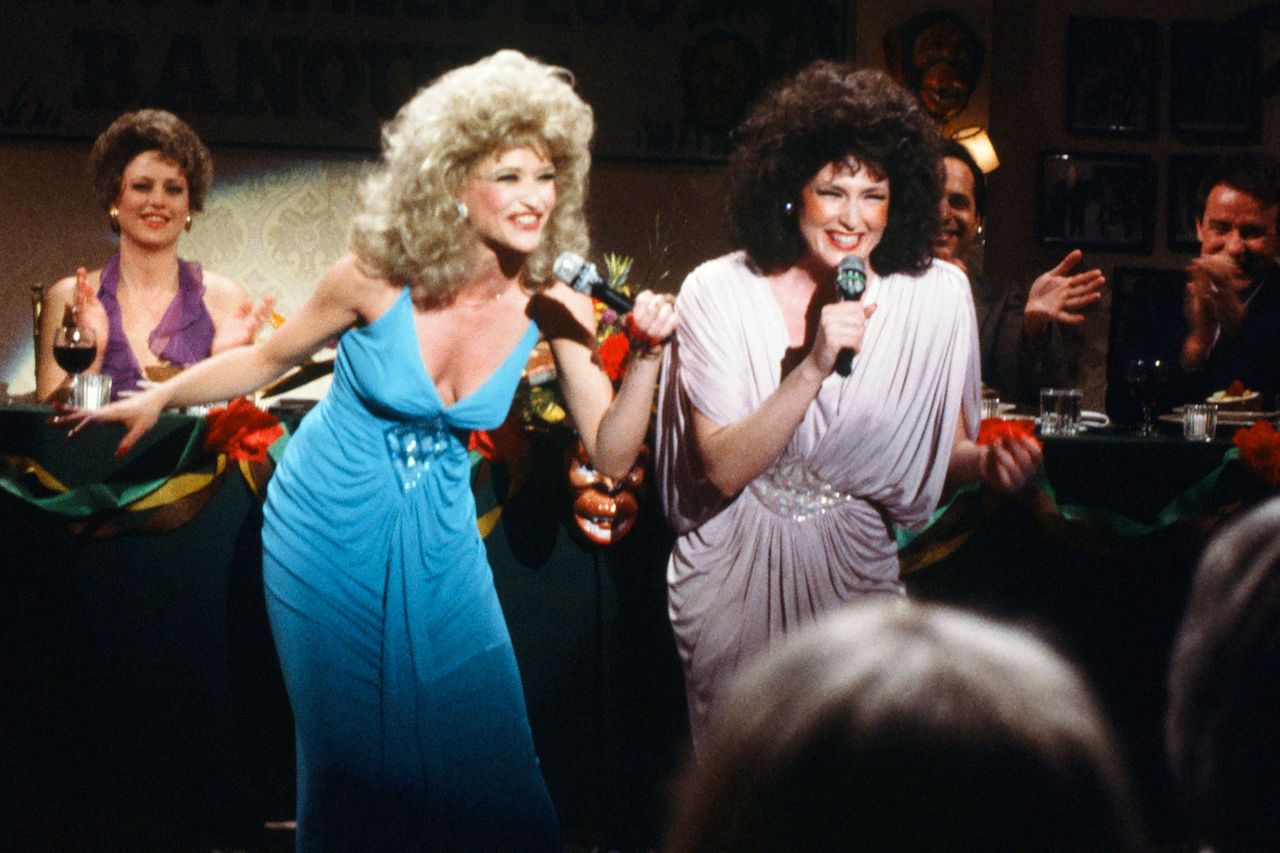
Jan Hooks and Nora Dunn on Saturday Night Live’Credit: Alan Singer/NBCU Photo Bank/NBCUniversal via Getty Images via Getty Images
Now that both participants have passed on, watching the season 14 Schiller’s Reel short film “Love Is a Dream“ is a melancholic but heartwarming watch, with Jan Hooks and Phil Hartman doing a lovely choreographed dance to Bing Crosby’s “The Emperor Waltz.” Often teamed during their overlapping time on SNL, Hooks and Hartman were, indeed, a magnificent match, their offbeat and actorly styles bringing a grounded yet up-for-anything energy. Hooks could go for broke with the best of them, her Sweeney Sisters musical outings alongside Nora Dunn a throwback to Bill Murray‘s Nick the Lounge Singer in the duo’s channeling of over-the-top low-rent showbiz glitz.
But in sketches like 1990’s “Brenda the Waitress,” alongside Alec Baldwin, Hartman, Dunn, and Kevin Nealon, Hooks, as the hard-bitten waitress combatively bantering with Baldwin’s smooth-talking drifter, turned a five-minute SNL sketch into a showcase worthy of Off-Broadway comedy gold. Even when designated as the show’s go-to political wives (playing Betty Ford, Nancy Reagan, Elizabeth Dole, Kitty Dukakis, and Hillary Clinton as the years and elections marched on), Hooks’ consummate dedication to her characterizations made what could have been rote topical sketches into deft and arresting character pieces. —D.P.
13 of 30
Will Forte (8 seasons; 2002–2010)
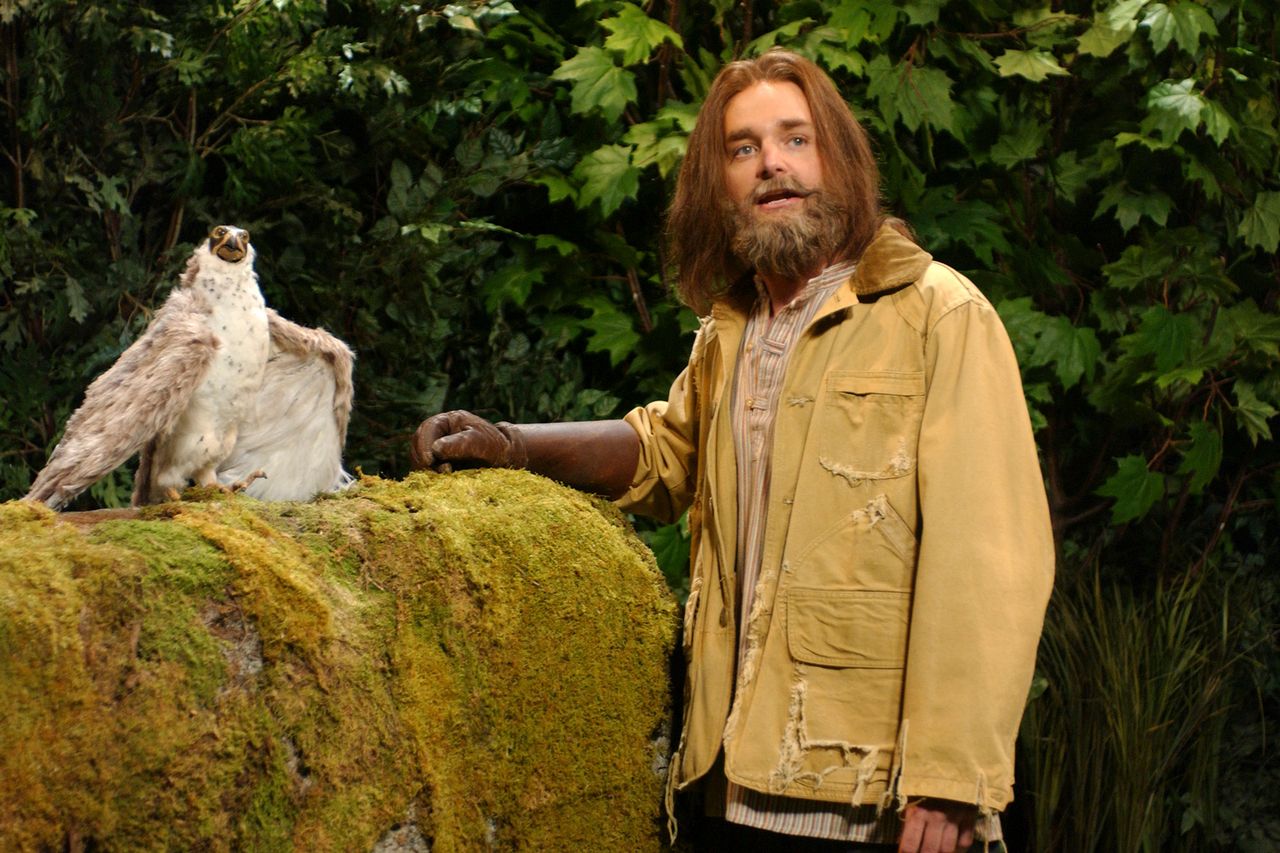
Will Forte on ‘Saturday Night Live’Credit: Dana Edelson/NBCU Photo Bank/NBCUniversal via Getty Images via Getty Images
It’s not that Will Forte wasn’t a valuable and integral part of the ensemble during his eight seasons on the show. It’s more that certain writer-performers are so singular in their comic style and vision that they carve out an easily identifiable yet impossible-to-encapsulate niche that brings a whole other element to the SNL mix. Such is the case with this former Groundling, whose bottomless energy and singular talent for strange and original comedy made it easy to pluck out his material from each week’s lineup. Originally tapped for the unenviable task of taking over as George W. Bush from the departed Will Ferrell, featured player Forte struggled until he became essentially the king of the “10-to-1” sketch, the last piece of the night, where his more outrageous and bizarre ideas could come out to play.
Legendarily teaming with Jason Sudeikis for the equal-parts baffling and uproarious “Potato Chip“ sketch, where the two equally committed actors build up a jaw-dropping head of steam as two men arguing over whether or not one has stolen a single piece of snack food, Forte’s peculiar imagination also brought us “the Falconer,” where his outdoorsman’s peril is constantly sidetracked by increasingly oddball adventures of his puppet falcon, Donald; and his recurring character MacGruber, a knockabout parody of TV’s MacGyver, whose personal insecurities invariably doom everyone in sight. No one could hold the camera’s gaze as wildly and fearlessly as Forte, the outsized yet contained madness of his characters courting audience confusion as much as laughter. —D.P.
14 of 30
Darrell Hammond (14 seasons; 1995–2009)
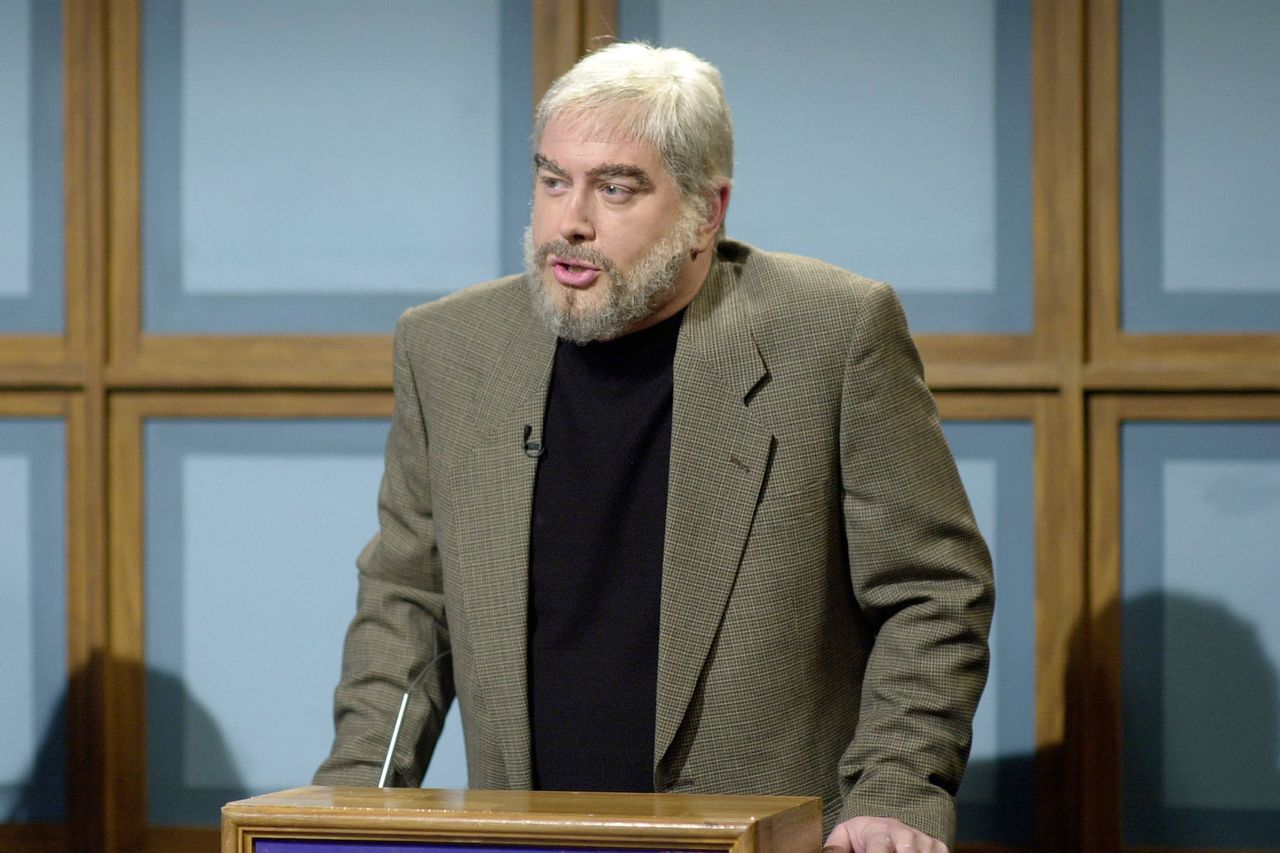
Darrell Hammond on ‘Saturday Night Live’Credit: Dana Edelson/NBCU Photo Bank/NBCUniversal via Getty Images
The consummate impressionist technician, Hammond came to Saturday Night Live and became the show’s premiere celebrity impersonator for more than a decade. Being older than his castmates and beset with myriad psychological issues (as outlined feelingly in his harrowing memoir, God, If You’re Not Up There, I’m F***ed) left Hammond somewhat isolated in his impersonations role, although he was certainly a valuable asset in non-impression sketches. Still, Hammond was astoundingly accomplished, his precise yet lived-in approximations of figures as varied as Regis Philbin, Al Gore, Donald Trump, Phil Donahue, Chris Matthews, John Travolta, and more genuinely marvelous.
Others, like his irascible Celebrity Jeopardy standout Sean Connery, are the uncanny product of masterful tinkering, with Hammond eventually stretching the real and the perceived into a shape as recognizable as the actual figure himself. Of course, a presidential impression is money in the bank for an SNL star, and Hammond’s Bill Clinton is both more precise and more subtly heightened than even Phil Hartman’s, with Hammond also scoring big by aping perennial public figures like Gore, Dick Cheney, and John McCain, all impressions with a high degree of difficulty. Leaving the show in 2009, Hammond has found his way back to Studio 8H as the replacement for the legendary announcer Don Pardo, who died in 2014. Naturally, during the waning years of Pardo’s reign, that was Hammond’s voice subbing in, without anyone being the wiser. —D.P.
15 of 30
Adam Sandler (5 seasons; 1991–1995)
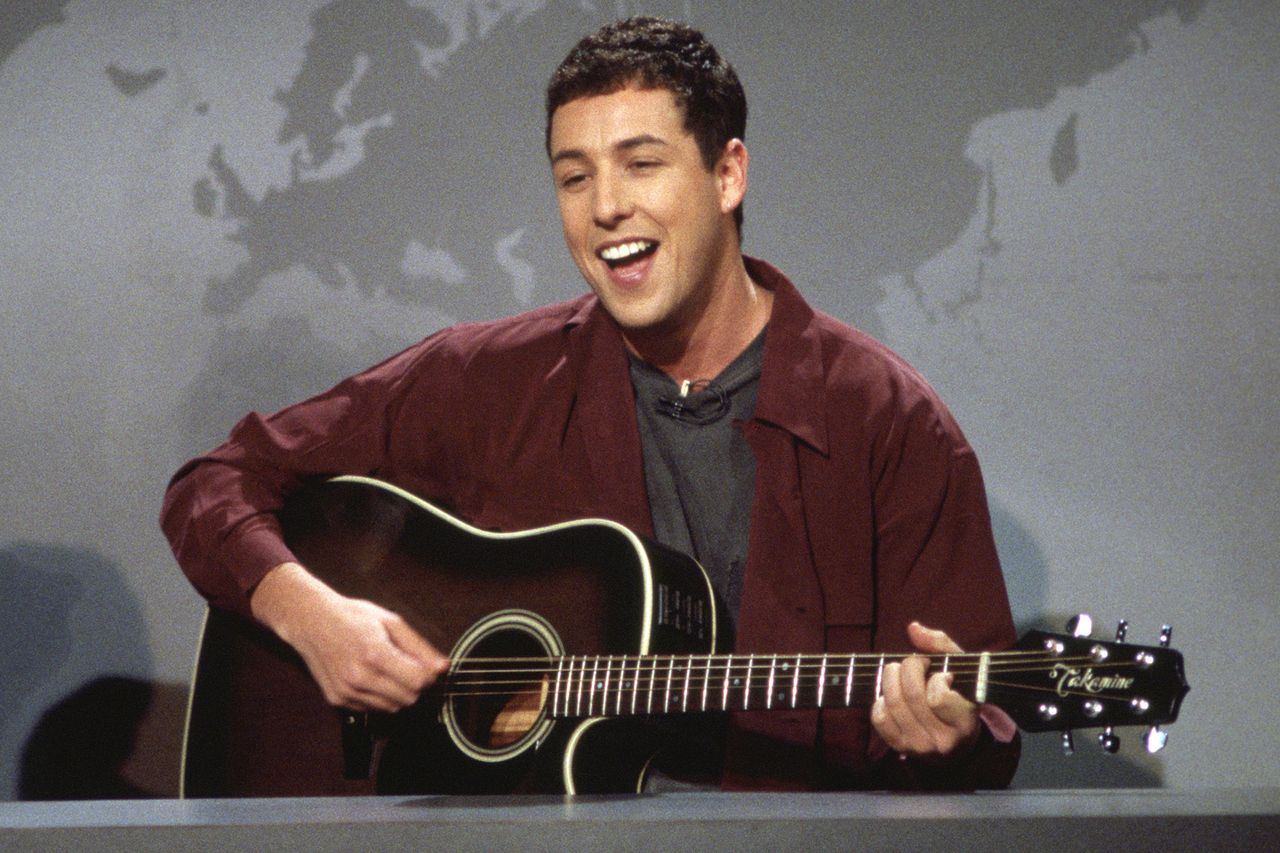
Adam Sandler on ‘Saturday Night Live’Credit: Alan Singer/NBCU Photo Bank/NBCUniversal/Getty
In the comprehensive oral history of the show, Live From New York, former SNL writer and subsequent sketch comedy and dramatic superstar Bob Odenkirk said, not unkindly, of Adam Sandler‘s comic style on Saturday Night Live, “I think Sandler really seemed to take everybody by surprise. I mean, the things that Adam was doing were so sort of inconsequential — silly songs and just like basically dicking around, you know.” And, indeed, Sandler’s stardom came on the back of him dicking around with funny voices, childish characters, and sketches surrounding both. Recurring bits like Opera Man, where Sandler, draped in a cape, regaled Weekend Update with off-key, operatic renditions of the news of the day, weren’t exactly tight political satire. But audiences gravitated to the young comic in droves, with Sandler’s star rising the more airtime he got to take his performance-based silliness to even goofier heights.
During Sandler’s tenure, SNL infamously put out a best-of tape called The Bad Boys of SNL, highlighting the brash and often juvenile stylings of pals Sandler, Chris Farley, Chris Rock, and David Spade, among others, and, indeed, Saturday Night Live, for a time, became very much the high school boys locker room many of its critics had called it over the years. Sandler and Farley, while both still incredibly popular with audiences, were eventually fired in 1995 by Michaels, who was stung by the criticism. But both performers rode their SNL success to Hollywood superstardom, in turn validating the audience’s appetite for inspired silliness and knock-down, drag-out belly-laughs. —D.P.
16 of 30
Advertisement
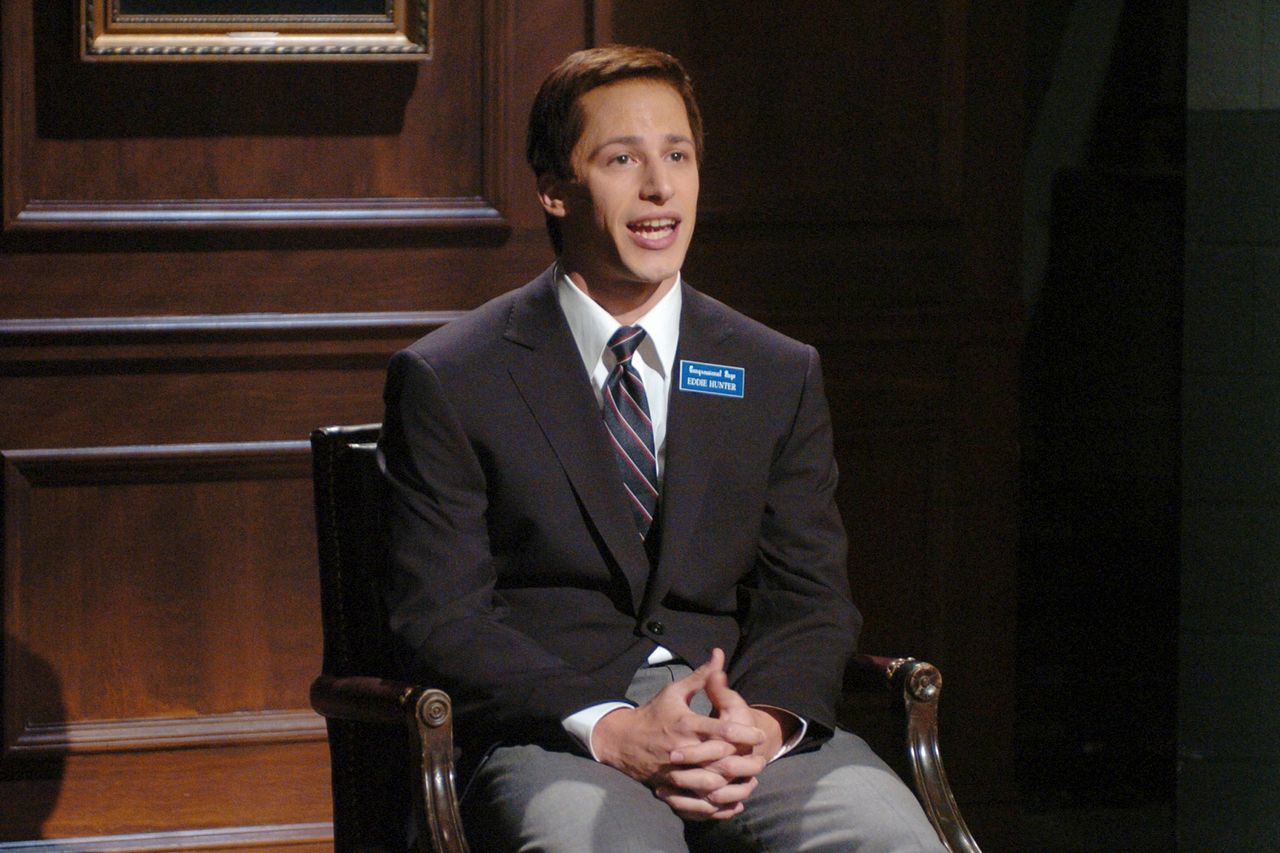
Andy Samberg (7 seasons; 2005–2012)
Andy Samberg on ‘Saturday Night Live’Credit: Dana Edelson/NBCU Photo Bank/NBCUniversal via Getty Images
It’s not every cast member who can claim their work both reinvigorated the show and introduced it to an entirely new audience, but Andy Samberg can. Filmed pieces have always been part of SNL‘s DNA, but when Samberg and his Lonely Island comedy partners Akiva Schaffer and Jorma Taccone made their mark with the trio’s Digital Shorts, it was truly one of the major landmarks for the show. When one of their earliest videos, the incongruously energetic rap between straitlaced white guys Samberg and Chris Parnell, “Lazy Sunday,” became a runaway smash on the then-nascent YouTube, it vaulted the Lonely Island guys onto what was their own fiefdom inside of SNL.
Inexpensive to produce (their first, the lo-fi and bizarrely brilliant “Lettuce,” reportedly cost $20) and consistently fresh and hilariously strange, the trio’s Digital Shorts became a mainstay on the program, even as Samberg flourished as a live sketch performer. (Meanwhile, NBC, in its rush to quash a good thing, initially sued to take down “Lazy Sunday,” only later recognizing that uploading sketches to YouTube was an untapped gold mine.) Samberg on live TV was an irrepressible mix of rubber-faced energy and utter commitment to the bit, with a sideline in creditable impressions, such as his uproariously out-of-touch Nicolas Cage, who repeatedly appeared on Weekend Update to suggest that his actual life mirrors the outlandishly awesome nature of his films.
Samberg came back to SNL as a recurring guest in its 50th season, playing Second Gentleman Doug Emhoff to Maya Rudolph’s Vice President Kamala Harris. Along with Samberg’s welcome presence in live sketches again, Lonely Island’s Digital Shorts returned (including “Here I Go,” featuring Charli XCX), familiarly amassing millions of views on YouTube. —D.P.
17 of 30
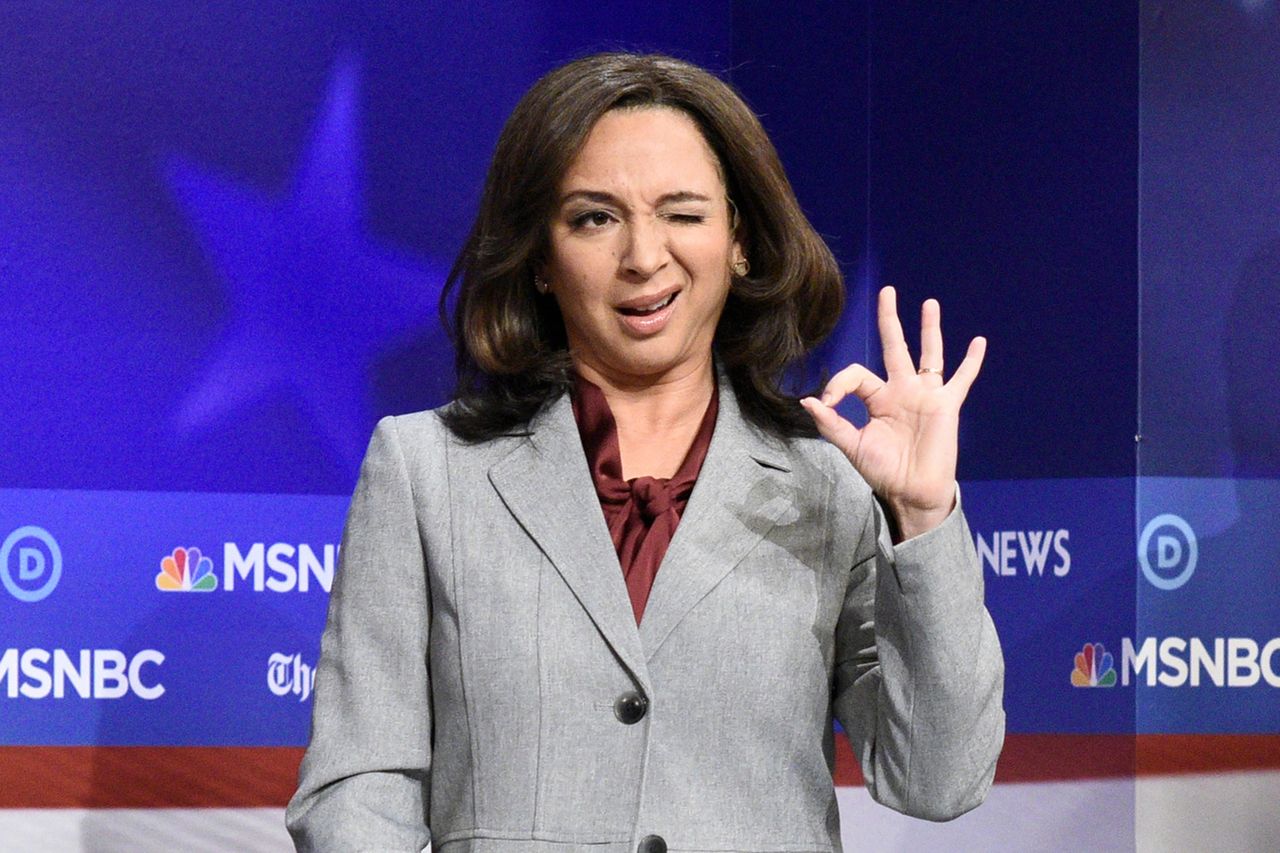
Maya Rudolph (9 seasons; 2000–2007)
Maya Rudolph on ‘Saturday Night Live’Credit: Will Heath/NBC/NBCU Photo Bank via Getty Images
As multifaceted a talent as has ever been on SNL, Rudolph brought consummate showmanship along with stellar musical comedy chops (her mom was singing legend Minnie Ripperton) and a mobile, chameleonic physicality to her time on the show. She could go big and brassy as a boisterous Oprah or spaced out and crooning Whitney Houston. She teamed perfectly with fellow female powerhouses Amy Poehler, Kristen Wiig, Ana Gasteyer, Rachel Dratch, and Tina Fey to carry the single most impressive women-led cast in the show’s history.
Rudolph — who appeared in three episodes of the 1999–2000 season before starring in seven full seasons and sticking around for a few episodes of the 2007–2008 season — donned innumerable wigs and accents to kill it as everyone from Italian American housewives to Liza Minnelli, and Beyoncé to Michelle Obama, all while lending each characterization a lived-in substance that was funny from the inside out. Another cast member like Hartman or Bill Hader who provided a reliably hilarious center to countless sketches, Maya Rudolph has found a second wind of appreciation in the 2020s with her Emmy-winning stint as Vice President Kamala Harris. —D.P.
18 of 30
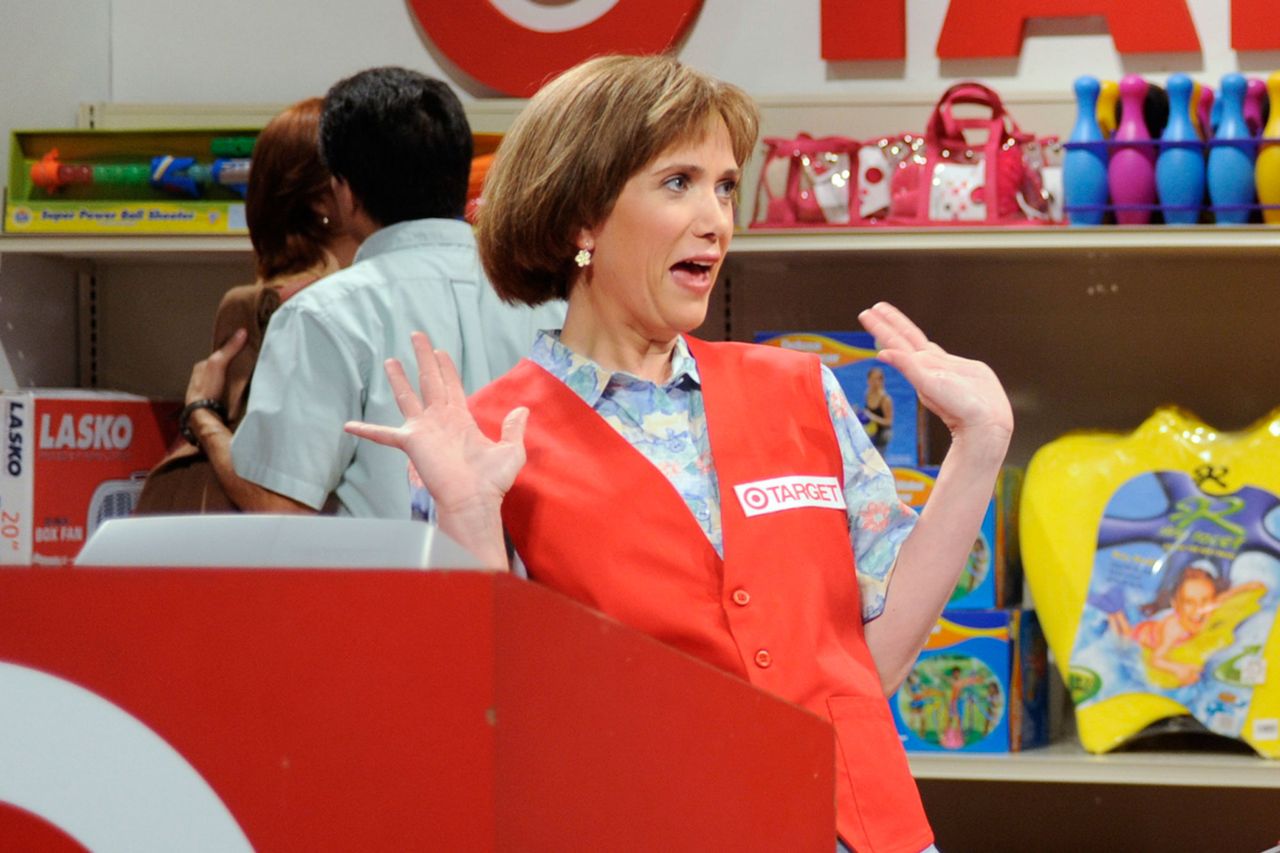
Kristen Wiig (7 seasons; 2005–2012)
Kristen Wiig on ‘Saturday Night Live’Credit: Dana Edelson/NBCU Photo Bank/NBCUniversal via Getty Images
One of the most prolific performers ever when it comes to recurring characters, Kristen Wiig was so ubiquitous during her time on SNL that it’s tempting to discount just how popular and hilarious she was. Certainly, her army of broad, schticky characters (the Target Lady; mischievous grade school oddball Gilly; Dooneese and her baby hands; Aunt Linda and her inability to keep secrets; inept and self-involved game show celebrity Mindy Gracin; perpetual one-upper Penelope; and on and on) were overused, but putting such a bounty of guaranteed successes in front of Lorne Michaels is a recipe for such overexposure.
Apart from churning out the hits, however, Wiig was a fearless and nimble sketch performer and more than capable impressionist, seeing her virtually take over episodes with her sheer range. Even working among very strong casts during her seven seasons on the show, Wiig was a major star. —D.P.
19 of 30
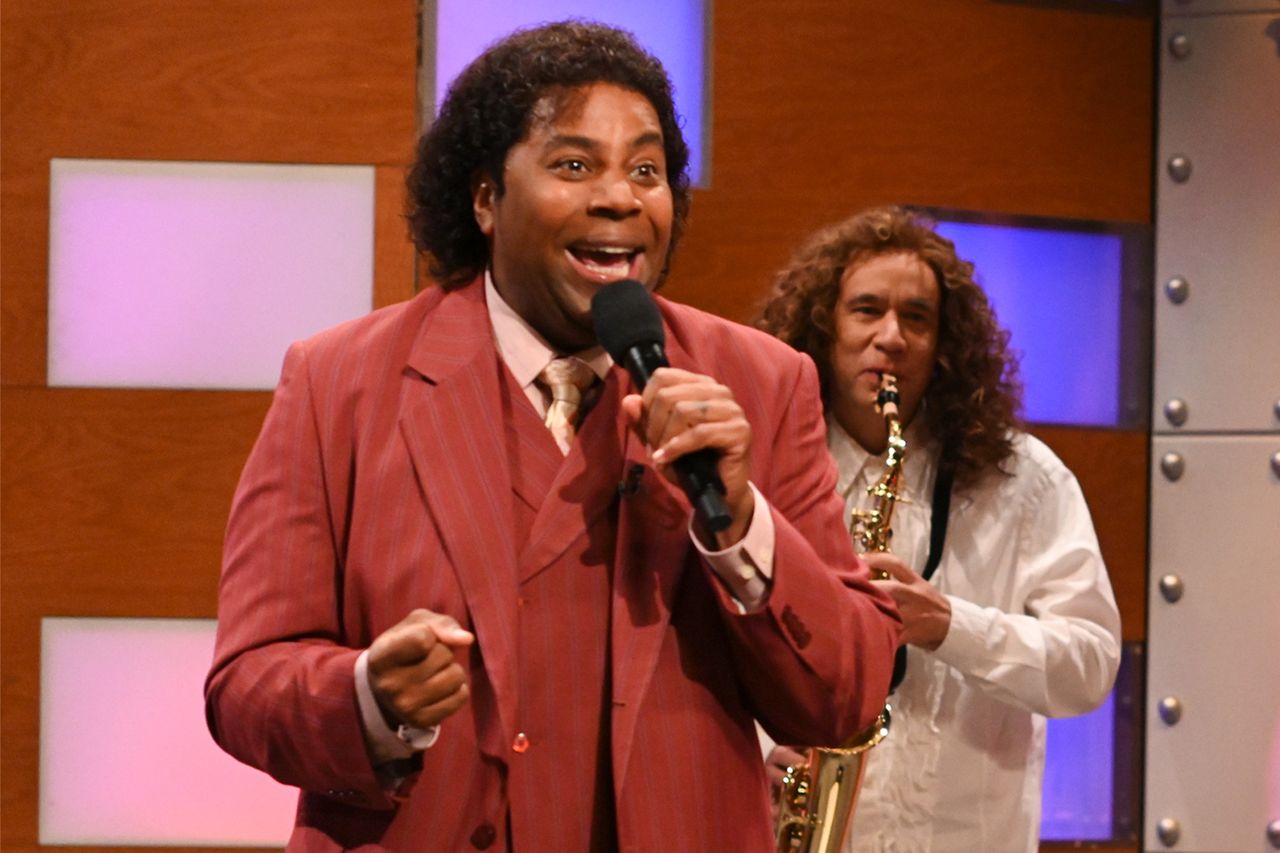
Kenan Thompson (22 seasons and counting; 2003–present)
Kenan Thompson and Fred Armisen on ‘Saturday Night Live’Credit: Will Heath/NBC/NBCU Photo Bank via Getty Images
In the TV and sketch comedy business literally since childhood, it might seem inevitable that former Nickelodeon star Kenan Thompson would wind up on Saturday Night Live as his birthright. But Thompson, the longest-running cast member in SNL history, earned every bit of his undeniable stardom. Genial and boisterous, Thompson has matured into a show-anchoring Everyman, all while mastering a razor-sharp underplaying style that counterbalances his performer’s urge to go big.
SNL traditionally relies on the game show template far too much, but it’s a rare cast member who can turn the thankless host job into something on its own, with Thompson being one of the best at injecting intelligent weirdness into the bit. He can go uproariously big, as with Diondre Cole, host of the talk show “What Up With That?“ where Cole’s inability to abandon his love of the show’s theme song inevitably derails the very real and famous guests from speaking. His Weekend Update favorite Willie, meanwhile, makes the concept of smiling through the unthinkable uniquely funny, with Thompson’s indefatigable charm buoying us as much as poor Willie himself. Thompson has been the Hartman-like glue for innumerable casts over his two-plus decades on the show, his easy professionalism and charisma always being an invaluable asset. —D.P.
20 of 30
Chris Farley (5 seasons; 1990–1995)
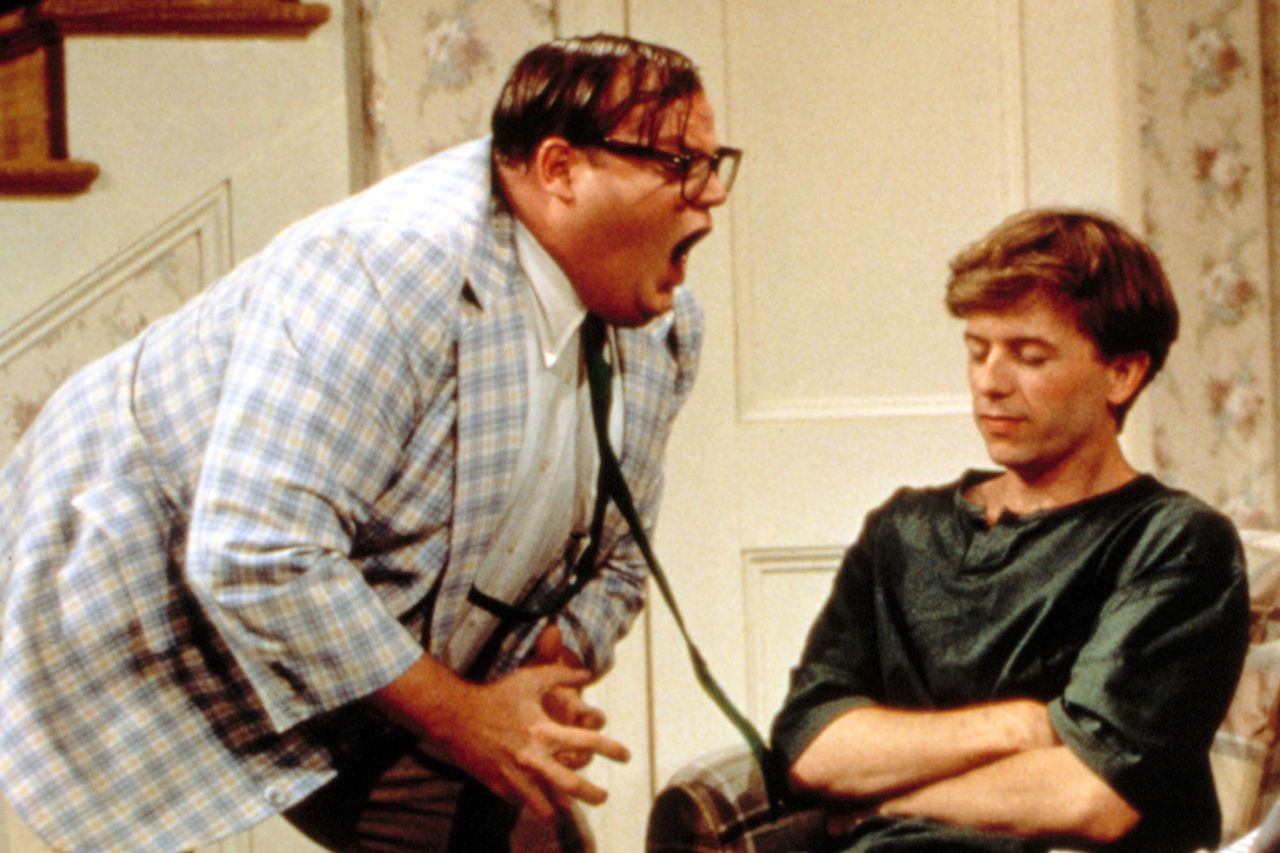
Chris Farley and David Spade on ‘Saturday Night Live’Credit: Everett Collection
In retrospect, one might say that Chris Farley took all the wrong lessons from Saturday Night Live. Growing up idolizing the show and especially original cast member John Belushi, the similarly Chicago-born Farley barreled into Saturday Night Live so amped up with the boisterous comic energy that made him a star at Second City that he promptly turned himself into the SNL wild man of a new generation. And Farley was wild, crashing through tables, cramming himself into ungainly costumes, and going full red-faced dynamo mode all in pursuit of every last laugh in the building. And he got them, with audiences taking to the baby-faced, burly comic with a passion seldom seen before or since.
If, like Sandler’s, Farley’s characters were loud, physical, and silly, the latter also brought along an unconcealable sore of self-doubt and childlike sweetness that could lend even his most over-the-top characterizations a twinge of affecting heartbreak. Farley’s most famous character, the overzealous motivational speaker Matt Foley, roared around his unlucky subjects’ living rooms, his blusterous badgering unable to hide Foley’s own aching awareness that he is, indeed, living in a van down by the river. And in what may be the closest approximation of the real Farley, his terminally awkward celebrity talk show host saw the flustered and sweaty cast member, as himself, simply wanting to ask his illustrious guests if they love the things they’ve done as much as he does. When the guests (namely Paul McCartney and Martin Scorsese) try to calm down the self-loathing host for losing his cool, their soothing assurance that Farley is doing all right comes across as the sort of deeply necessary balm he actually was always looking for. —D.P.
21 of 30
Dana Carvey (7 seasons; 1986–1993)
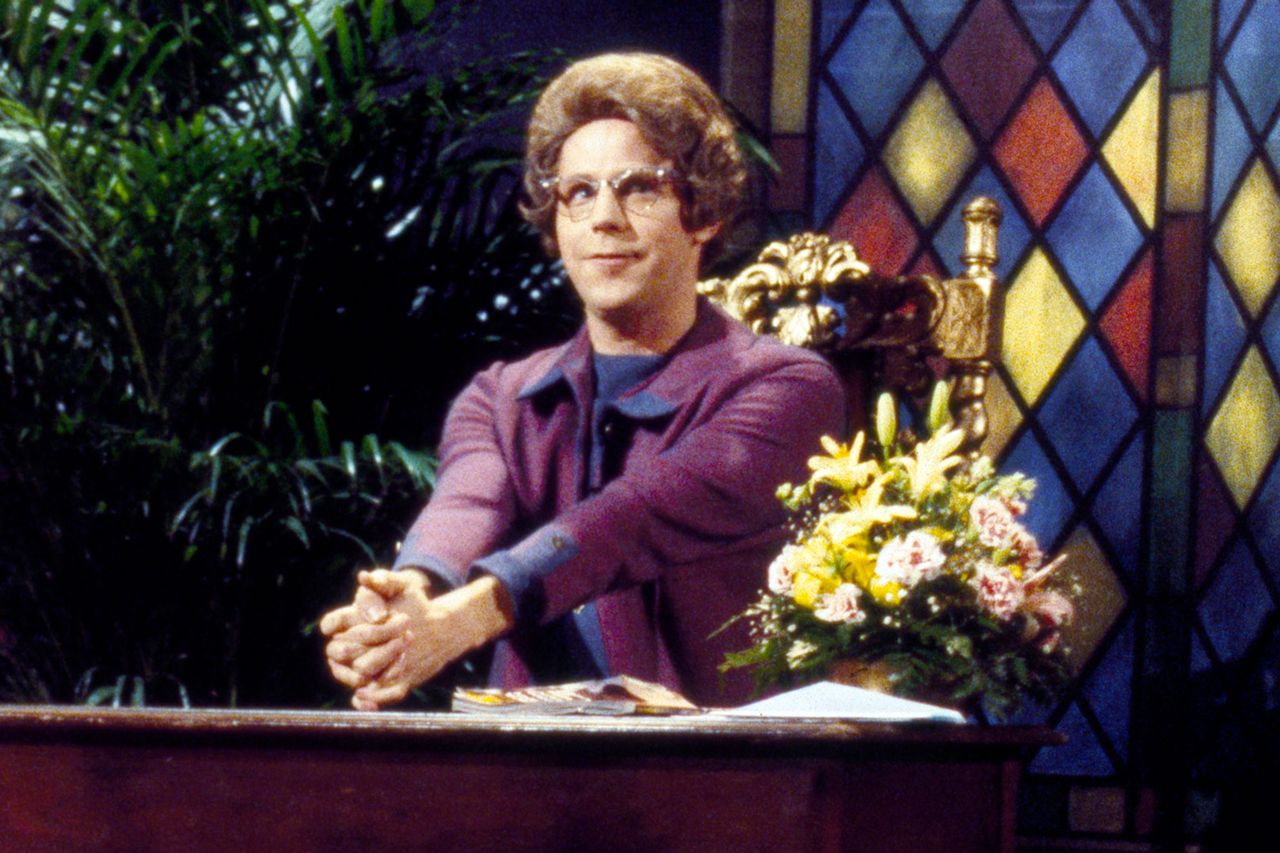
Dana Carvey on ‘Saturday Night Live’Credit: Alan Singer/NBCU Photo Bank/NBCUniversal via Getty Images
Anchoring one of the all-around strongest casts in SNL‘s history, Dana Carvey brought a bewildering array of characters and talents to his time on the show. As an impressionist, Carvey’s style was more, well, impressionist — his gabbling, discursive George H.W. Bush spinning out further and further while remaining resolutely tethered to some measure of loony reality (taking a similar approach for his recent recurring stint as President Joe Biden).
An inveterate performer, Carvey gave off a sense of perpetual people-pleasing, and the results were undeniably popular and hilarious, as the laughs echoed throughout his sketches. His Church Lady is one of the most imitated characters in the show’s history, Carvey’s years-long embellishment of scornful religious zealousness an indelible highlight. One of the few performers to ever overcome Lorne Michaels’ restrictions on ad-libbing, Carvey’s characters often sputtered and dithered so endearingly that his Paul McCartney or Ross Perot might overstay their allotted time, the audience’s delighted response taking the edge of Michaels’ irritation at his show timings being thrown off. —D.P.
22 of 30
Kate McKinnon (11 seasons; 2012–2022)
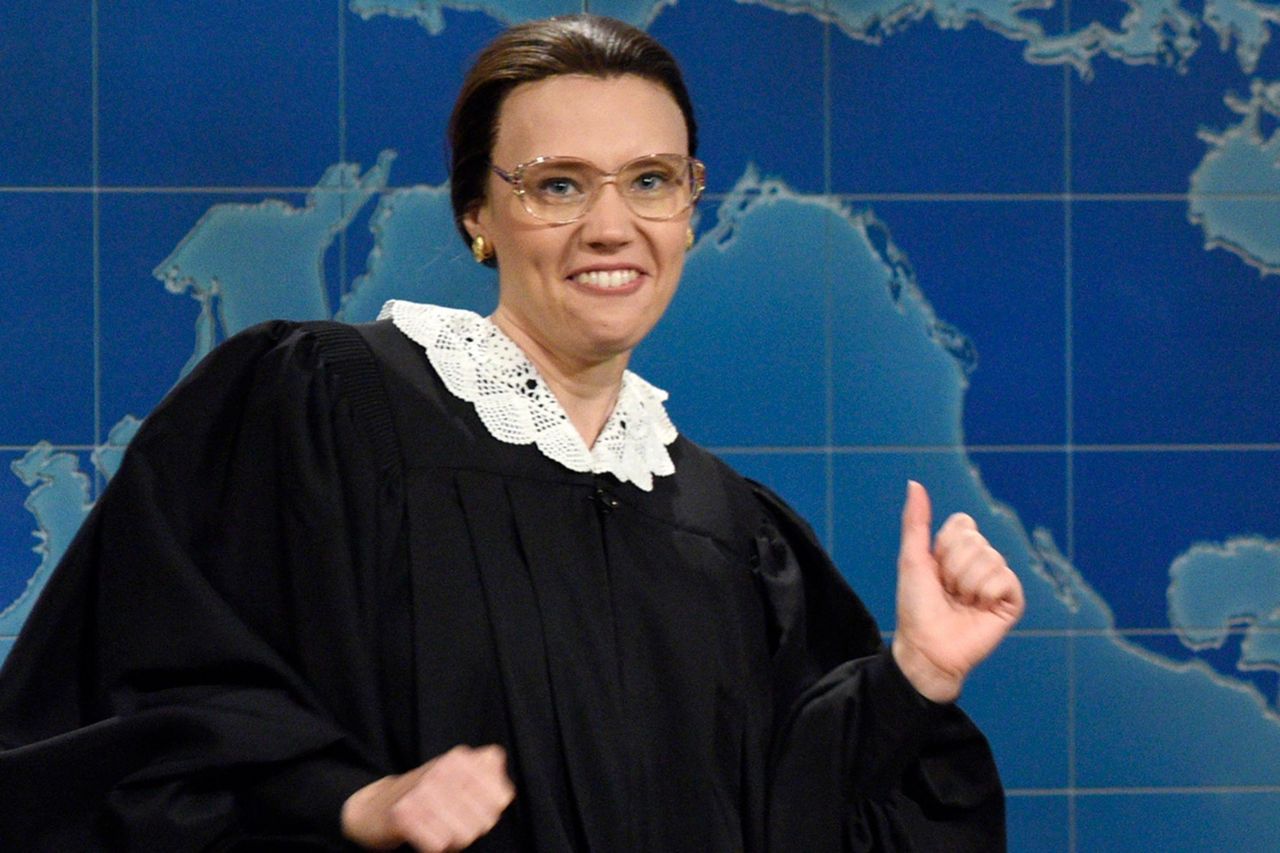
Kate McKinnon on ‘Saturday Night Live’Credit: Will Heath/NBC
A comedy powerhouse in a precise, petite package, Kate McKinnon was the unquestioned centerpiece of Saturday Night Live for most of her decade-plus on the show. Sometimes, stars on SNL are born of effortful attention-seeking. Other times, you get Kate McKinnon, whose multifaceted talents simply expanded to fill out the show until she was the focal point for sketch after sketch. Although possessed of more political and celebrity impressions than almost anyone, McKinnon’s talents were never as much in verisimilitude as attitude, an unblinking channeling of character and moment that captured an individual as well as any expert impersonator.
Like any SNL star worth their airtime, McKinnon fashioned big, brassy characters for herself, from decrepit but plugging-away barfly Sheila Sauvage, and battered Hollywood trouper Debette Goldry, whose harrowing tales of old-timey sexism and abuse invariably shock present-day actresses into appalled admiration. Massive laugh-getters like Colleen Rafferty — whose unflappable response to the undignified alien abductions she’s subjected to — gave McKinnon license to be as knowingly gross as she wanted to be, while her political impressions (often as male members of the first Trump administration and, of course, Ruth Bader Ginsburg) gave her a chance to be bitingly topical and deeply silly all at once. Teaming with stellar castmates like Cecily Strong and Aidy Bryant was a constant and reliable recipe for excellence, with McKinnon proving an invaluable team player as well as a solo standout. —D.P.
23 of 30
John Belushi (4 seasons; 1975–1979)
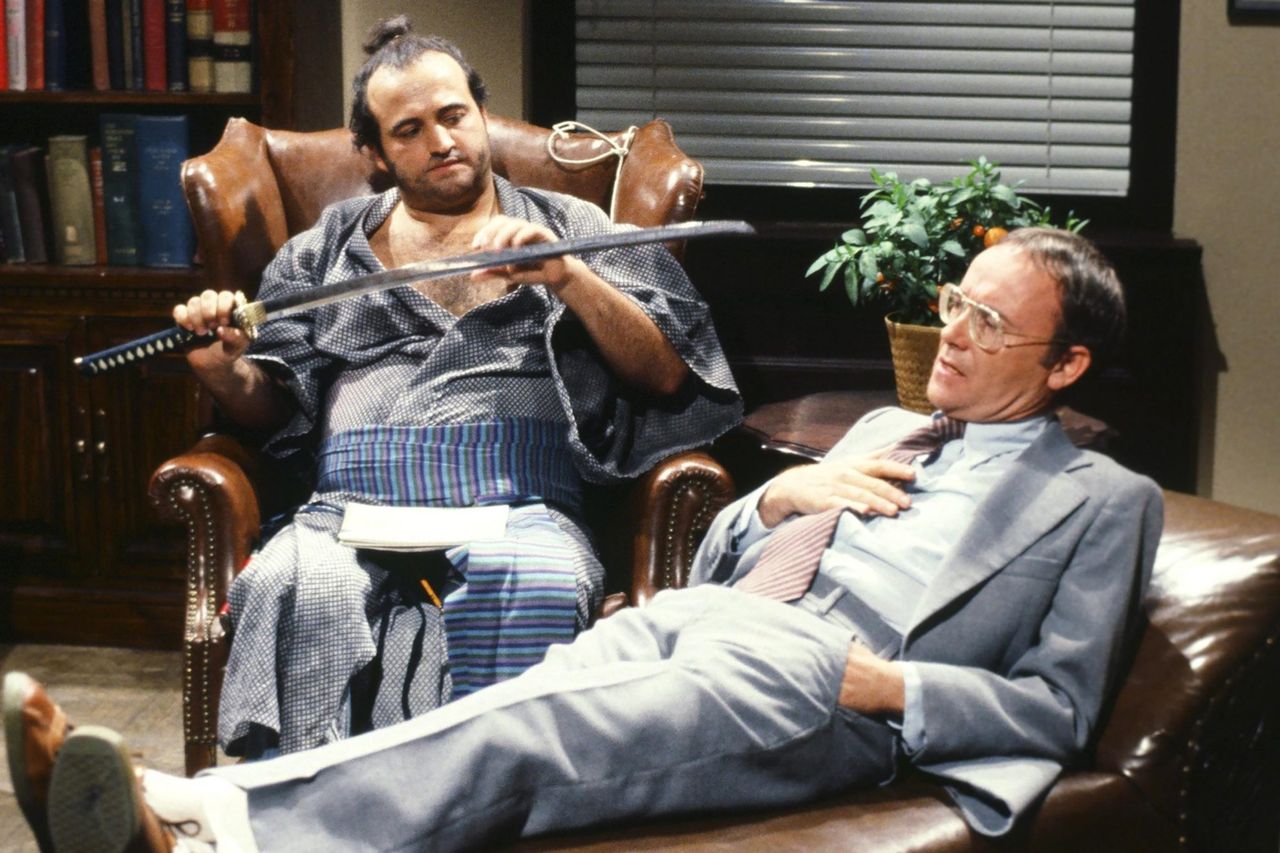
John Belushi and Buck Henry on ‘Saturday Night Live’Credit: NBC/NBCU Photo Bank via Getty Images
While longtime creative partner Dan Aykroyd was never the superstar on the original seasons of Saturday Night Live that John Belushi was, it’s Aykroyd’s originality and writing skills from those first five years that have aged better. Still, there’s no debating that Belushi, a star at both Second City and the National Lampoon, emerged as the biggest star on the show at the time, especially after the premature departure of season 1 breakout Chevy Chase. Belushi was all about charisma, having learned through his time in Chicago’s Second City and onstage in National Lampoon: Lemmings that rock stardom and comedy stardom stem from the same, anarchic place.
Big and shockingly nimble, former high school athlete Belushi relished in physicality while displaying subtler acting chops when given the opportunity. Audiences were enthralled, eventually learning to explode in cheers and laughter at the simple cock of an eyebrow as much as an outsized pratfall or boisterous musical number. Teaming with Aykroyd conjured the duo’s Blues Brothers, a frenzied but precise amalgamation of the rock and comedy star, leading both actors to leave the show after its fourth season to pursue big-screen Blues Brothers success. Belushi’s time on Saturday Night Live was fraught and fruitful in equal measure, the brilliant comedian hurling himself into the backstage drama and onstage virtuosity with similarly bottomless capacity. —D.P.
24 of 30
Dan Aykroyd (4 seasons; 1975–1979)
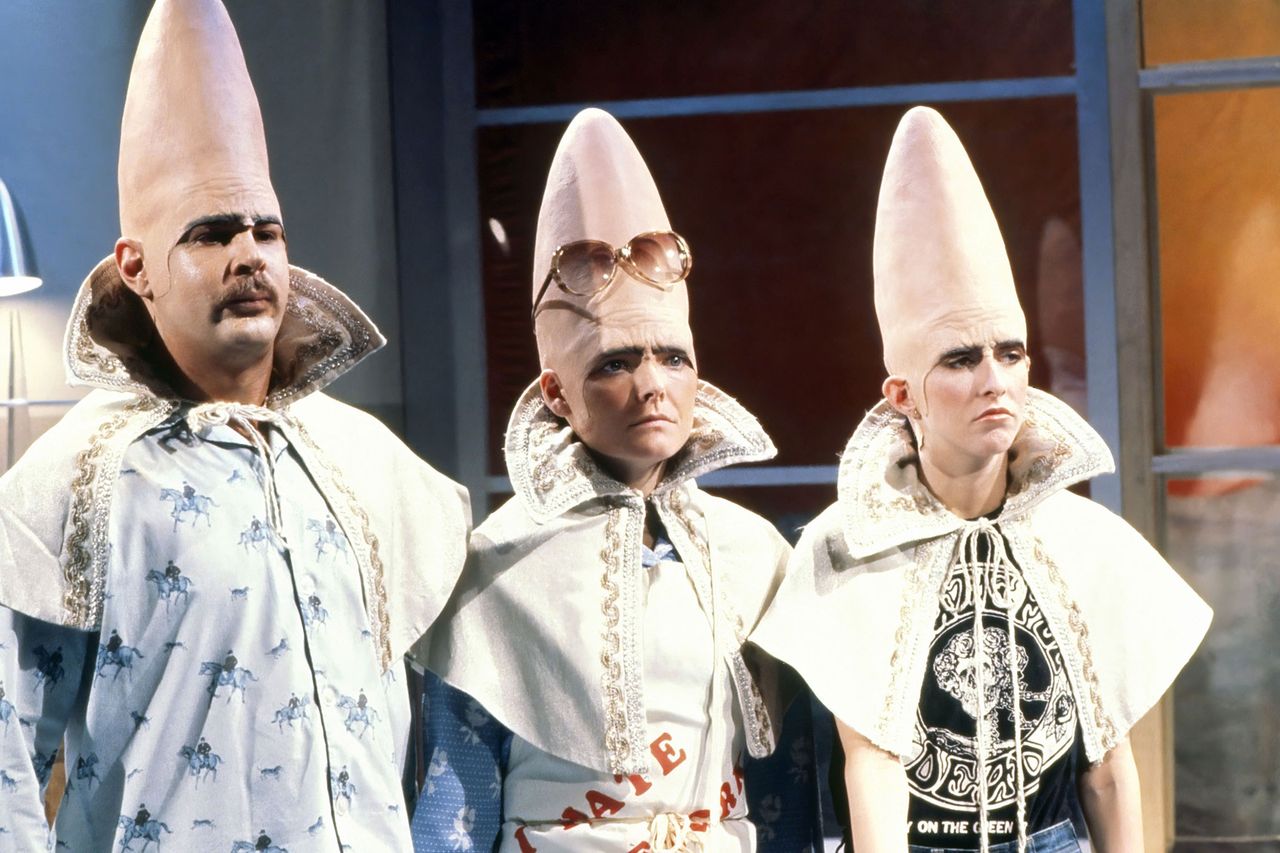
Dan Aykroyd, Jane Curtin, and Laraine Newman on ‘Saturday Night Live’Credit: Everett Collection
His major hits (the Wild and Crazy Guys, the Coneheads, his endless parade of fanatical commercial pitchmen) left audiences bowled over, the irresistible weirdness and energy simply sweeping them along to wherever this young Canadian comic had in mind to take them.
Perhaps it’s the Canada in him, but Aykroyd’s unfettered imagination ran to staccato technical jargon seemingly culled from the world of David Cronenberg. How else to explain sketches like “The Blog Diet,” where Aykroyd’s narrator straightforwardly introduces the titular weight-loss program, involving subjects being kidnapped to a fake Arctic ice shack and being menaced by a food-hoarding Inuit man (Belushi) named Blog, who’s actually the professorial inventor of the titular diet. No one can. —D.P.
25 of 30
Will Ferrell (7 seasons; 1995–2002)
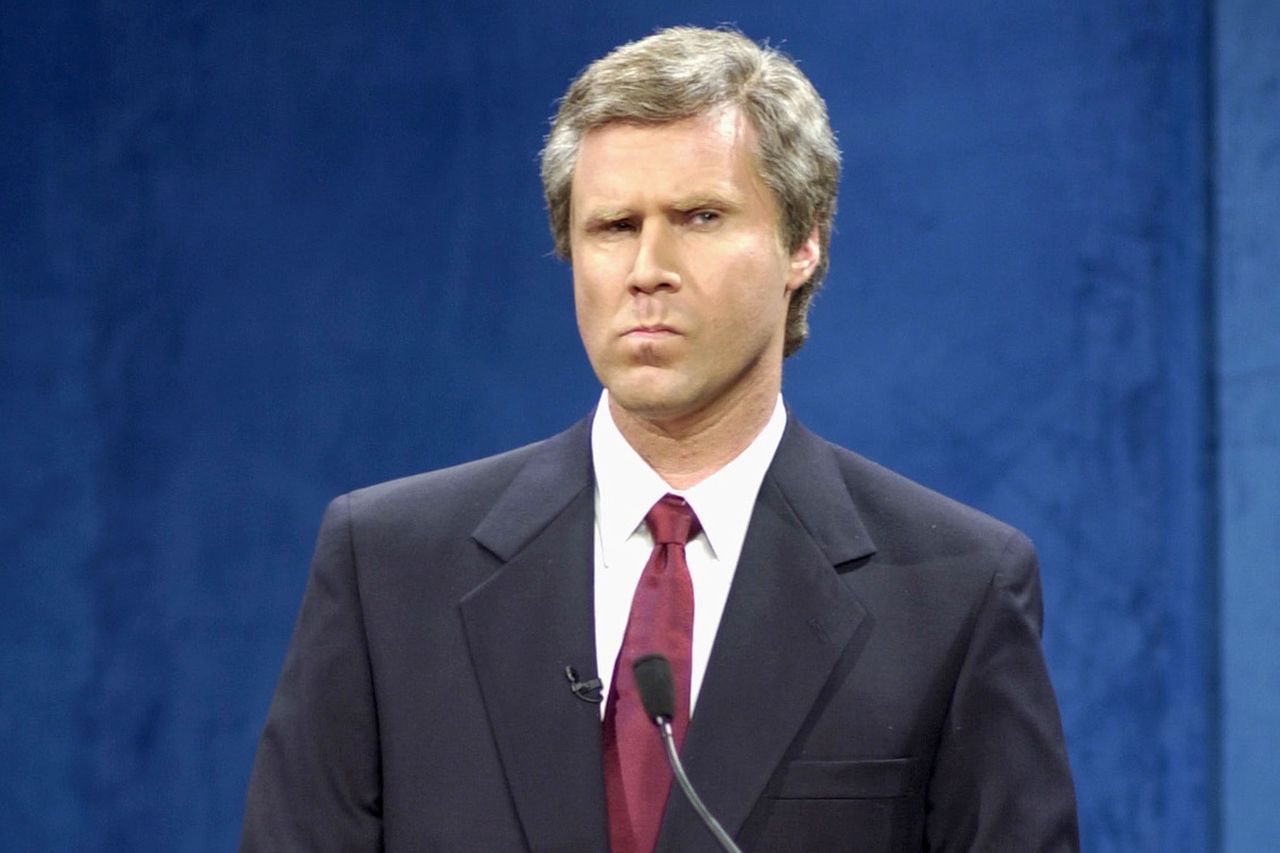
Will Ferrell on ‘Saturday Night Live’Credit: Dana Edelson/NBCU Photo Bank/NBCUniversal via Getty Images
Hired after the mass exodus and critical and ratings desert that was the mid-‘90s SNL, ex-Groundlings alum Will Ferrell became one of the bright spots in a rebuilding season before catapulting into one of the most in-demand and reliably riotous performers Saturday Night Live has ever seen.
Ferrell’s stock-in-trade was a wide-eyed excitement that burned in even his most outwardly subdued characters. For instance: Placid suburban husbands suddenly erupt in strangled cries of “I drive a Dodge Stratus!“ in panicked defense of their own self-worth; a middle school music teacher maintains a singsong-performing delivery even as the boisterous indifference of his students rains down all around him; the carefully manicured persona of an overly handsy college professor explodes in thwarted passion from inside a bubbling hot tub.
Meanwhile, Ferrell brought us one of SNL‘s most memorable political impressions, his George W. Bush. While never the soundalike of his more impression-minded peers’ heads of state, it’s Ferrell’s adept channeling of the former president’s psyche and his confident touting of Bush’s “strategery” that has ultimately persisted in the public consciousness. Utterly fearless in his pursuit of huge belly laughs and possessed of a deceptively subtle actor’s delicateness when he chose, Ferrell was a scene-stealer in every one of his seven seasons. —D.P.
26 of 30
Gilda Radner (5 seasons; 1975–1980)
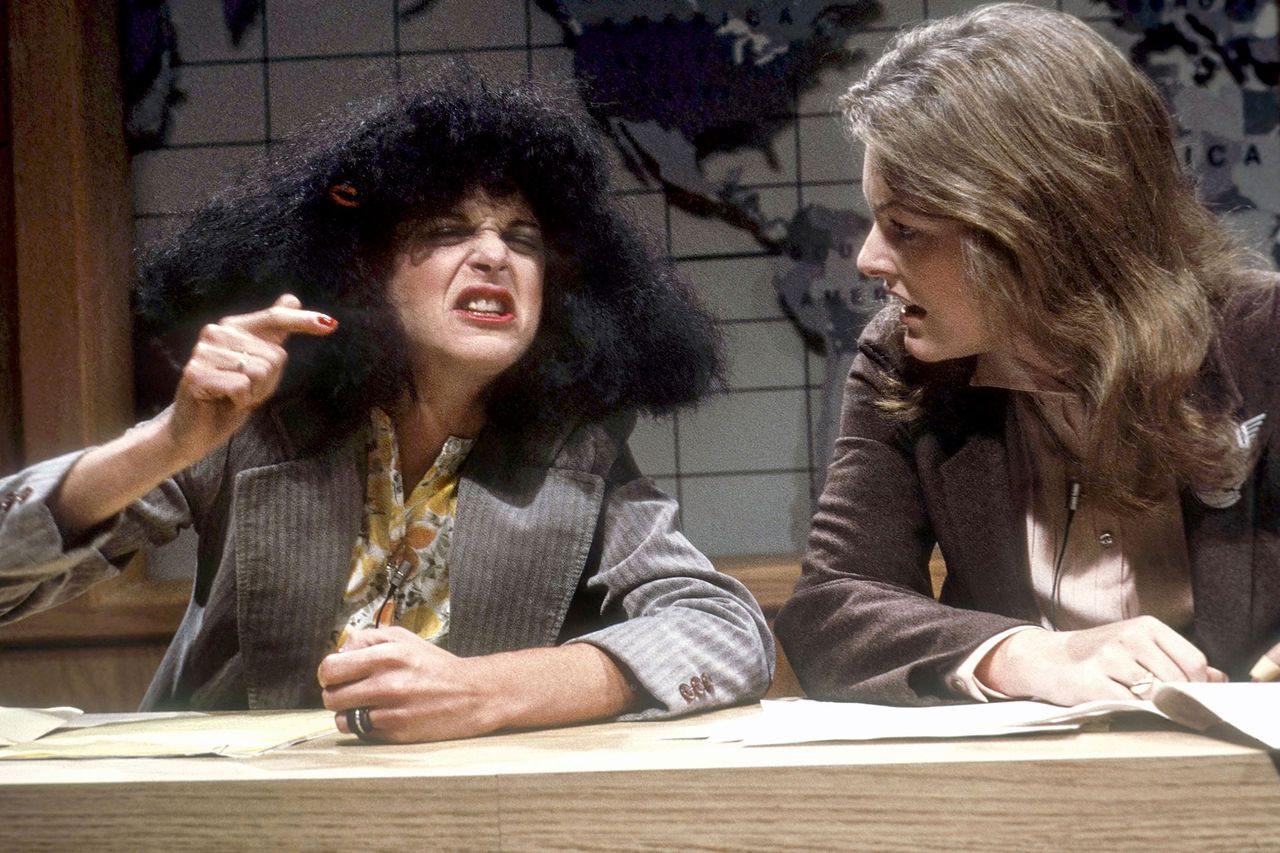
Gilda Radner and Jane Curtin on ‘Saturday Night Live’Credit: Everett Collection
Almost every female cast member (and more than a few male ones) cites this original Not Ready for Prime Time Player as a formative influence, and it’s easy to see why. A hilarious combination of performing fearlessness and relatable vulnerability, Gilda Radner was as easy to love as she was impossible not to root for. Small and seemingly fragile, Radner specialized in hurling herself (sometimes literally) around the Studio 8H stage, matching and often outdoing her infamously boisterous and boorish male costars in how far she was willing to go for a laugh.
Once signing an end-of-year message to John Belushi by citing his ability “to hit me without hurting me and hurt me without hitting me,” Radner was every inch the dynamo on SNL her burly castmates like Belushi, Akyroyd, and Bill Murray were on a nightly basis, characters like her hyperactive child Judy Miller bouncing off the walls, and unshaven punk rocker Candy Slice spitting booze into Belushi’s unsuspecting mouth. Radner owned Update, correspondent creations like Roseanne Roseannadanna and Emily Litella becoming two of the most popular SNL characters of all time, while, in quieter moments, glimpses of the oft-troubled and lovelorn actual Radner imbuing her roles with an irresistible charm and melancholy. Radner’s shocking death from cancer at the age of just 42 in 1989 broke millions of hearts still touched by her sparkling and charismatic time on Saturday Night Live. —D.P.
27 of 30
Bill Hader (8 seasons; 2005–2013)
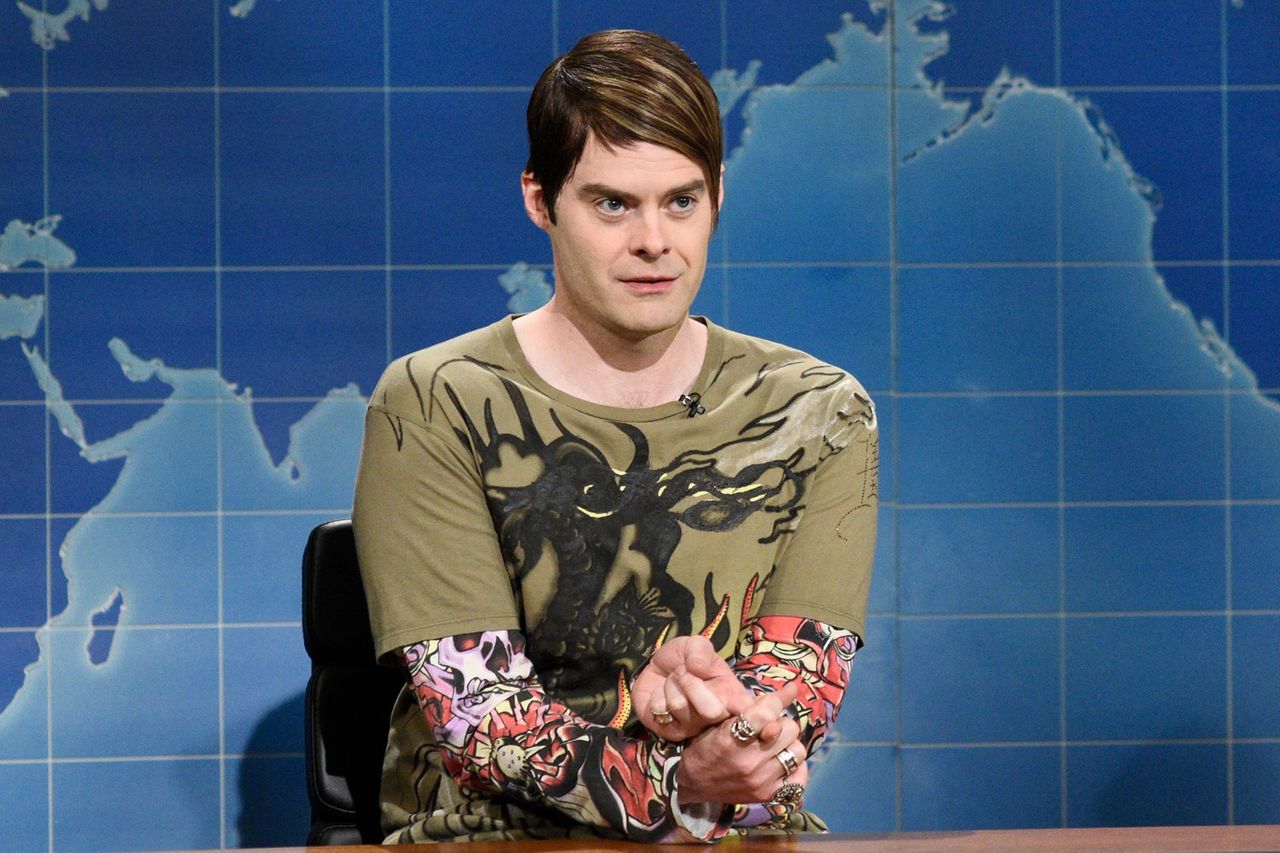
Bill Hader on ‘Saturday Night Live’Credit: Will Heath/NBC
A beyond-worthy heir to Phil Hartman’s legacy, Bill Hader spent a similar eight years on SNL while displaying an astonishing versatility as an impressionist and serving a similarly indispensable role as the show’s go-to utility player. Thankless roles like ever-present game show hosts became, in Hader’s hands, the main attraction of sketches, with his ability to imbue potentially bland characters with hilarious inner life elevating everything he appeared in. Adding to that, Hader (who, in reality, suffered from debilitating anxiety on the show) was every bit the glue Hartman was, his precise and steady comic rhythm and timing the unwavering metronome that sketch after sketch played along to.
Even more than Hartman, though, Hader’s impressionist skills were unparalleled. The actor honed impersonations of figures from the ubiquitous (James Carville, Al Pacino) to the more inspired (Dateline’s Keith Morrison, Alan Alda, John Malkovich, Vincent Price), which were always guaranteed showstoppers both for verisimilitude and for the strange and wonderful places Hader would take them. Original characters like Weekend Update standout Stefon (co-created with pal John Mulaney, whose last-minute cue card switches invariably broke Hader on-air), cantankerous news reporter Herb Welch, and faux-Italian-babbling interviewer Vinny Vedecci own the rare distinction of successful recurring SNL characters who never wore out their welcome. —D.P.
28 of 30
Bill Murray (4 seasons; 1977–1980)
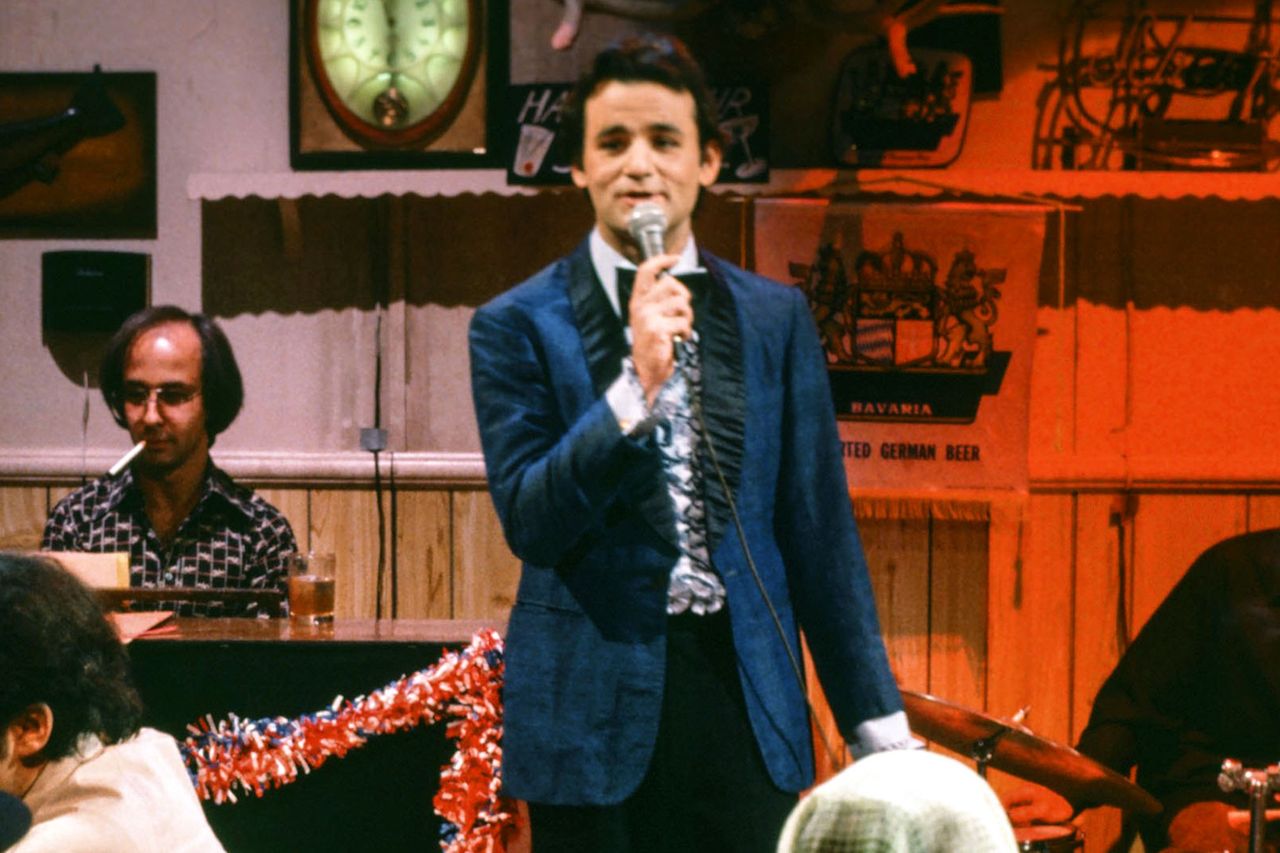
Bill Murray on ‘Saturday Night Live’Credit: NBC/NBCU Photo Bank
Arguably the most talented and accomplished comedian and actor to emerge from Saturday Night Live in the years since he left the show, Bill Murray came within a whisker of being one of SNL‘s also-rans. Brought in after Chevy Chase’s departure, the raw, young, Chicago-born Murray was shockingly shaky in retrospect, blowing lines and soon relegated to what he called “second cop” parts in the few sketches he appeared in.
Luckily, a bit of ingenuity and a lot of desperation (and a microphone-shaped bar of soap) saw Murray channel the confidently ironic wiseass within in the “Shower Mic” sketch, where an embryonic iteration of his soon-to-be-beloved Nick the Lounge Singer crooned to himself and Gilda Radner’s annoyed wife during their morning shower. The bit showed what the fiercely energetic and charismatic Murray could do, and, almost literally from that moment on, SNL viewers latched onto Murray’s signature mix of smirking silliness and performing courage.
In his short tenure on the show (before decamping along with Lorne Michaels and the rest of the cast after the fifth season), Murray exhibited a knowingness that turned his sketches into winking star vehicles. Originally auditioning for the show with a slurring, punch-drunk character he called “the Honker,” Murray relished in the looseness of scene work and improvisation, skills that often chafed against the restrictions of live TV, but nonetheless lent Murray’s characters an edge of dangerous agency that was consistently arresting. Amidst all of Murray’s stellar turns on the show, his resurrected Honker in the Tom Schiller-directed short, “Perchance to Dream” hinted most feelingly at the depth and breadth of Murray’s successes to come. Finding a bottle of booze on the snowy street, Murray’s Honker swills it down to imagine himself reciting Shakespeare to an adoring crowd, only to reemerge at the end of a cop’s nightstick, the tour de force a haunting omen of all that Murray had yet to accomplish. —D.P.
Get your daily dose of entertainment news, celebrity updates, and what to watch with our EW Dispatch newsletter.
29 of 30
Phil Hartman (8 seasons; 1986–1994)
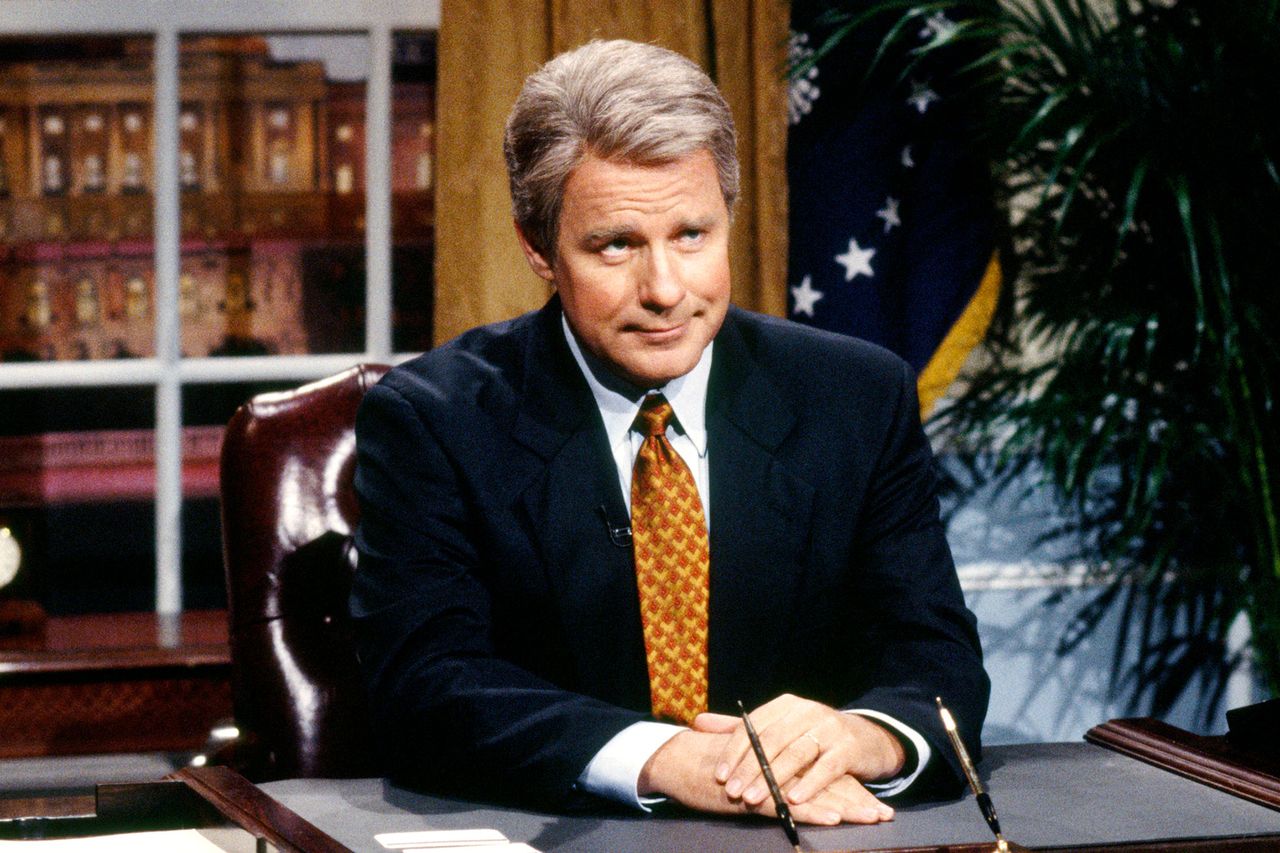
Phil Hartman on ‘Saturday Night Live’Credit: Gerry Goodstein/NBCU Photo Bank/NBCUniversal via Getty Images
Castmates coined the nickname “Glue” for invaluable Everyman Phil Hartman, citing the actor’s ability to ground and bring together even the shakiest of premises with his consummate, unflappable professionalism. An expert mimic as well as the sort of character actor a sketch show absolutely must have to succeed, Hartman was an older hire than the traditional new cast member, his years of work with L.A. sketch institution the Groundlings leaving him something of a steadying presence, even as Hartman’s versatility routinely produced some of the show’s most memorable and hilarious characters.
The wry manipulation of his “Unfrozen Caveman Lawyer“ revolves entirely around Hartman’s characterization, while the actor slipped in and out of celebrity impressions and original characters alike with a knowing and seemingly effortless brilliance. While other, younger cast members came and went, Hartman was just everywhere, doing everything. From game show hosts, old-timey movie types, interviewers, and persnickety chefs, to Bill Clinton, Frank Sinatra, Ronald Reagan, and Donald Trump, Phil Hartman indeed held Saturday Night Live together with his extraordinary talent. —D.P.
30 of 30
Eddie Murphy (4 seasons; 1980–1984)
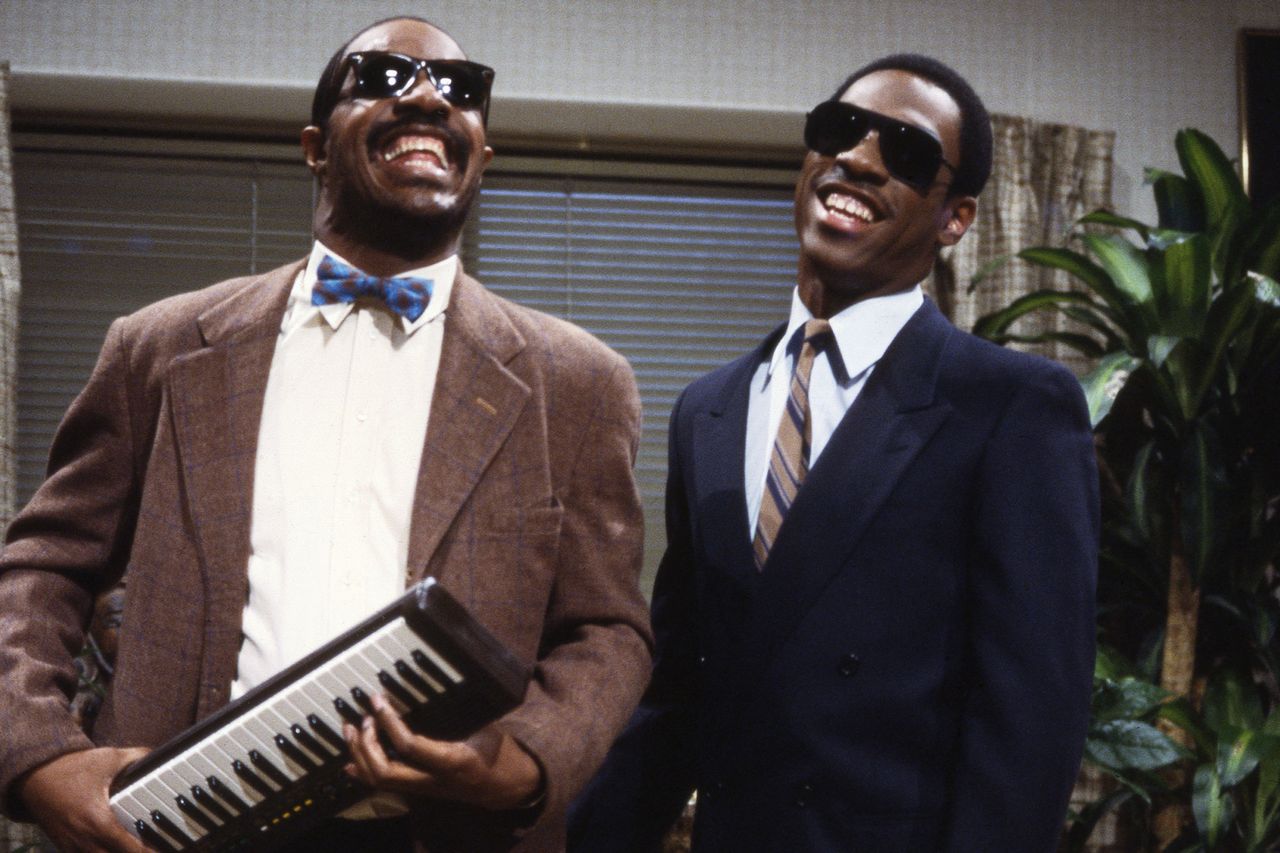
Stevie Wonder and Eddie Murphy on ‘Saturday Night Live’Credit: Anthony Barboza/Getty Images
The only person from the Dick Ebersol-produced years of the show to make this list, time and a string of disappointing career choices may have dulled the shine on Eddie Murphy‘s superstardom on Saturday Night Live. However, go back and watch — from the first moment Murphy, then all of 19, stepped in front of the cameras, audiences were enraptured. Impossibly young, sparklingly talented, with a potent mix of rawness and innate performer’s charisma, Murphy emerged from the rubble that was the initial post-Lorne Michaels SNL and built himself a one-man comedy empire, right in Studio 8H.
Originally paired with Joe Piscopo, one of the only other performers to survive the infamously disastrous 1980 Jean Doumanian-produced season, the more experienced Piscopo and newcomer Murphy indeed made a fine team, their chemistry propping each other up as they crafted some funny characters amidst the chaff. But Piscopo had a ceiling, while Murphy had seemingly none, with the younger star inevitably eclipsing not just his friend and scene partner, but at times the show itself.
The lore of those years is rife with tales of how it was emerging star Murphy who literally saved the show from cancellation on multiple occasions, his stable of larger-than-life guaranteed hits (Buckwheat, Gumby, Mister Robinson, and others) ever emerging to rapturous response. That said, backstage, the still shockingly young Murphy was a true team player. According to stalwart supporting player Tim Kazurinsky in the documentary Saturday Night Live in the ‘80s: Lost & Found, the unquestioned star was also “a mensch,” who fought to include his costars in sketches and gave his all in roles where he wasn’t the main focus.
As talented as Murphy was, movies came calling, with the actor immediately taking over the box office in films like 48 Hrs. (1982), Trading Places (1983), Beverly Hills Cop (1984), and Coming to America (1988), all while his stand-up career exploded in similar fashion. After leaving SNL in 1984, Murphy’s career had its ups and downs, with a joke about the latter from David Spade on Weekend Update reportedly causing a schism between the actor and show that would only be healed when Murphy returned to triumphantly host in 2019. —D.P.
on Entertainment Weekly
Source: “AOL Entertainment”
