


Some Presidents REALLY Cared About Looks — I Bet You Can Name One Of The Vainest
Some Presidents REALLY Cared About Looks — I Bet You Can Name One Of The Vainest

Jasmine DesireeSun, October 11, 2026 at 6:31 PM UTC
0
From powdered wigs to AI-doctored images, our presidents have toed a fine line between controlling their image and being obsessed with looks.Eighty pairs of pants, maybe 200. Chester A. Arthur owned so many trousers that his contemporaries lost count, and 140 years later, so have historians.
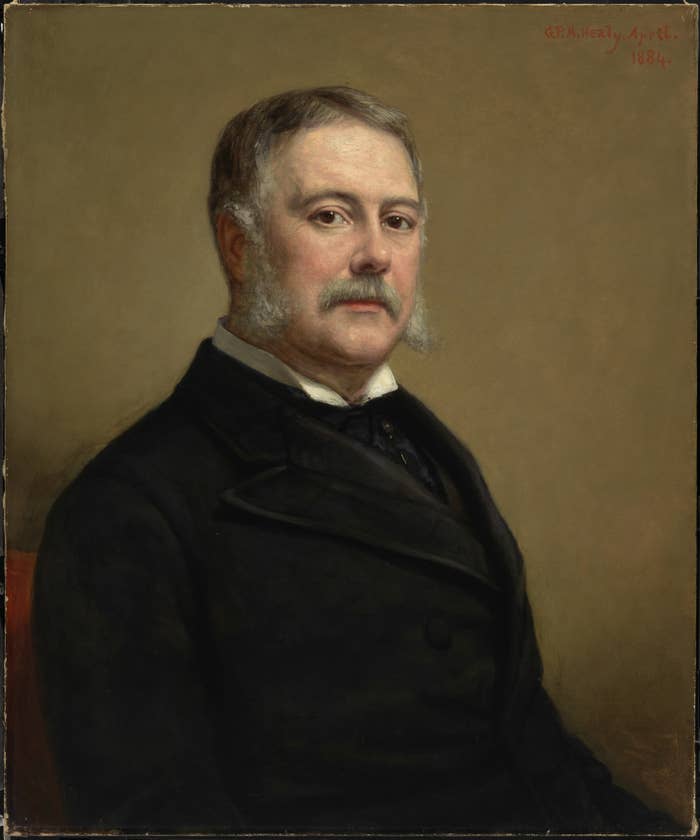
Heritage Images / Getty ImagesThe figure floating through the newspapers of the 1880s ranged from 70 to 200, depending on who was doing the gawking. His tailor recalled the president ordering 20 pairs at a time.
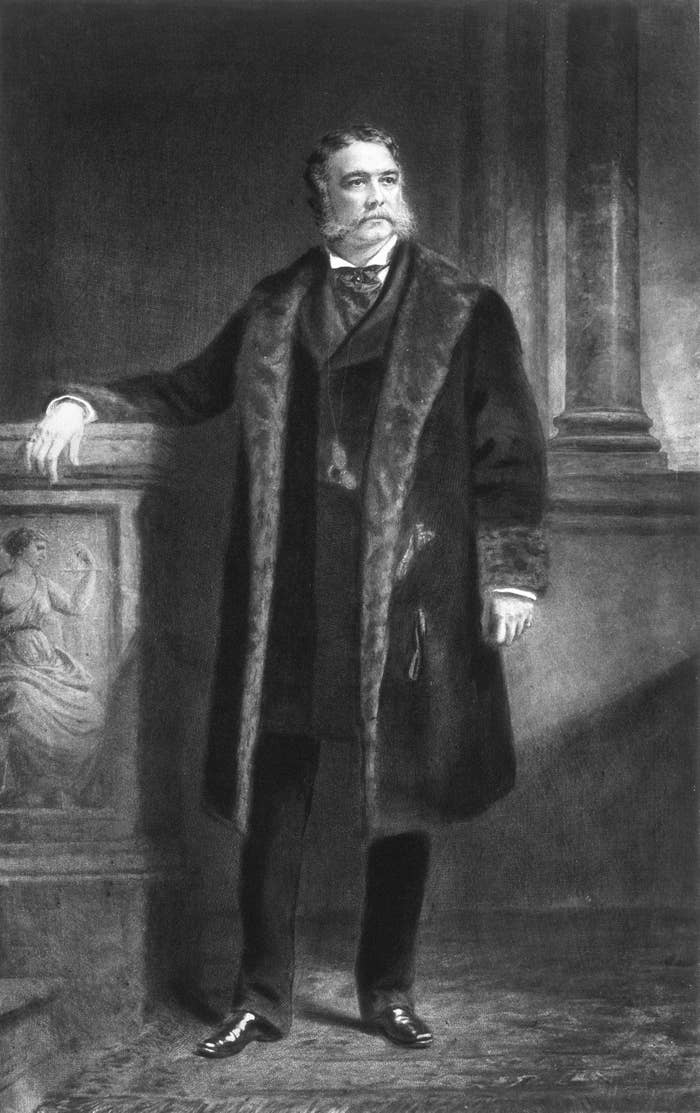
Heritage Images / Getty ImagesArthur was what his era called a “dude,” not the surfer-adjacent term it is now, but 1880s slang for a man who conspicuously cared about his clothes. Washington society treated his wardrobe as a running news item, the way a later century would report a celebrity’s airport outfit.
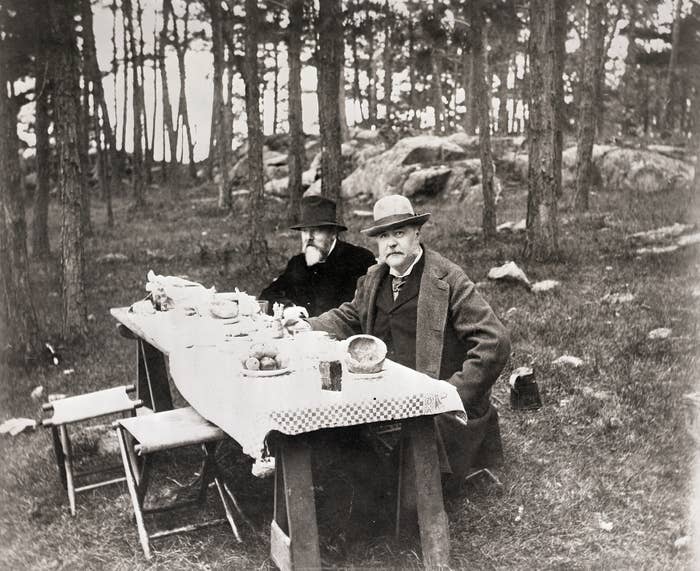
Bettmann / Getty Images“President Arthur was absolutely what I would call a clotheshorse,” said Summer Anne Lee, a fashion historian and author of the forthcoming Presidential Fashion: An Illustrated History. And the trouser math, she notes, isn’t really the point, adding, “The exact number is probably less historically significant than the fact that so many people were talking about his clothes in the first place.”
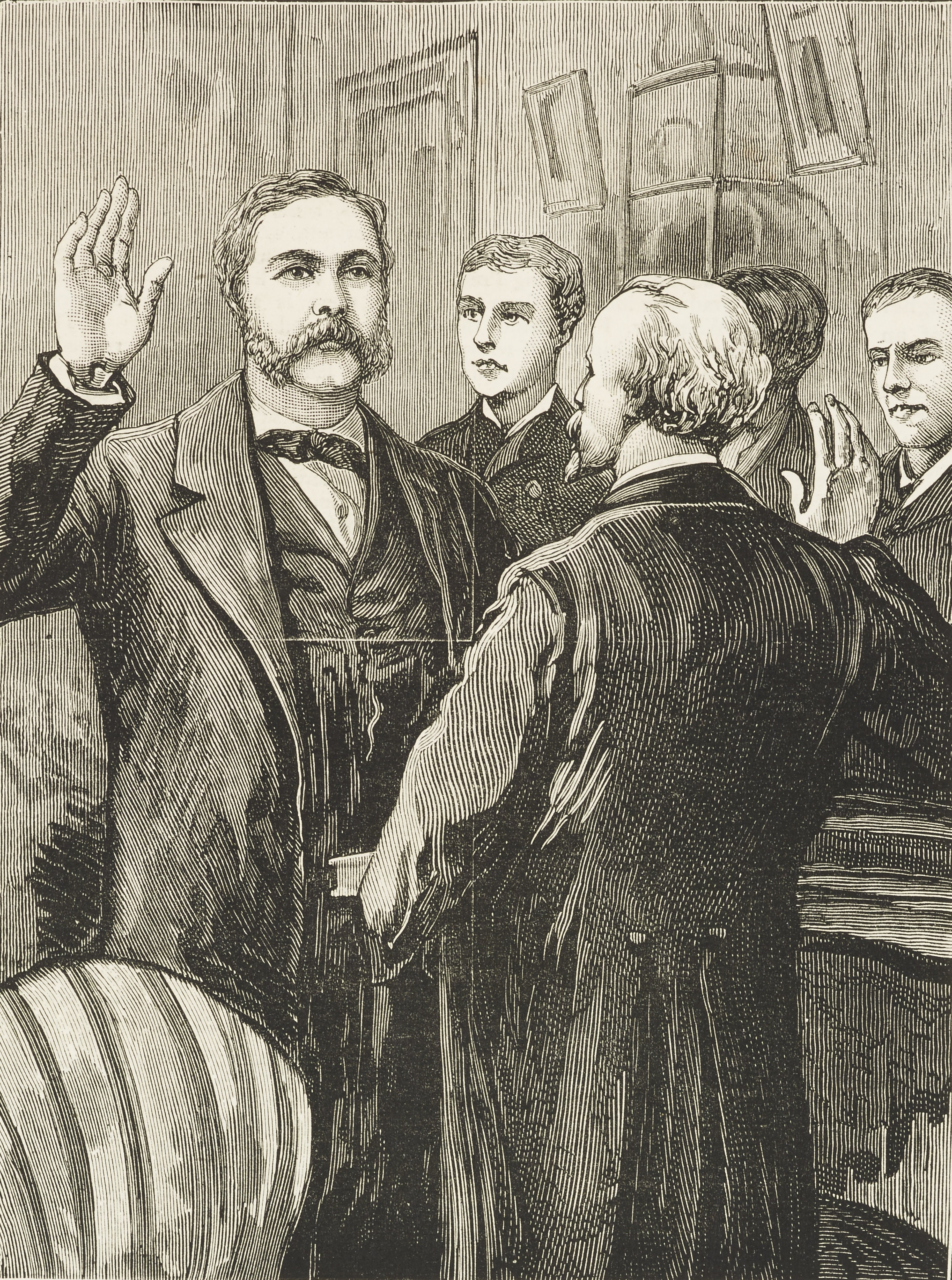
DEA / BIBLIOTECA AMBROSIANA / Getty ImagesThe vainest president in American history sounds like a fun thing to settle, but the question starts to buckle the moment you ask the people who study this for a living. Vanity, two historians offered, is a hollow word for something that runs deeper.
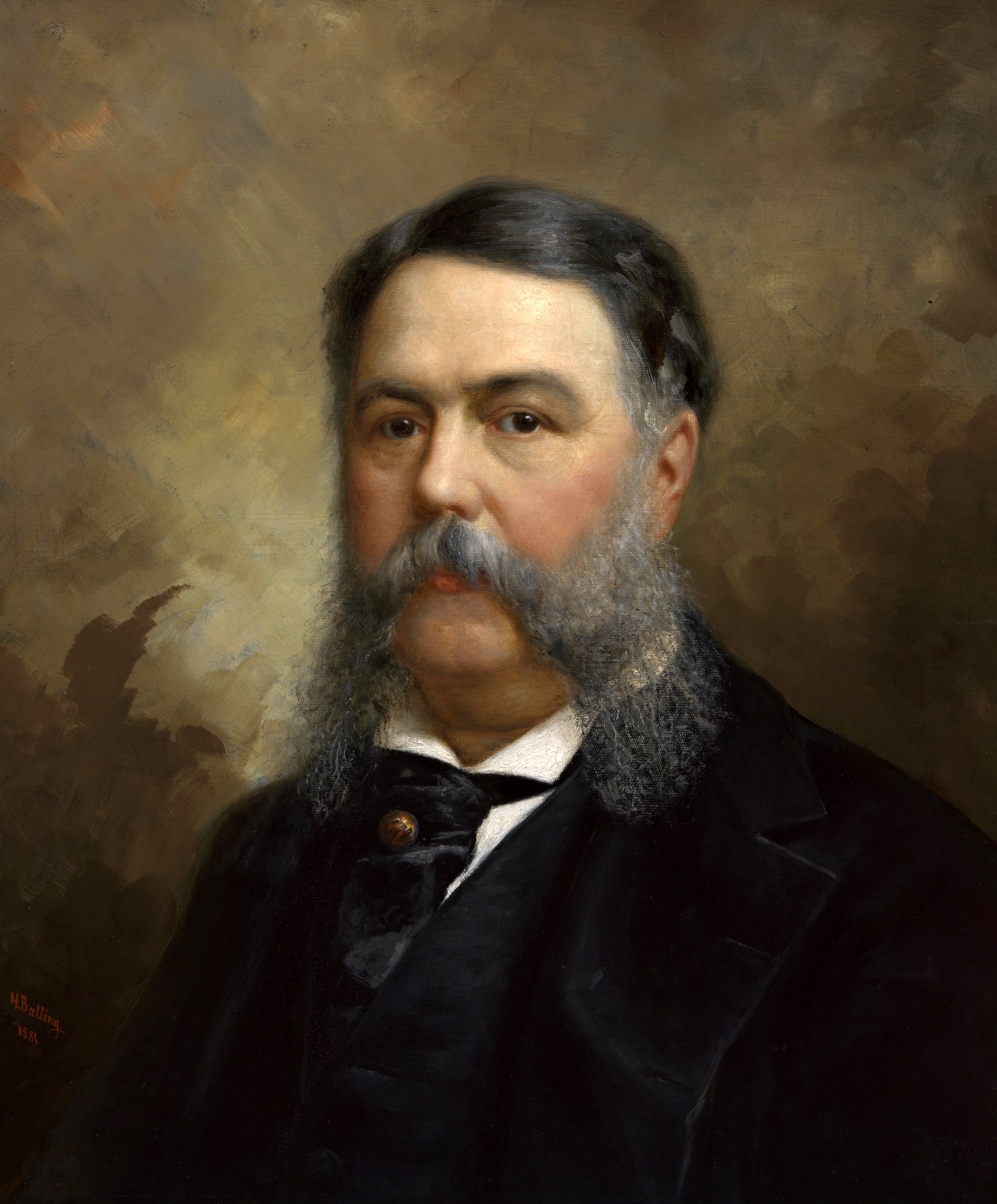
Bildagentur-online / Getty ImagesThe Difference Between Vanity vs. Image Control
Related: "30 Horrifying And Tragic Historical Photos You Probably Never Saw In Textbooks"
A president who fusses over his appearance is more often just doing the same job the rest of us do on social media every day: managing how the public sees us. Controlling that image is a form of power, and every era hands presidents a new set of tools to do so, which turns the fun question into a better one: Not who was vainest, but who mastered the medium he was handed.
Diana Walker / Getty Images“Presidents care about their visual image, and they understand that their images shape their historical legacy,” said Cara Finnegan, a historian of photography and author of Photographic Presidents: Making History from Daguerreotype to Digital. “They use visual strategies — photography, portraiture — to communicate that they are active leaders, men of the people, and the like.”
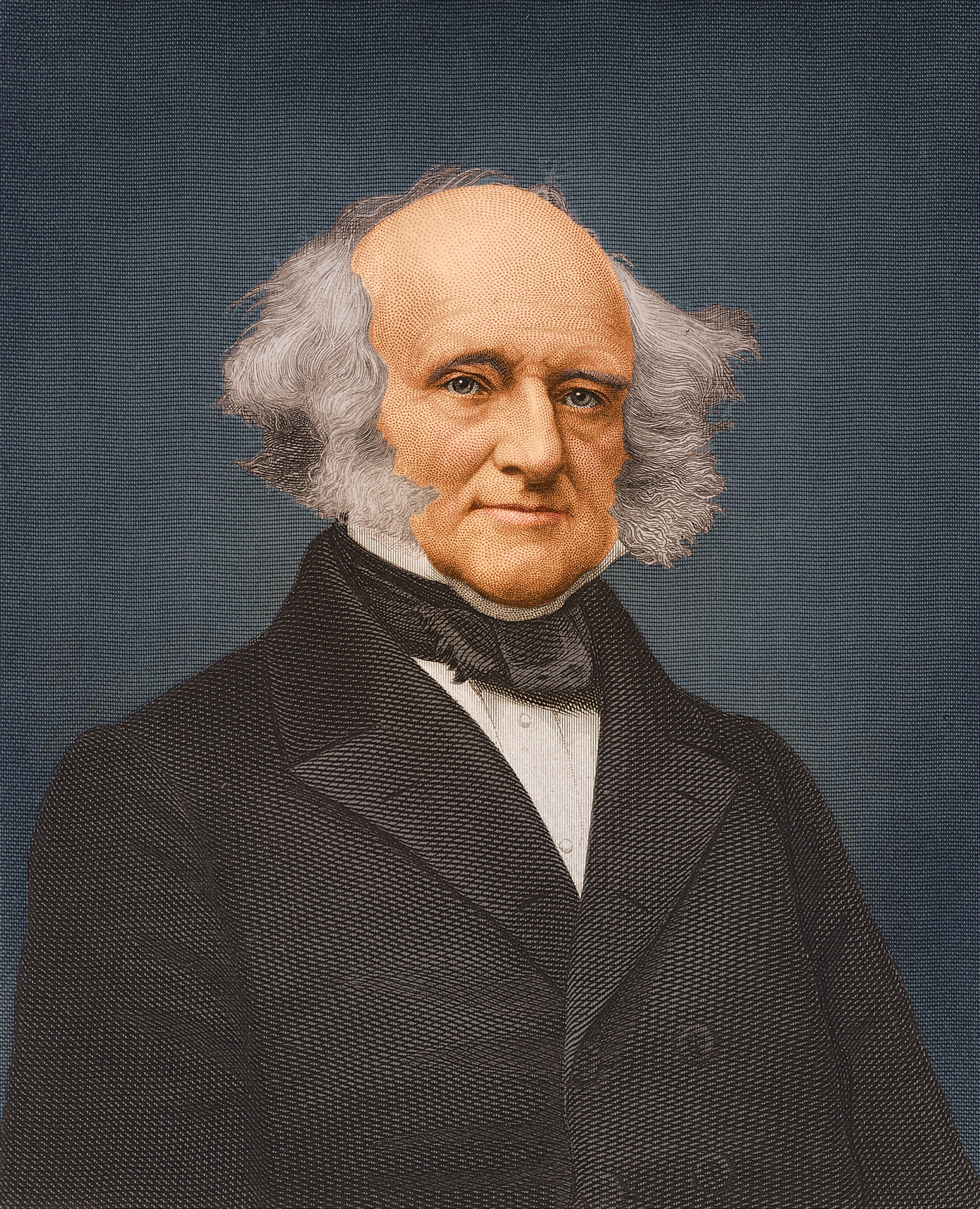
Bettmann / Getty ImagesFirst, a case study that depicts this contrast.Martin Van Buren was named a “dandy” as early as 1821, and by the 1840 campaign the label had been sharpened into a weapon. William Henry Harrison’s people ran him as the log-cabin everyman; Van Buren, by contrast, was painted as an effete aristocrat sipping fine wine while the country went hungry. And the problem wasn’t simply that Americans disliked a nice coat; it was what the nice coat was taken to mean.
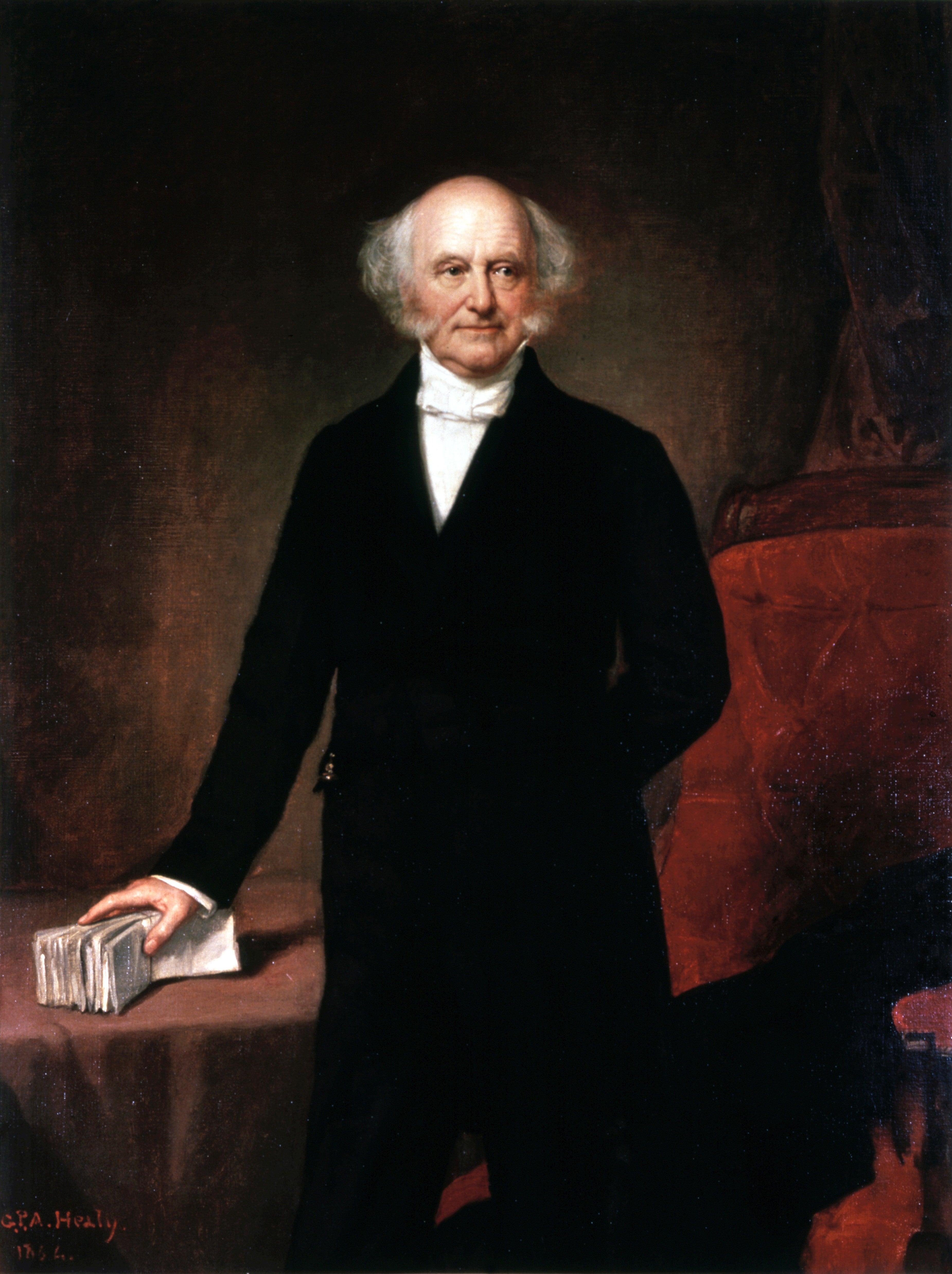
Pictures from History / Getty ImagesIn this period, Lee explains, “foppishness could be associated with effeminacy, European aristocracy, excessive luxury and social elitism,” a genuinely toxic combination in a young republic that had staked its whole identity on rejecting inherited hierarchy. Van Buren’s grooming became the visual shorthand for an attack ad: proof, or at least a convincing stand-in for proof, that he wasn’t a man of the people; so how could he lead them?
Stock Montage / Getty ImagesGeorge Washington played the same game, but from the other direction. He dressed on purpose, and he understood its power long before anyone had the vocabulary to name what he was doing. Before photography, presidents had enormous say over how they were painted, and Washington treated that power like the asset it was.
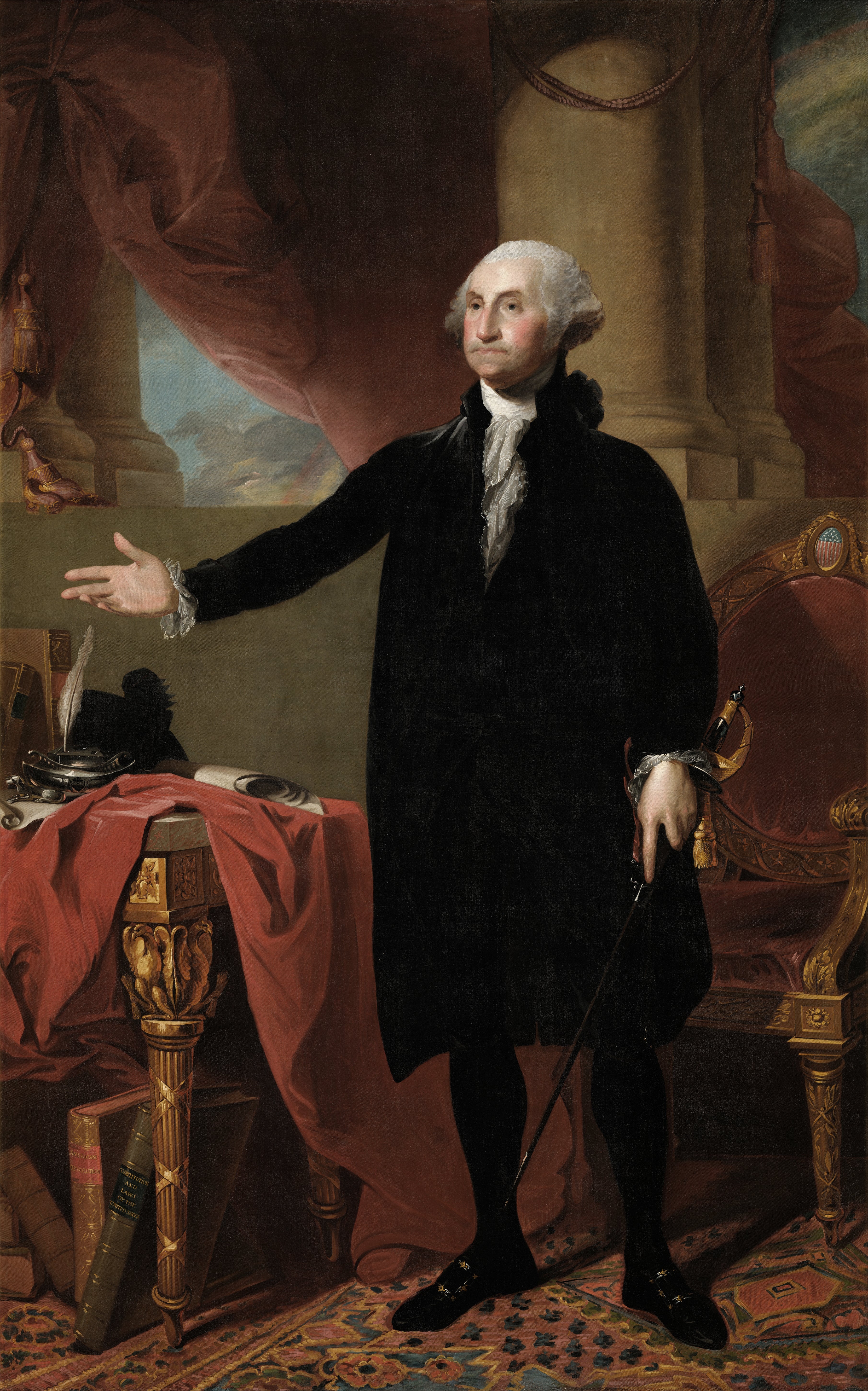
GraphicaArtis / Getty Images“What I find especially interesting about Washington is how well he understood that clothing could help define what the new American presidency was supposed to look like,” Lee said. Those famous portraits, all black velvet and restrained dignity, cast him as a civilian statesman rather than a king-in-waiting. That was itself a political argument about what this brand-new office was supposed to be.
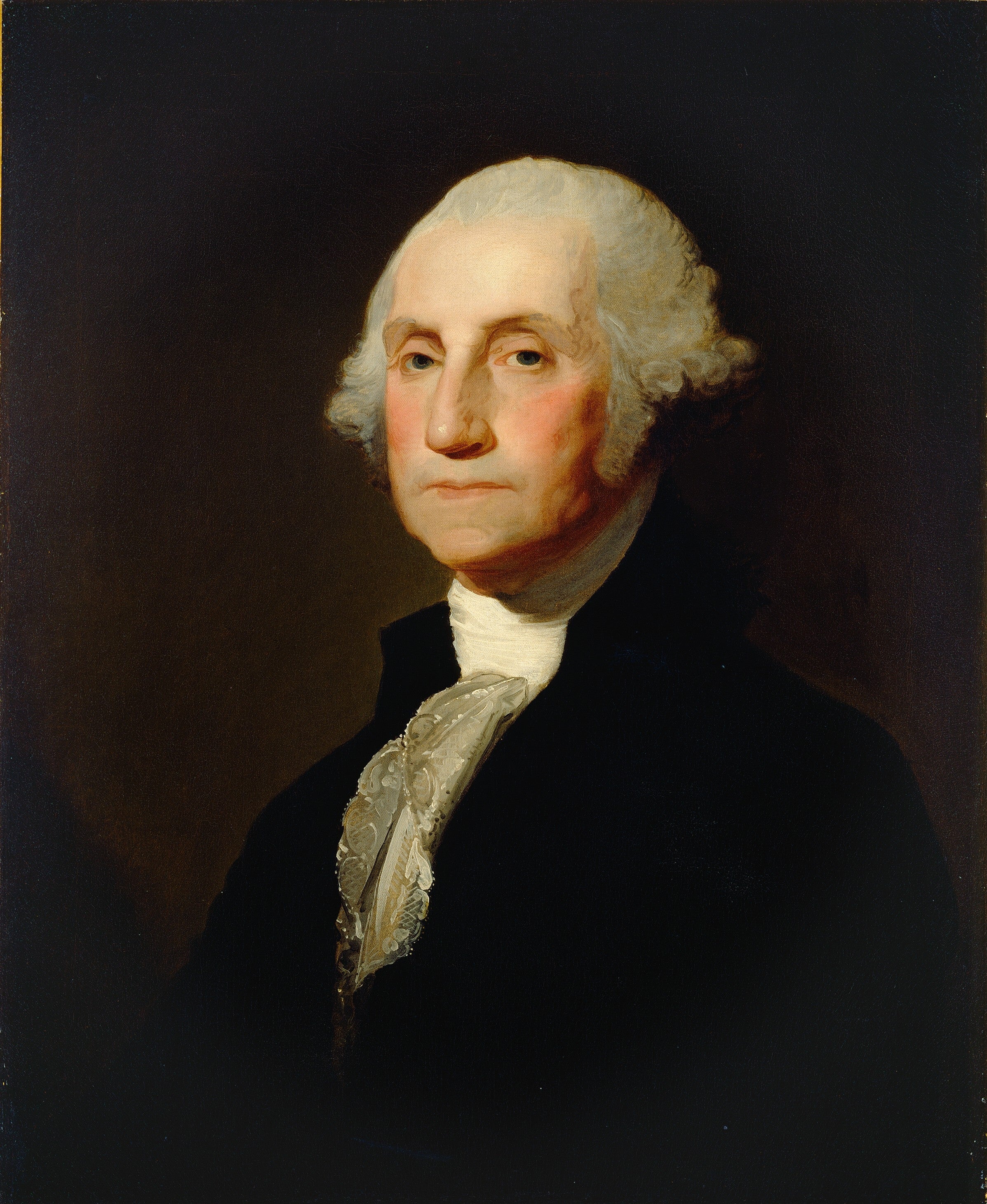
Heritage Images / Getty ImagesHe also more or less invented the presidential uniform. Washington tended to appear in one of two registers: military dress or a formal black suit. Call it his version of the Steve Jobs turtleneck, a look so consistent it went invisible, leaving people nowhere to look but at what he said and did.
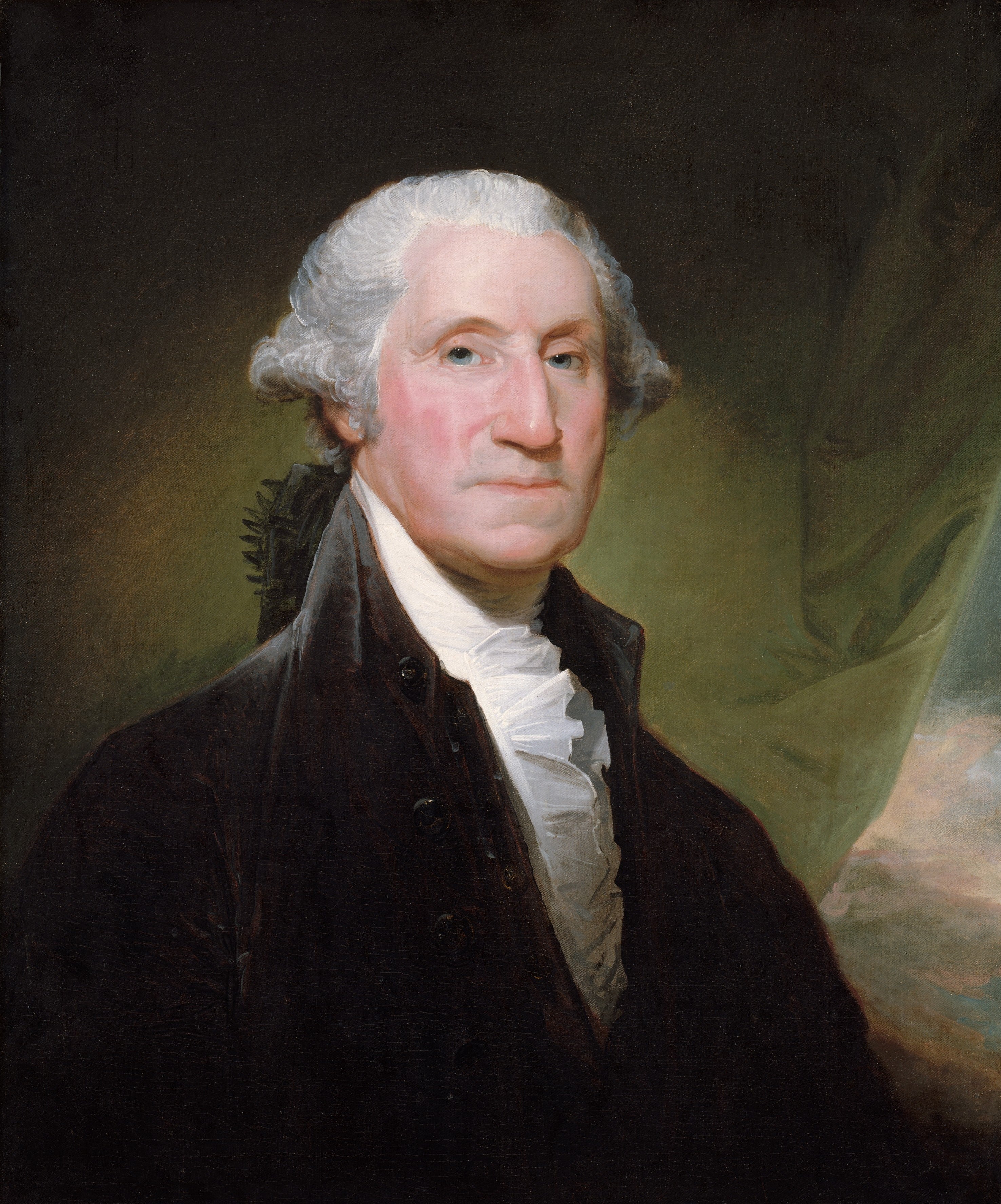
Heritage Images / Getty Images
Related: "Most Adults Can't Answer These Elementary School History Questions. Can You?"
A reliable uniform telegraphs steadiness, and steadiness is its own kind of trust. Predictability, or even just the signal of it, does real work on our nerves; it gives people permission to relax. There’s no guessing, no vanity to decode, no reinvention to distrust. And for a brand-new nation with no template for what a leader was supposed to be, a president who looked the same every time was its own kind of reassurance.
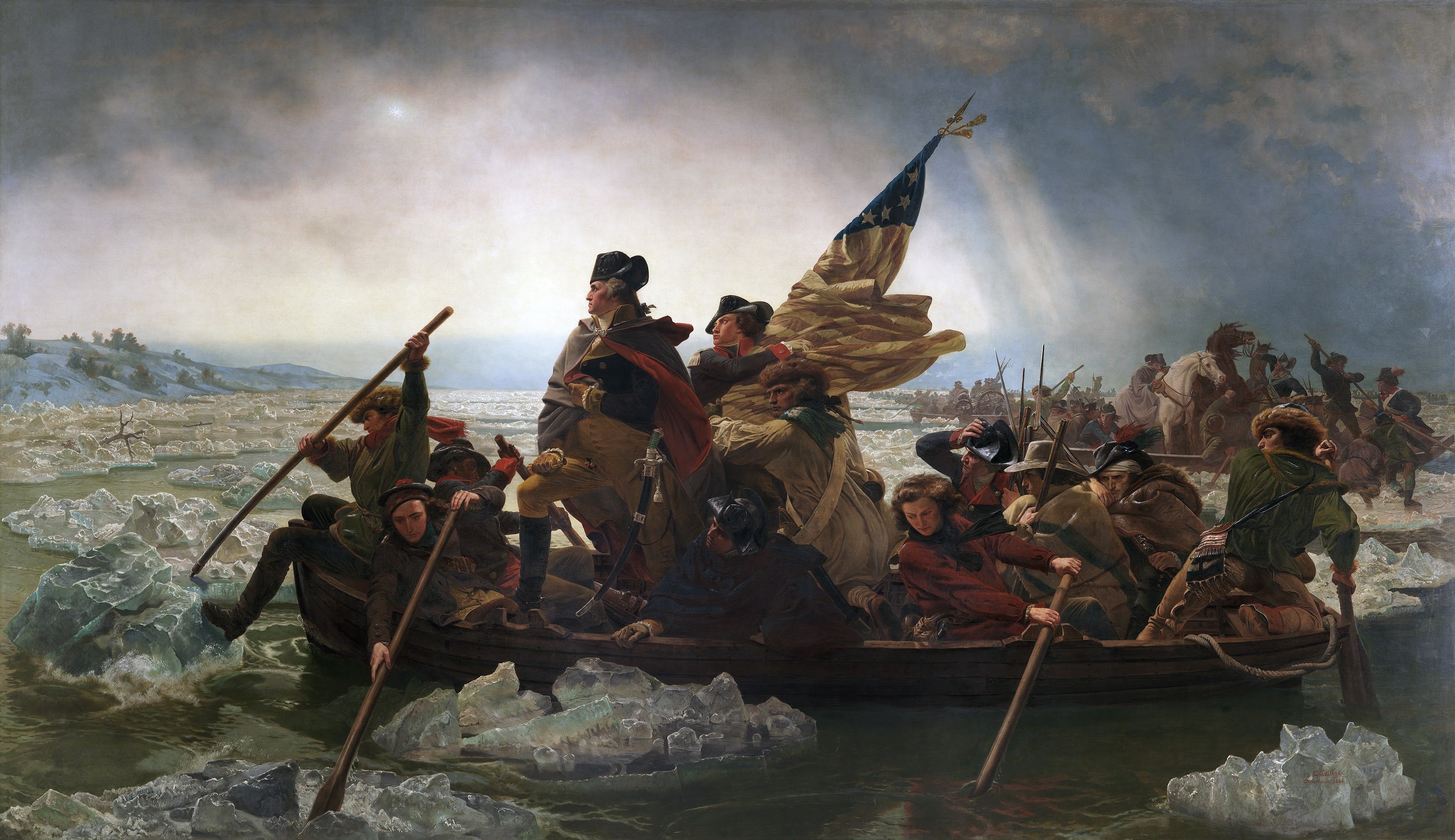
Fine Art / Getty ImagesAs for Washington’s wig, the single most famous powdered-wig president in American memory, well, he actually wasn’t wearing a wig. That iconic white hair was Washington’s own, and it wasn’t even white. He was a redhead who powdered his hair to make it look distinguished, because white hair read as wealth, wisdom and status. (His successors — Adams, Jefferson, and Madison — did go in for actual wigs, so the myth isn’t baseless, just misassigned.) Which is almost too perfect: the very hair we picture when we picture early-American dignity was a special effect.
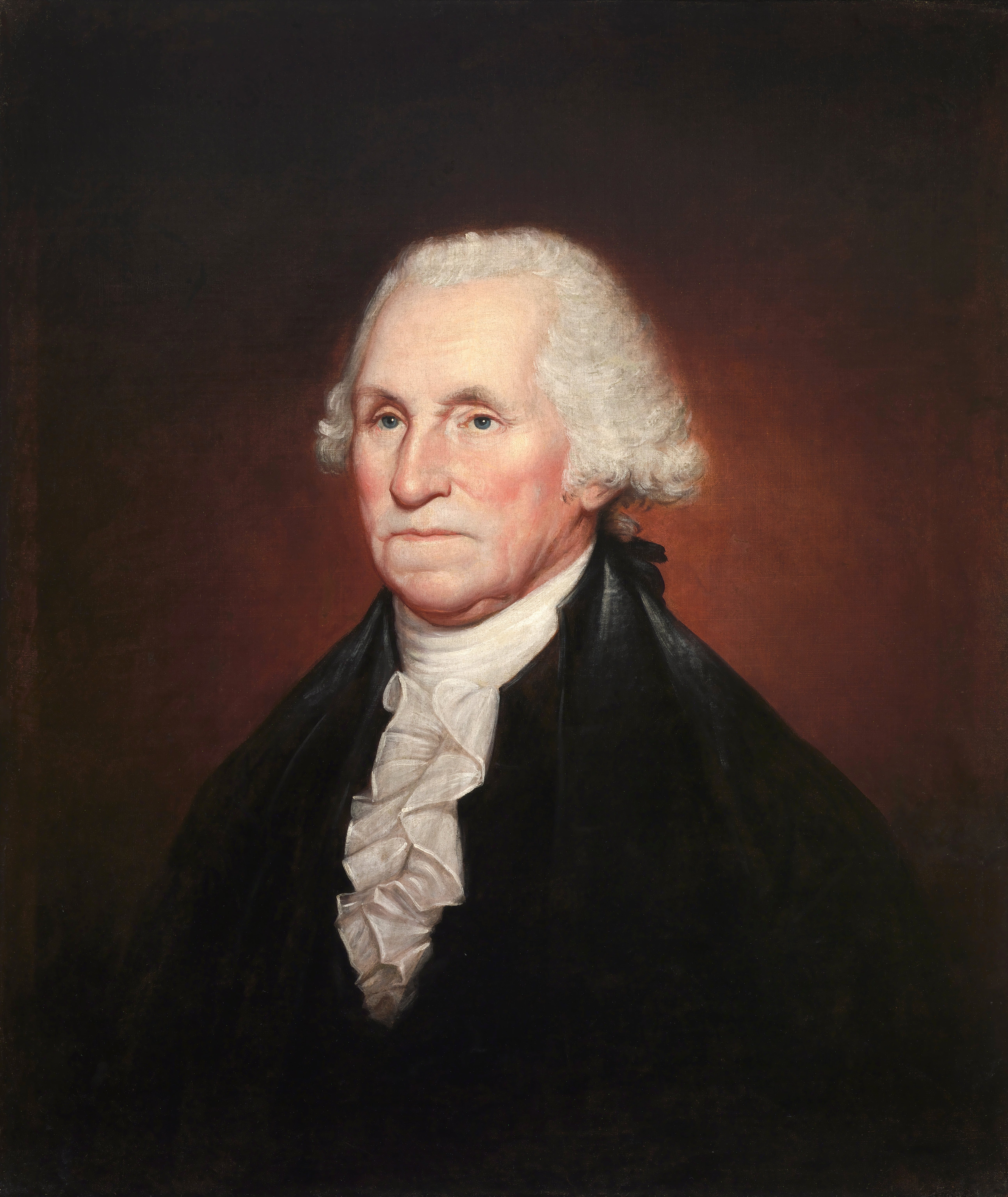
Fine Art / Getty ImagesThe Camera Changed EverythingWashington got to art-direct himself: the pose, the suit, the powder, the frame. The presidents who followed inherited a tool that didn’t flatter on command. Photography arrived, and with it a new question every president has faced since: not just how do I want to look, but who gets to decide?
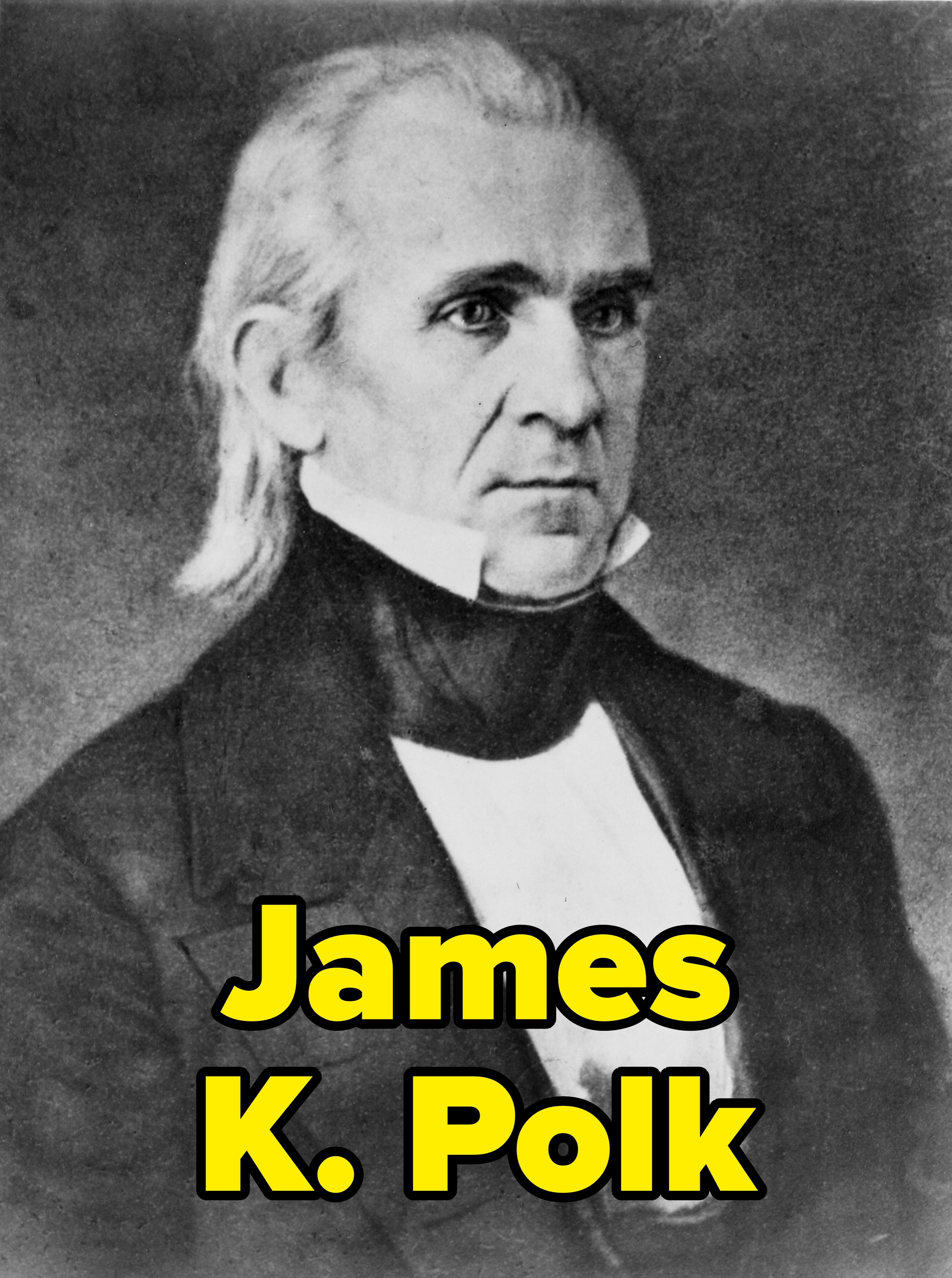
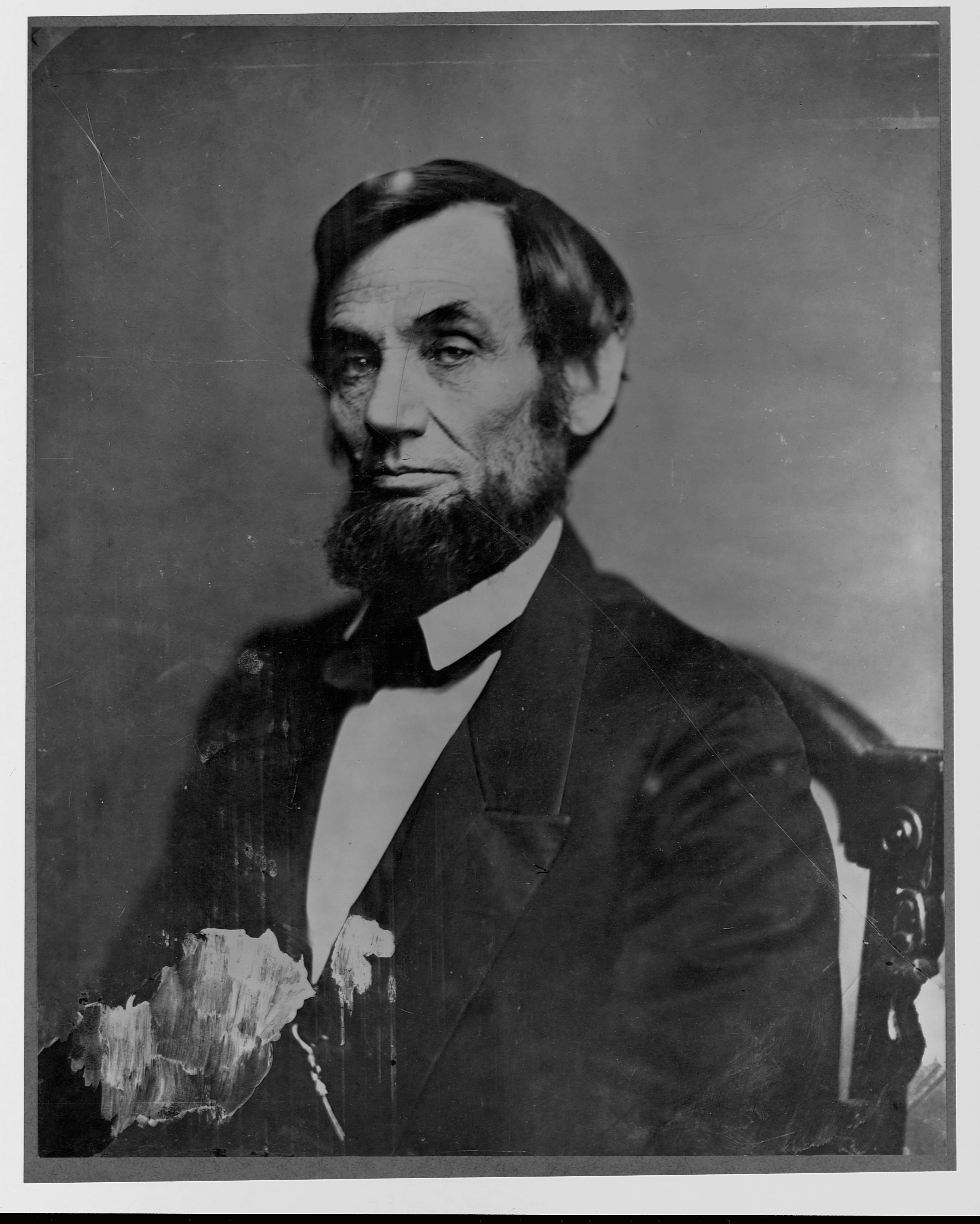
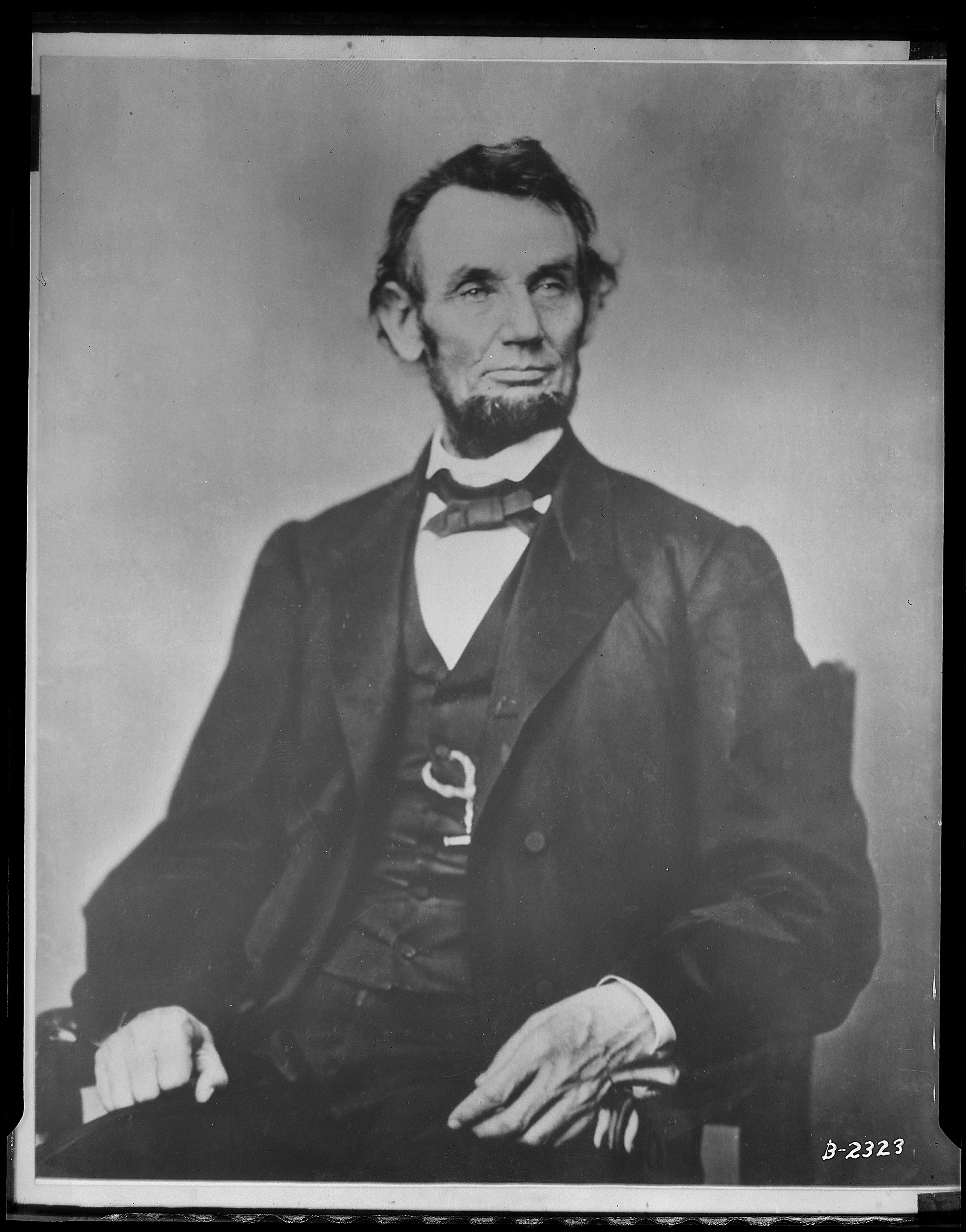
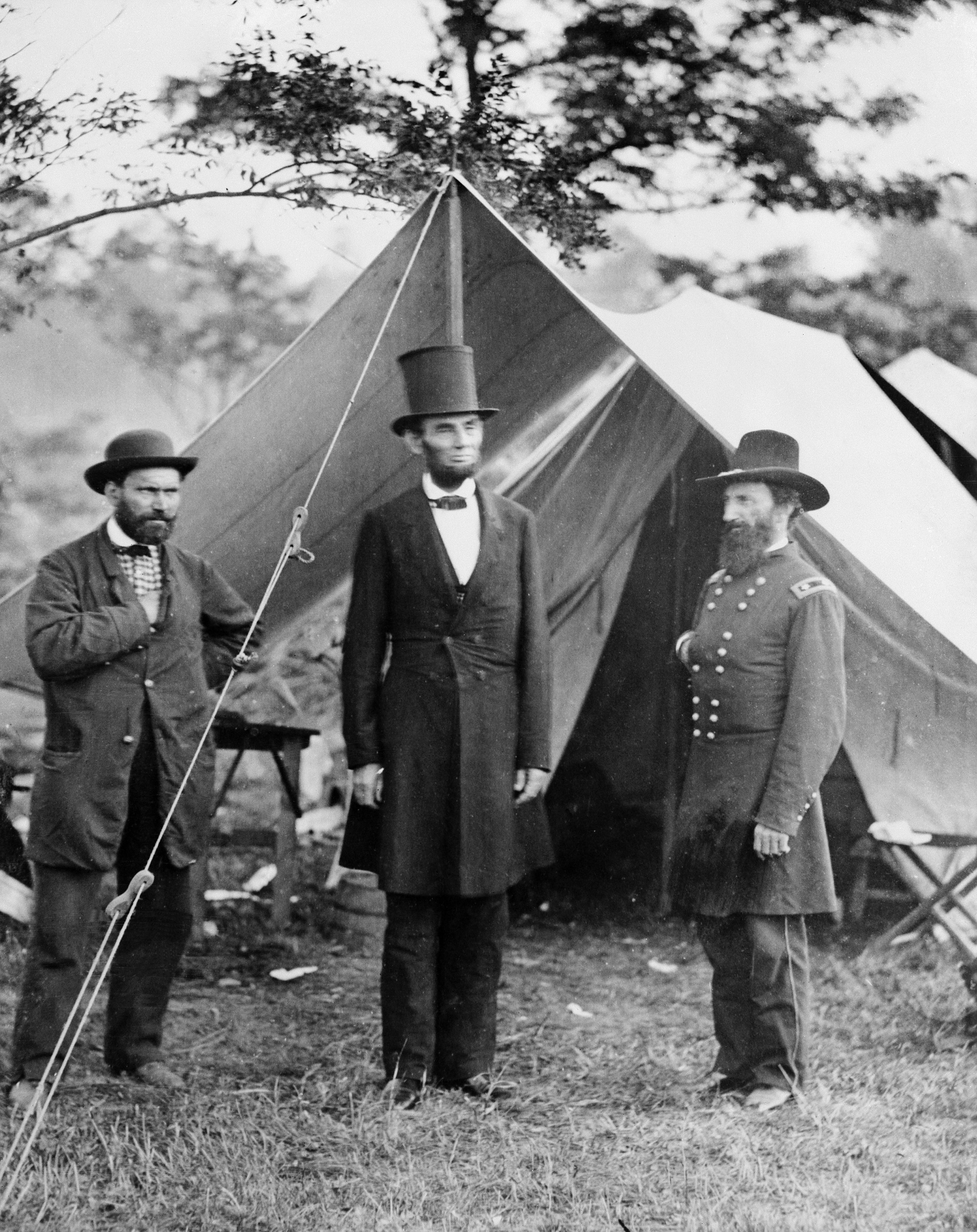
Universal History Archive / Getty Images, Library of Congress / Getty ImagesAbraham Lincoln walked into that question at the exact right moment. He was famously self-conscious about his appearance, all height and angles and a face he knew the camera didn’t love.
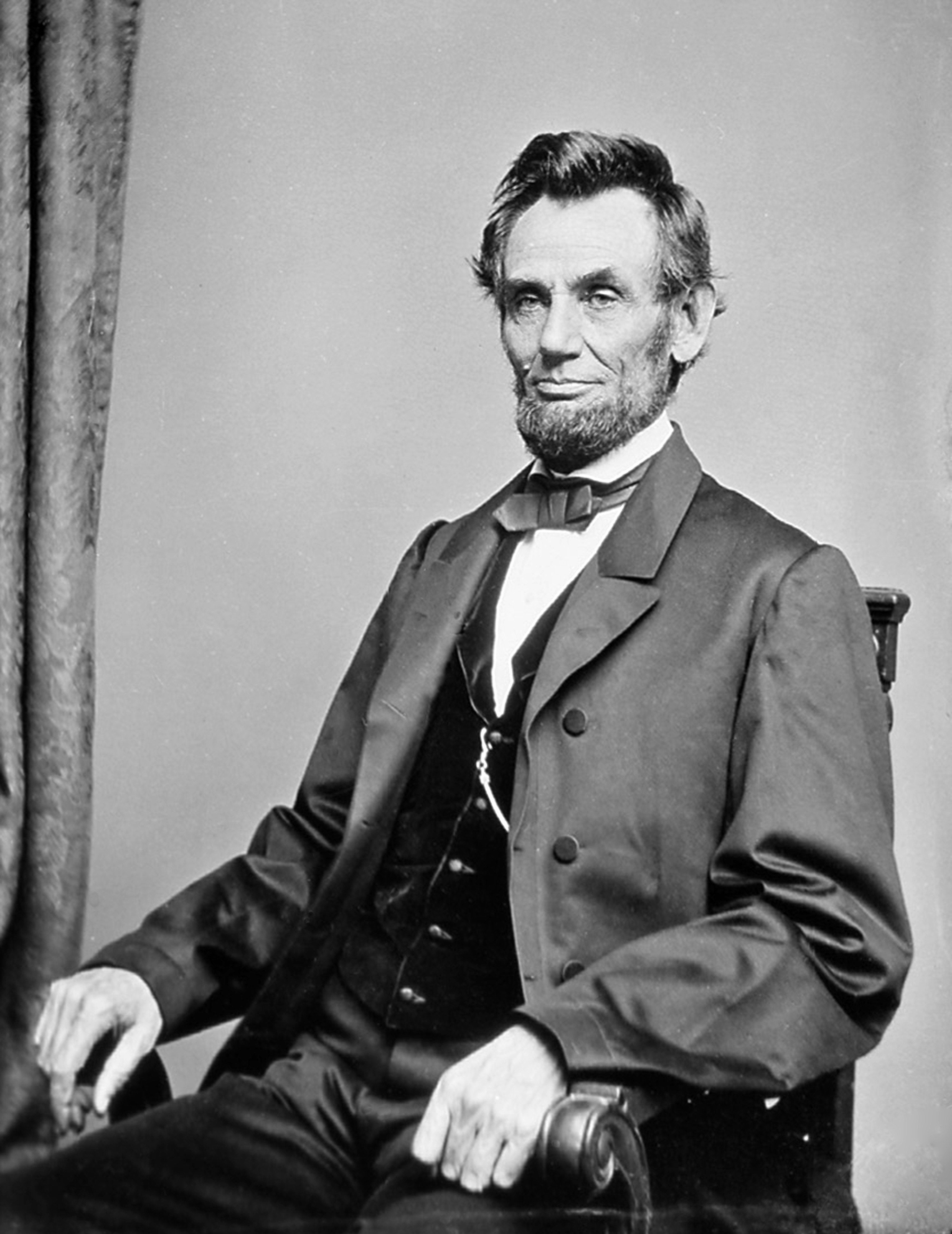
Donaldson Collection / Getty ImagesLee is careful to note that his concern was “about managing an appearance he knew was difficult rather than cultivating beauty or fashion,” so, preemptive damage control. But Lincoln also became president just as photographs started circulating on paper and cardstock, cheap enough to collect and small enough to mail.
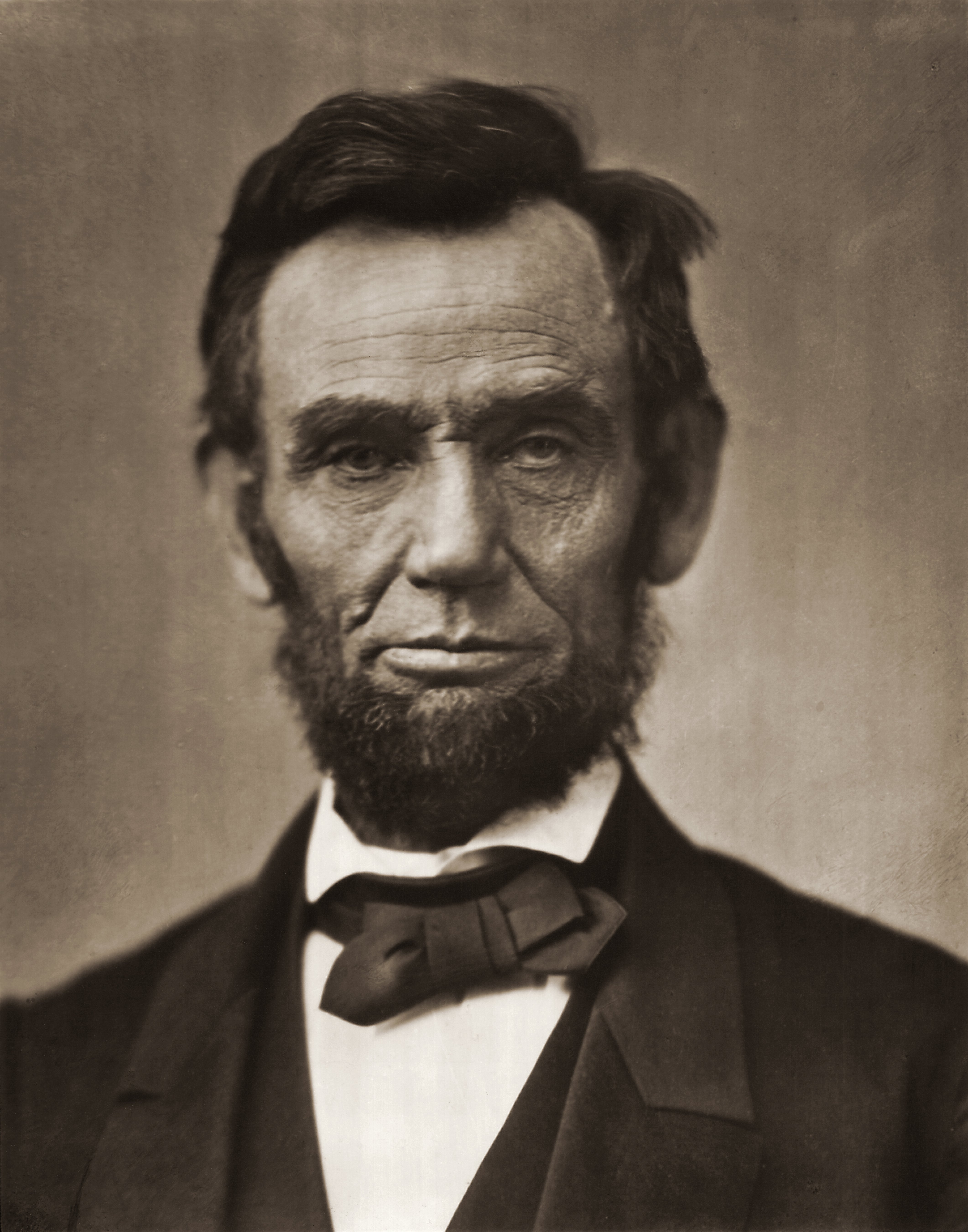
Stock Montage / Getty ImagesSuddenly you could “save them in albums, exchange them with friends or mail them to loved ones,” Finnegan said, an image economy nobody had before. And Lincoln understood this. “The question is more about who takes advantage of new media than it is whether or not they exhibit personal vanity,” Finnegan added. Lincoln grasped that a photograph could travel in a way a portrait never would, and he let it.
Library of Congress / Getty Images
Related: "I'm Not Going To Lie, This 2010s Trivia Quiz Will Make You Feel Ancient"
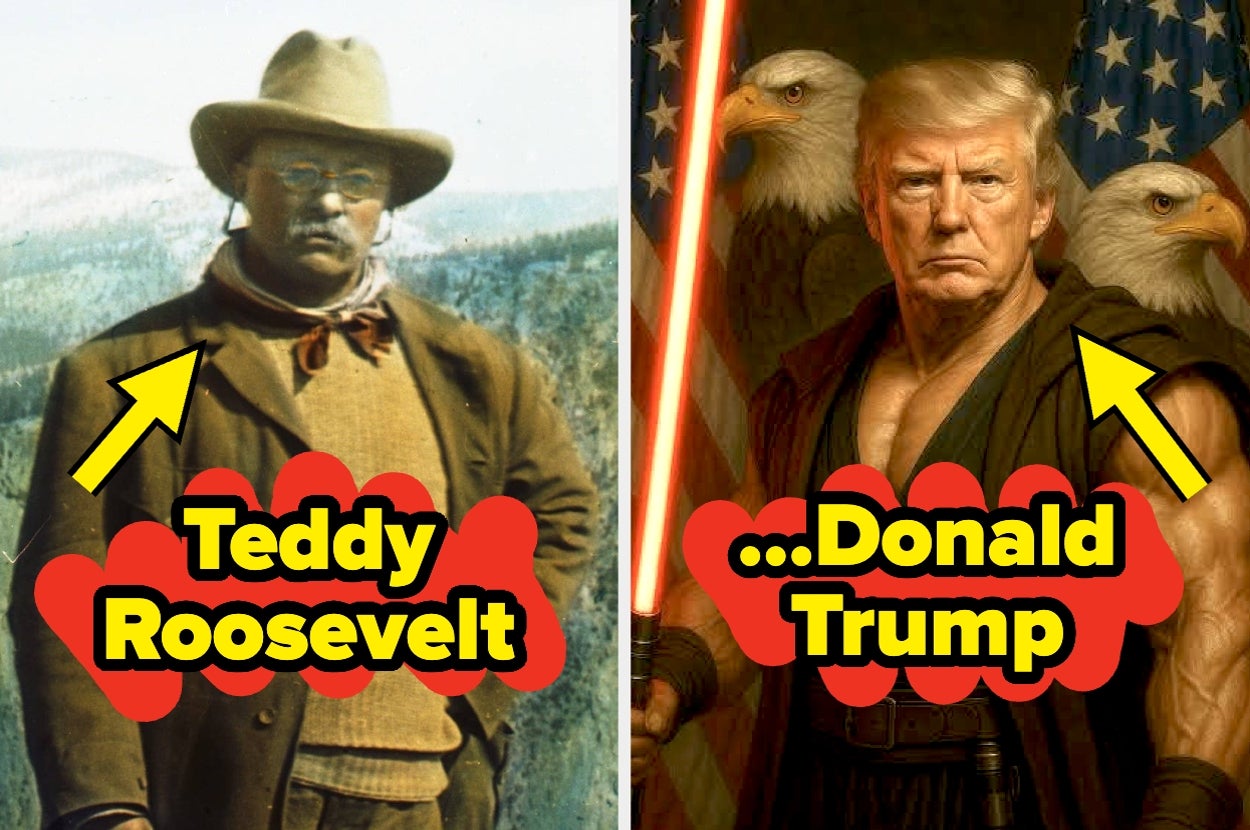
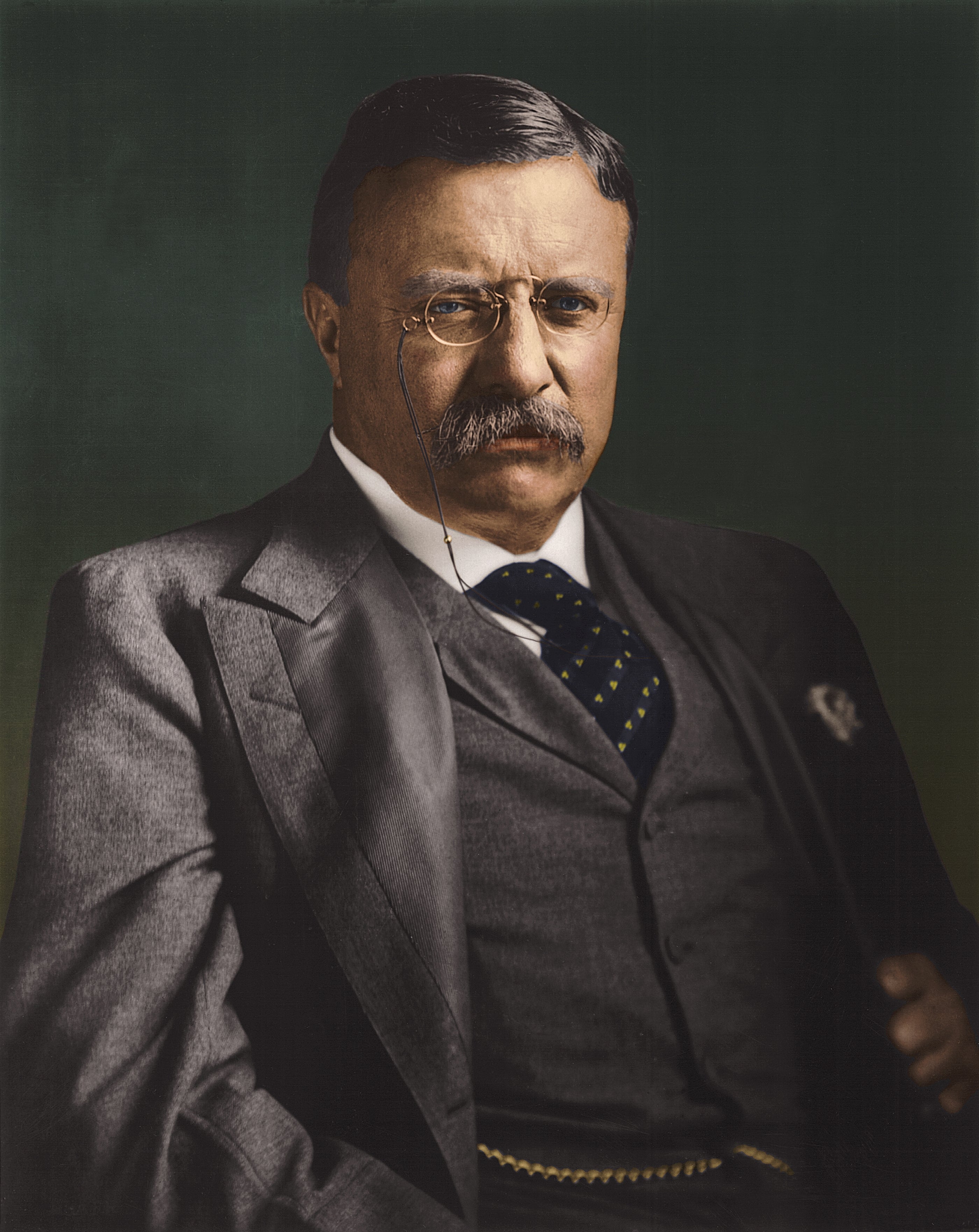
Theodore Roosevelt: The Brand AmbassadorTheodore Roosevelt took the next logical step: if a picture could travel, why not give it something unforgettable to carry? The riding clothes, the little round spectacles, the whole rugged-outdoorsman assembly — none of it was accidental.
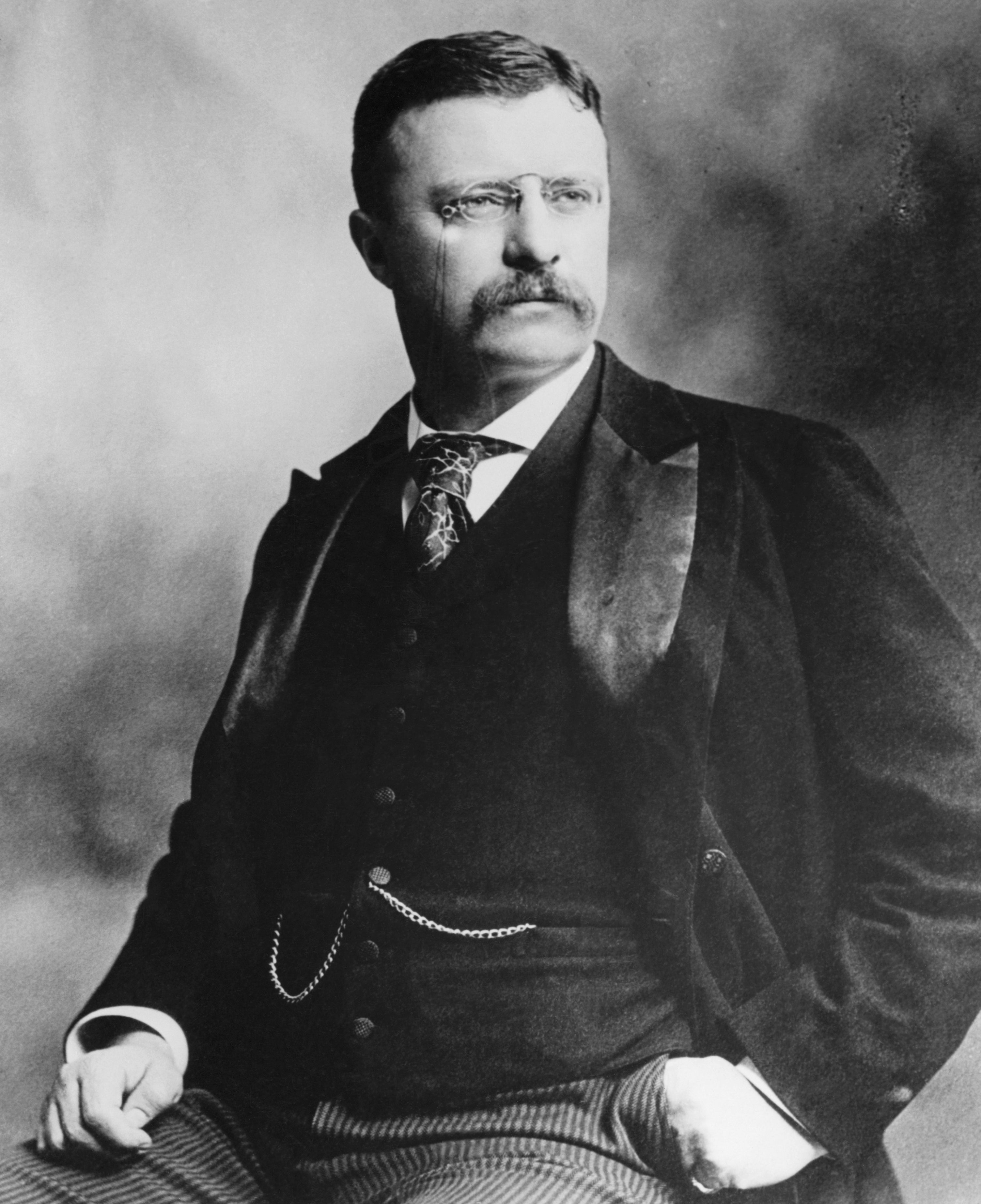
Bettmann / Getty ImagesLee describes Roosevelt as an early master of “presidential visual branding,” someone who understood “the power of clothing to construct a recognizable masculine identity.”
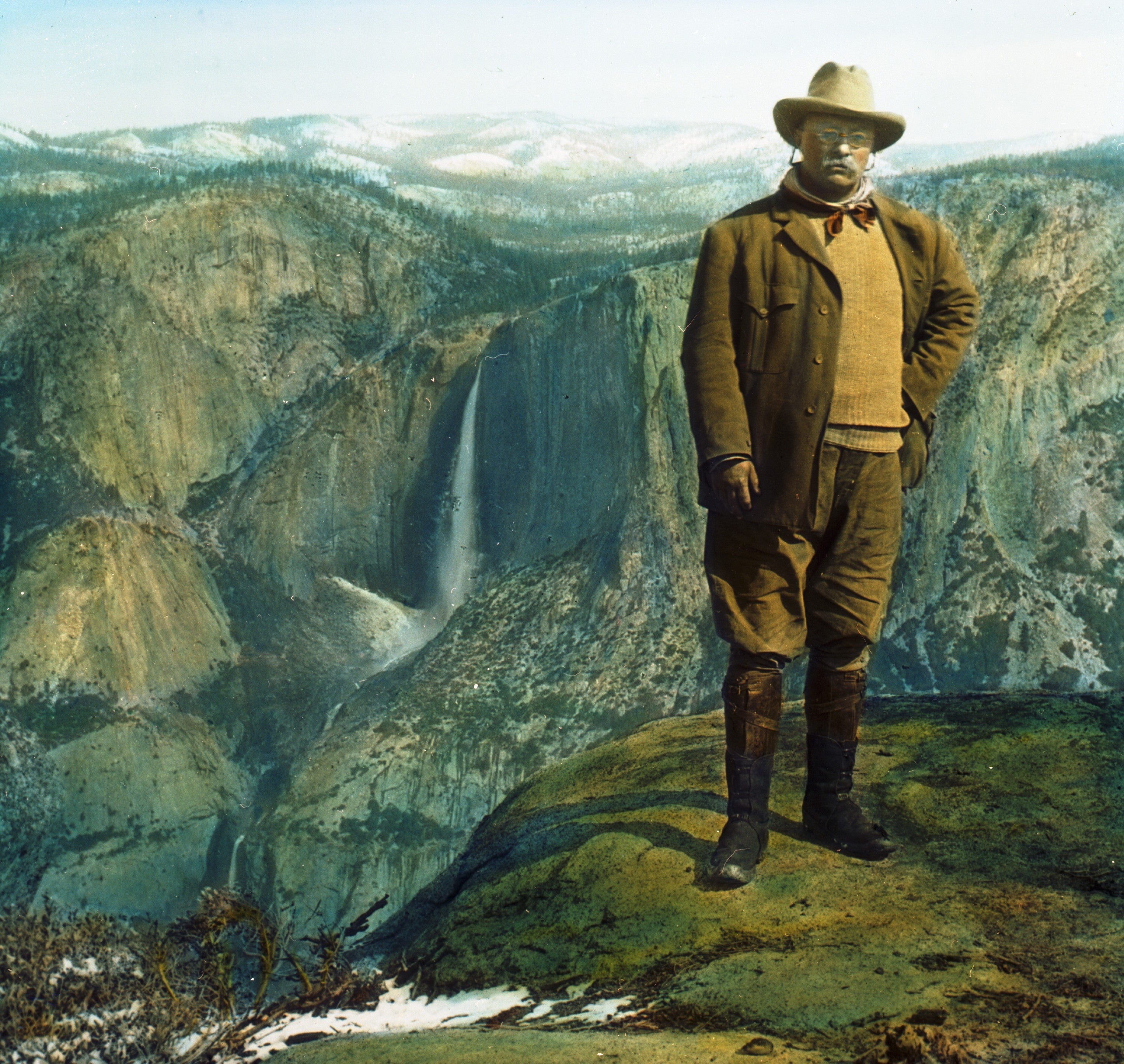
Archive Farms / Getty ImagesPut plainly, he built a logo out of himself. Long before a campaign had a color palette or a candidate had a “look,” you could recognize Roosevelt at a glance and sketch him in three words: glasses, mustache, Rough Rider. Few politicians before or since have been that easy to draw.
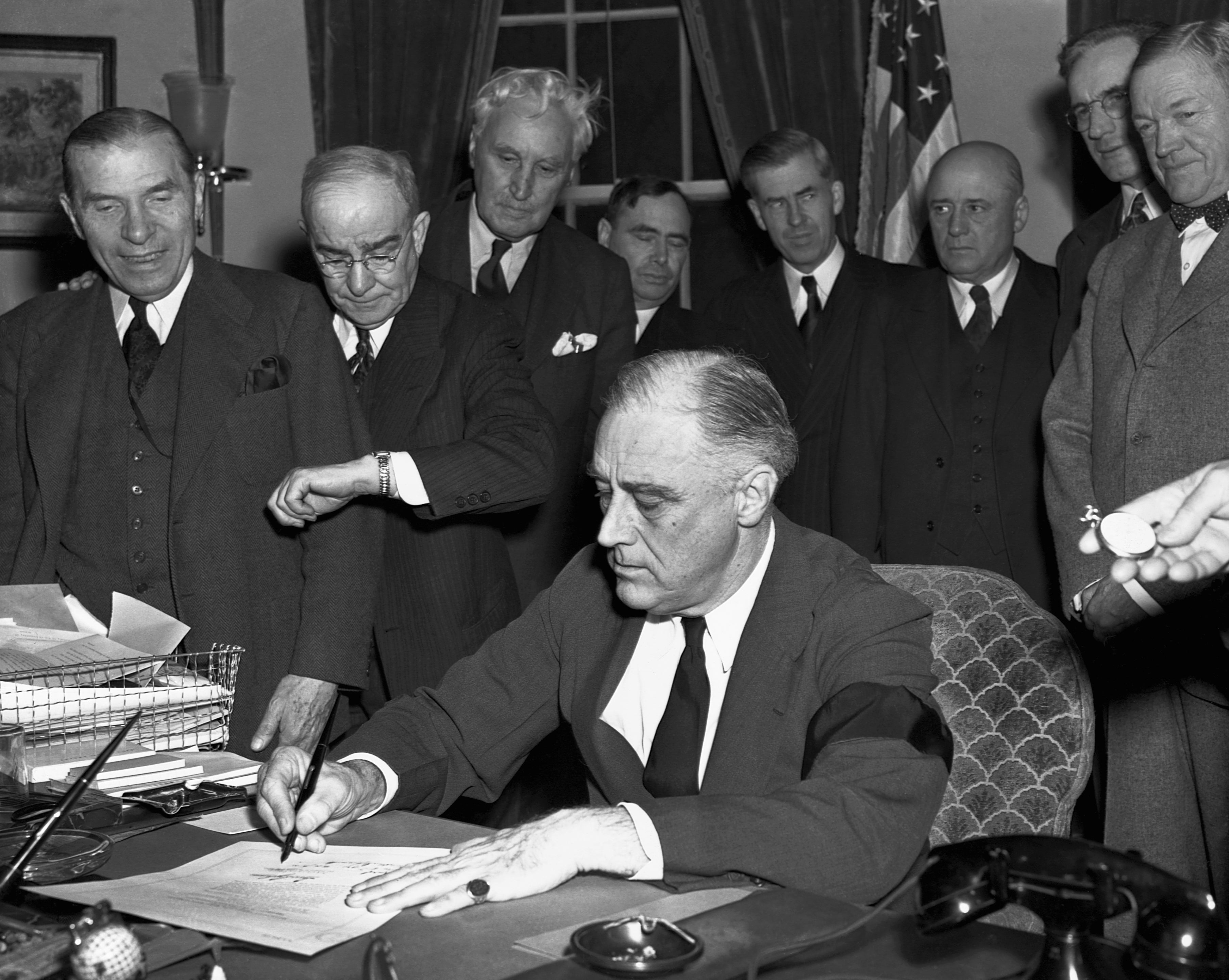
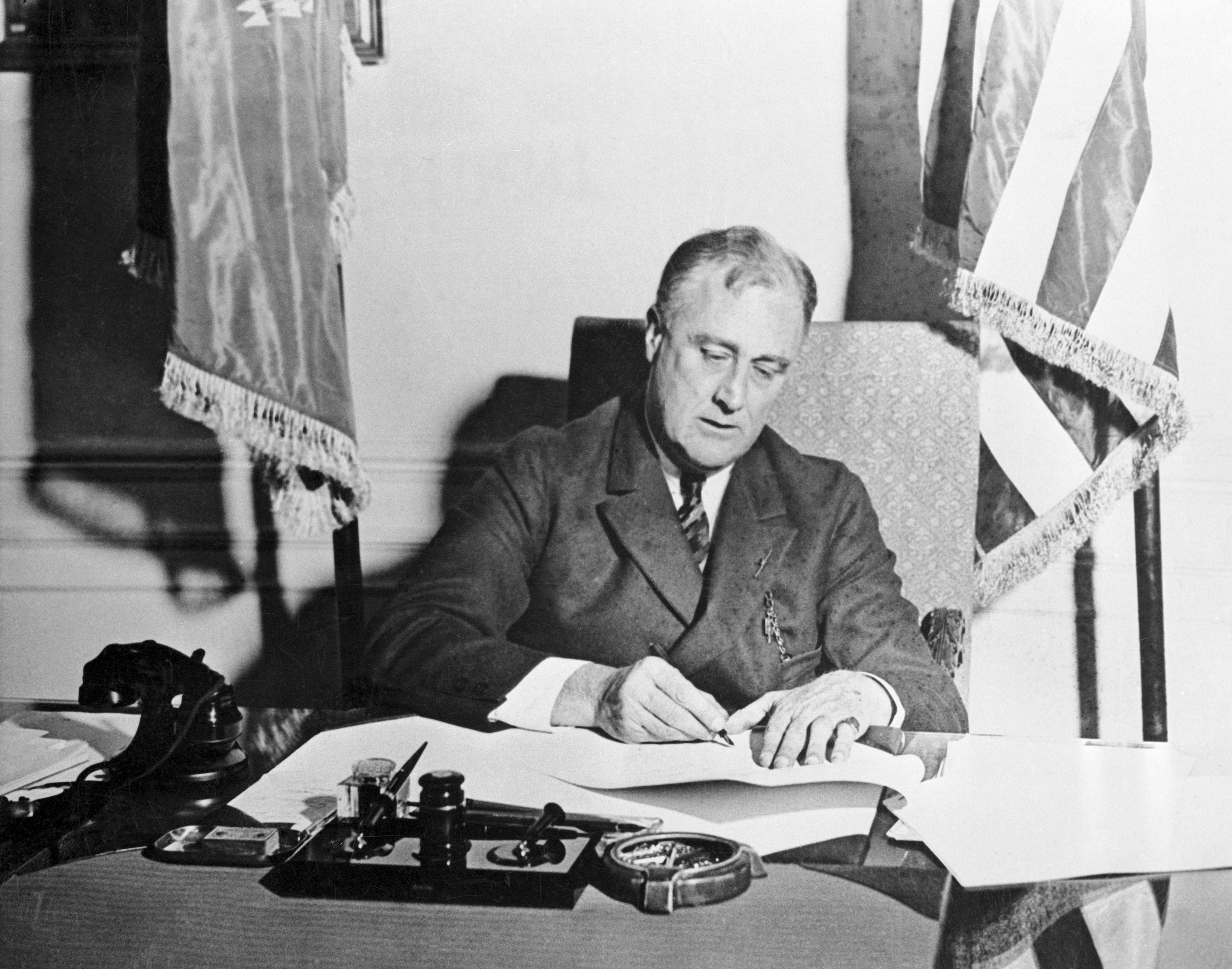
Stock Montage / Getty ImagesFranklin D. Roosevelt: The Master Of The EditFranklin D. Roosevelt understood something his cousin didn’t have to: that image control is more about what you don’t show than what you do show. FDR led the country through a depression and most of a world war from a wheelchair, and the American public seldom saw it.
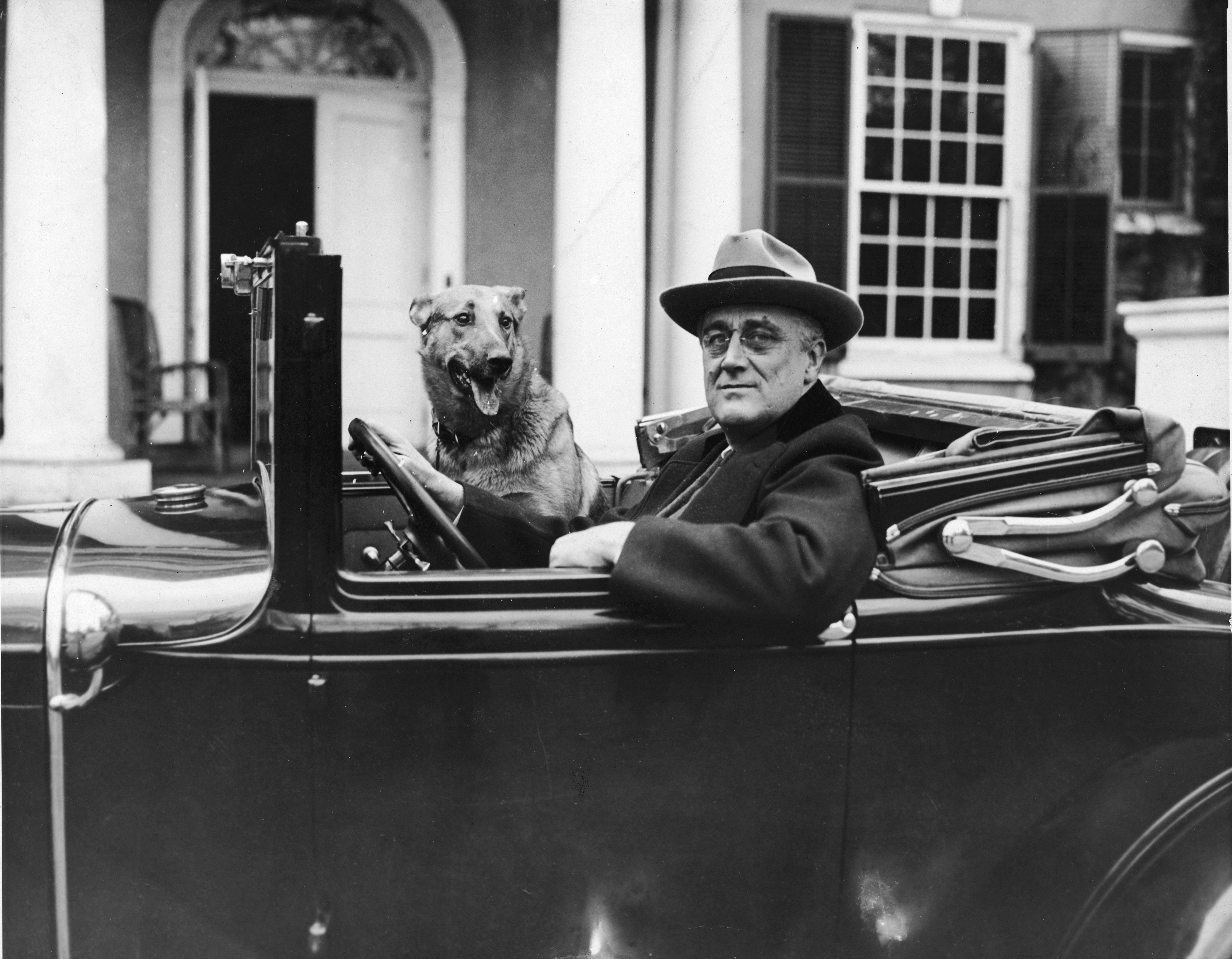
FPG / Getty Images“Photographs that showed his physical struggles with paralysis were generally suppressed from publication during his lifetime,” Lee said. “Only a very small number of photographs showing him using a wheelchair survive, and none were published during his lifetime.” Sit with that. A president spent 12 years as the most photographed man in the country, and one of the single most defining physical facts about him stayed entirely out of the frame.
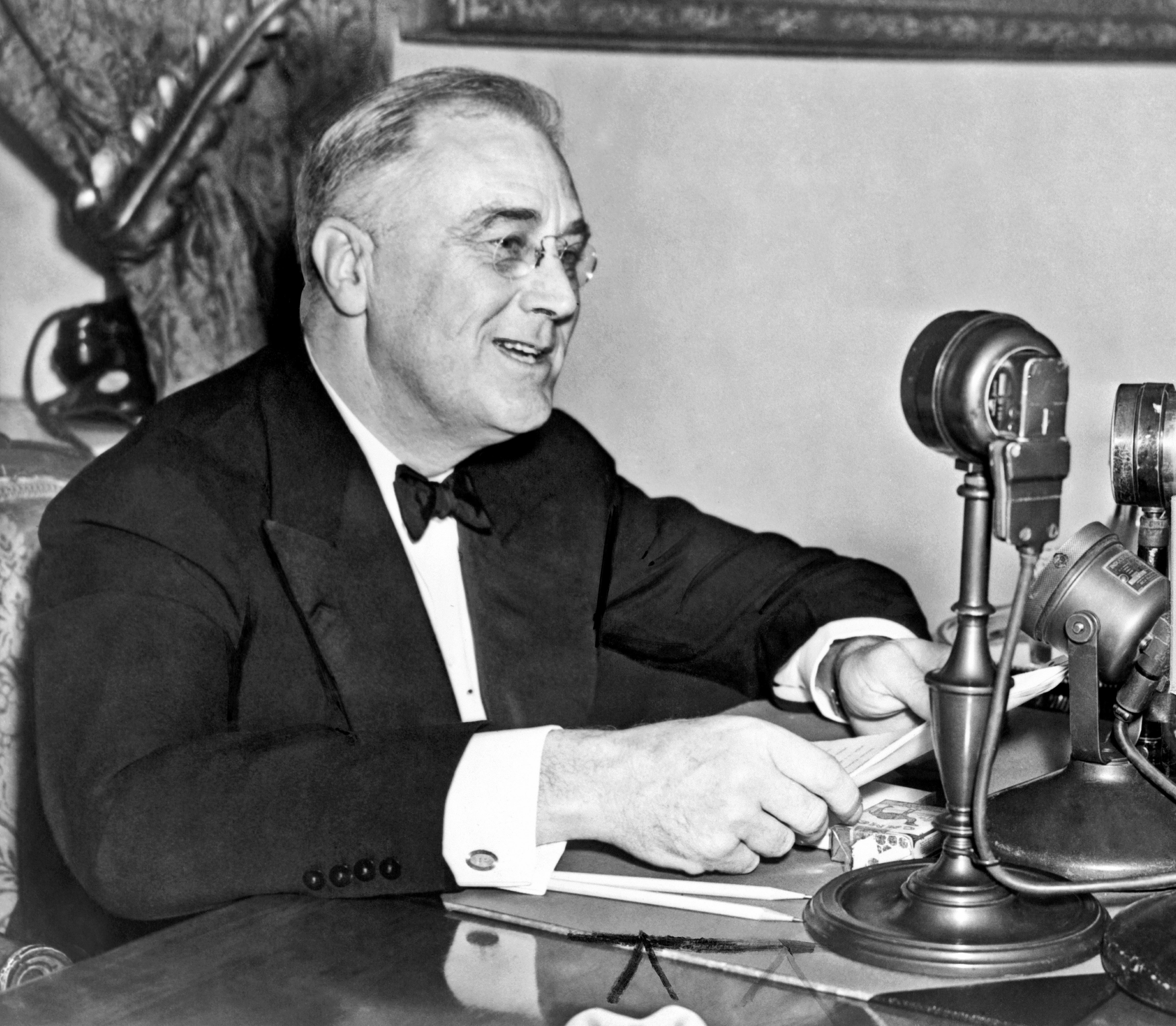
Underwood Archives / Getty ImagesHe had help. The press of the era operated on a gentleman’s agreement, declining to run pictures that would embarrass the president, whether out of patriotism, deference, or plain habit. It’s the part of the story that feels most alien now, because the arrangement that made FDR’s edit possible has vanished completely, which brings us to the part where the machine turns on its operators.
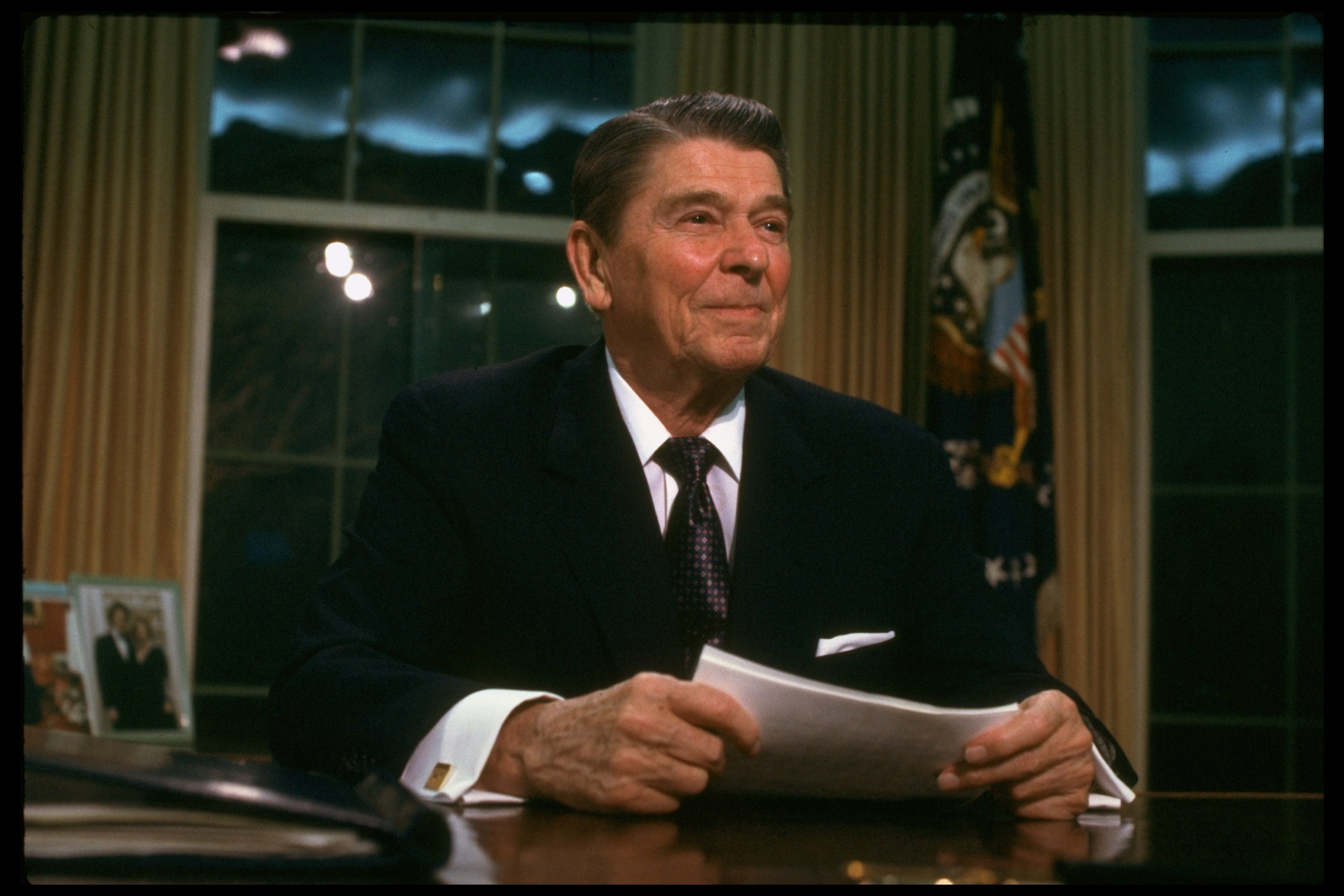
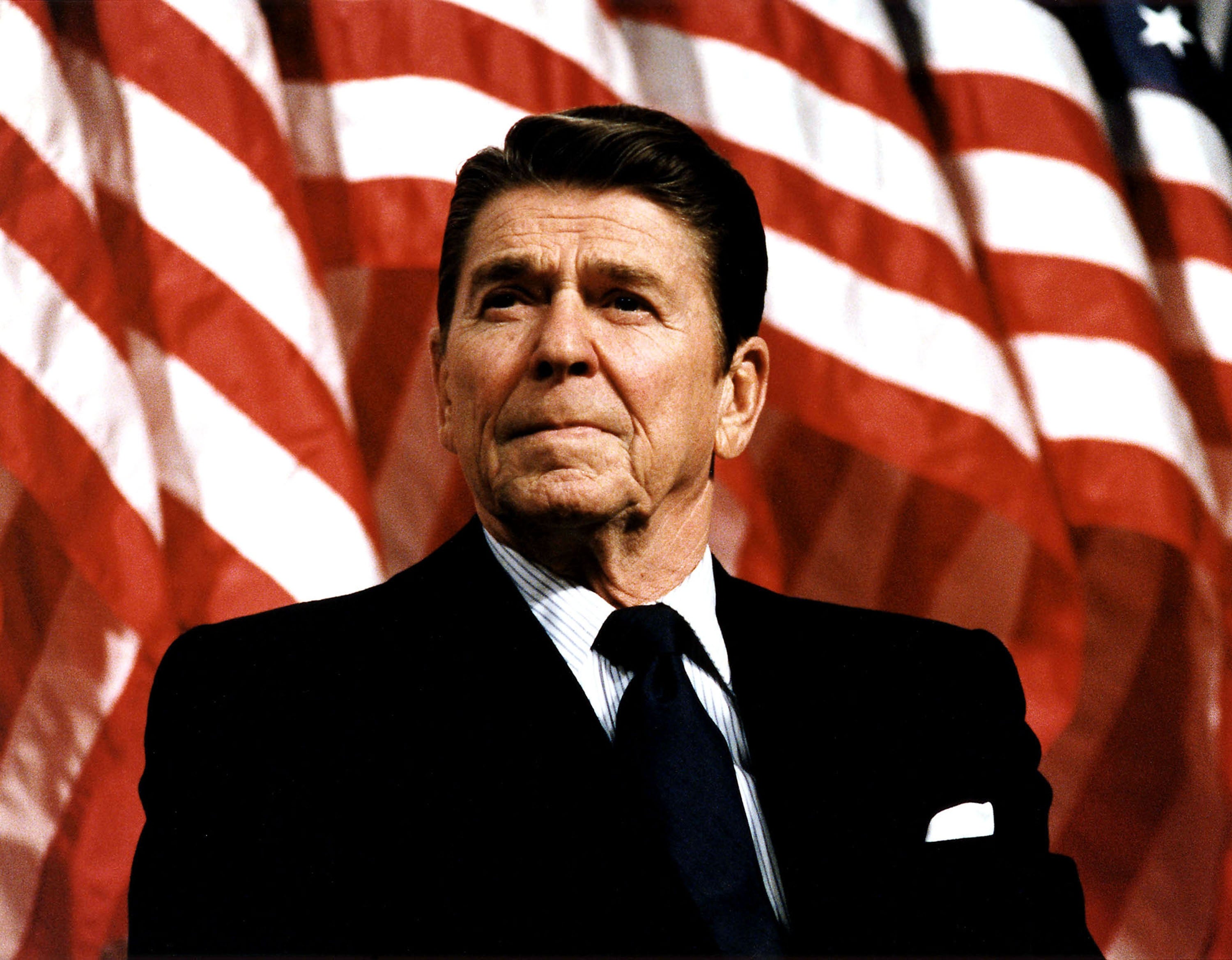
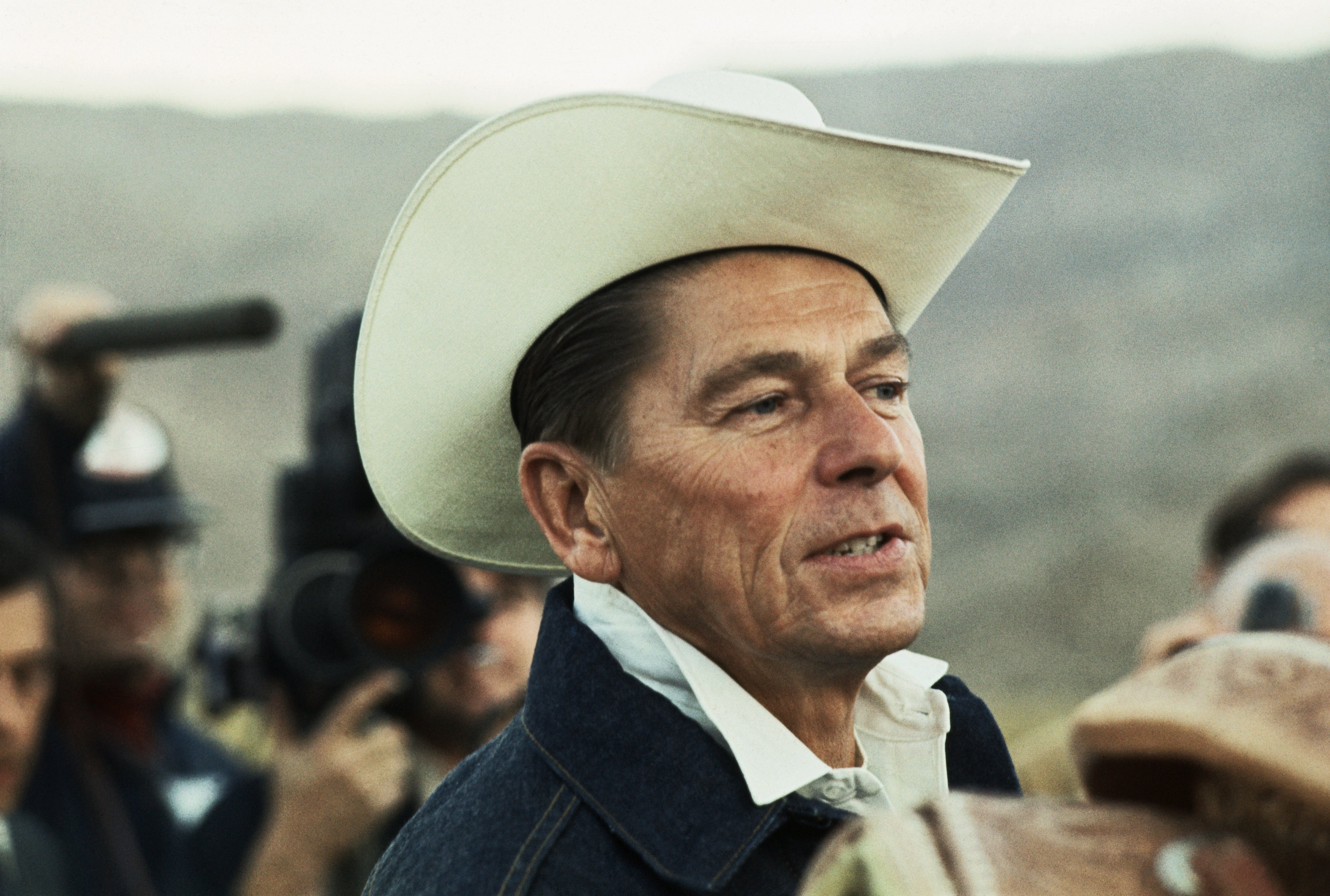
Bettmann / Getty ImagesTechnology In The Modern Age Presented A Loss Of ControlFor most of American history, the presidential image was a one-way mirror: presidents, or the people working for them, decided what the public saw. Ronald Reagan may have been the last to hold that mirror steady. He arrived from Hollywood, already fluent in the optics of power, and deployed those tricks with the precision of someone who’d spent a lifetime in front of a camera.
Getty Images / Getty Images
Related: "17 Painful Moments When People Realized Their Family Was Super Toxic"
Advertisement
Lee notes that “there is quite a bit of evidence that he consciously applied techniques he had learned as an actor to his political appearance.” She points to his longtime aide Michael Deaver, who recalled the oversized shirt collars (to make his head look bigger), the pompadour (to shave off years), the Beverly Hills tailoring (to flatter the frame). Every detail was a calculated move for the lens.
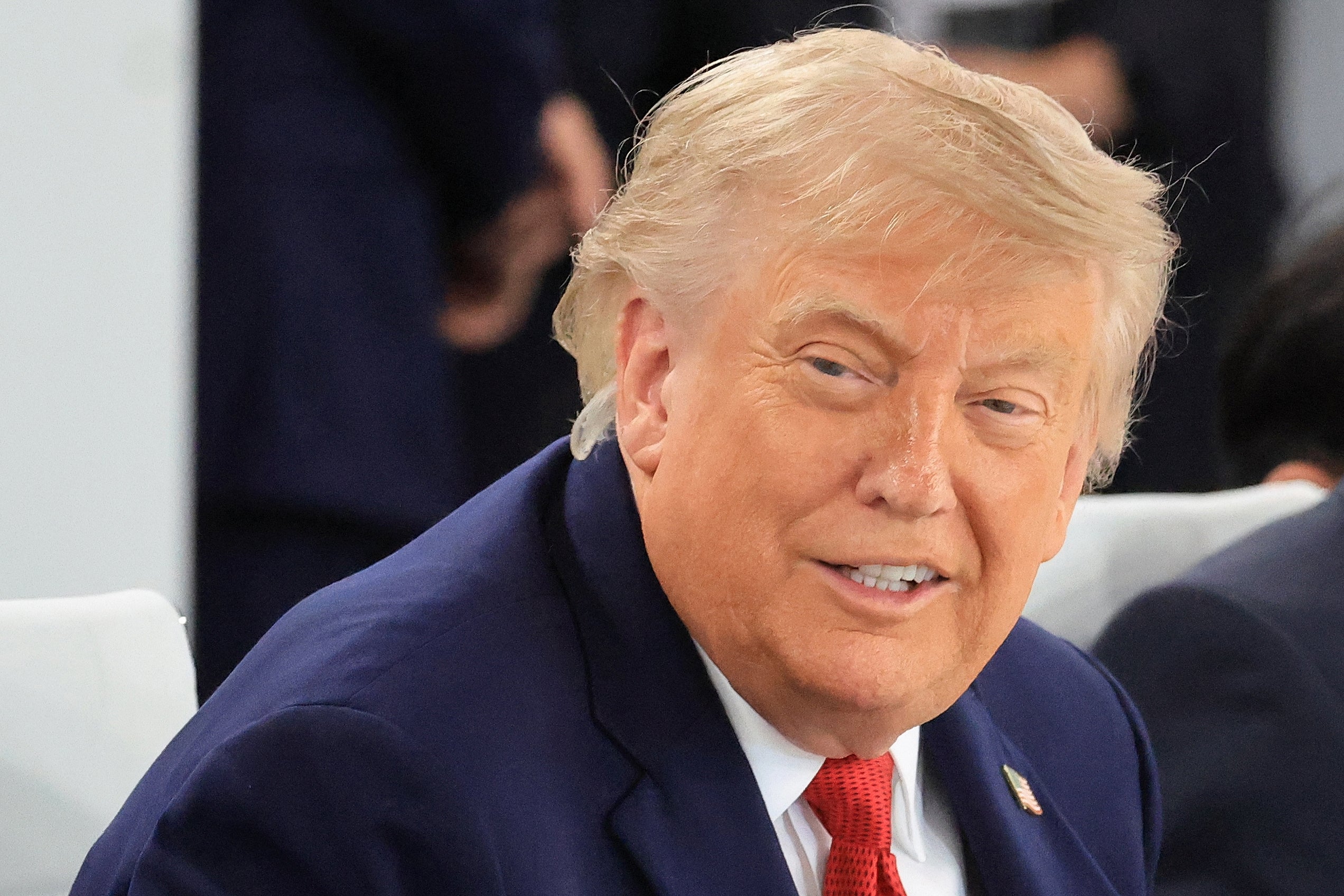
Bettmann / Getty ImagesBut then the spotlight slipped, permanently. Donald Trump left behind one of the most exhaustive archives of self-styled presidential imagery: the hair, the orange tan, the suits. He was, after all, the first president who’d already spent a career in the image trade, hosting a reality show and running the Miss Universe pageant for nearly two decades. Who better to master the presidential picture than a man who’d spent years judging other people’s?
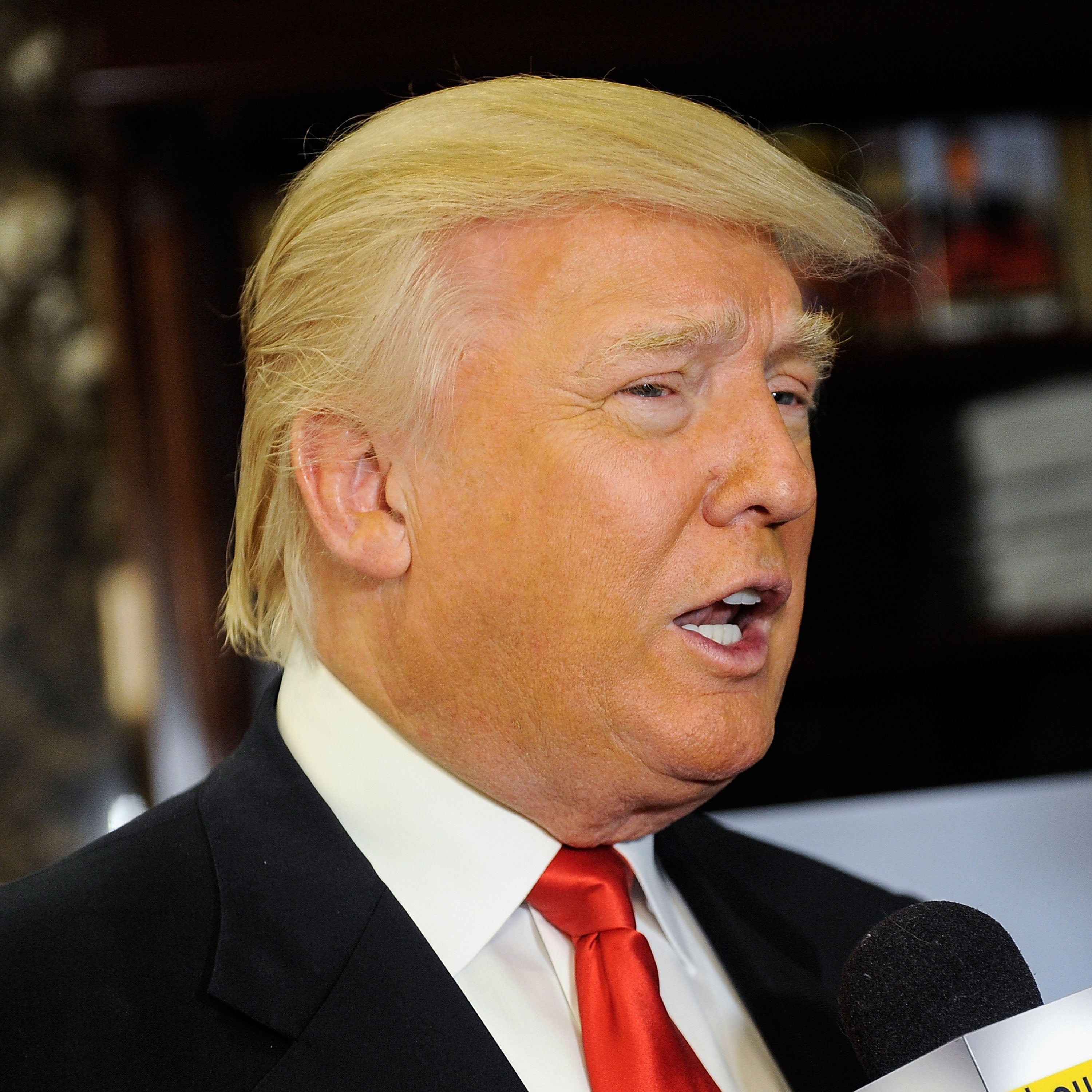
Matthew Eisman / Getty ImagesIn another era, that kind of meticulous preening could have produced a Reagan-style mastery. Instead, Trump’s presidency landed in an era when everyone carries a camera, and everyone knows how to edit. His staged moments compete with millions of candid shots he didn’t approve, plus a growing pile of AI images of events that never happened.
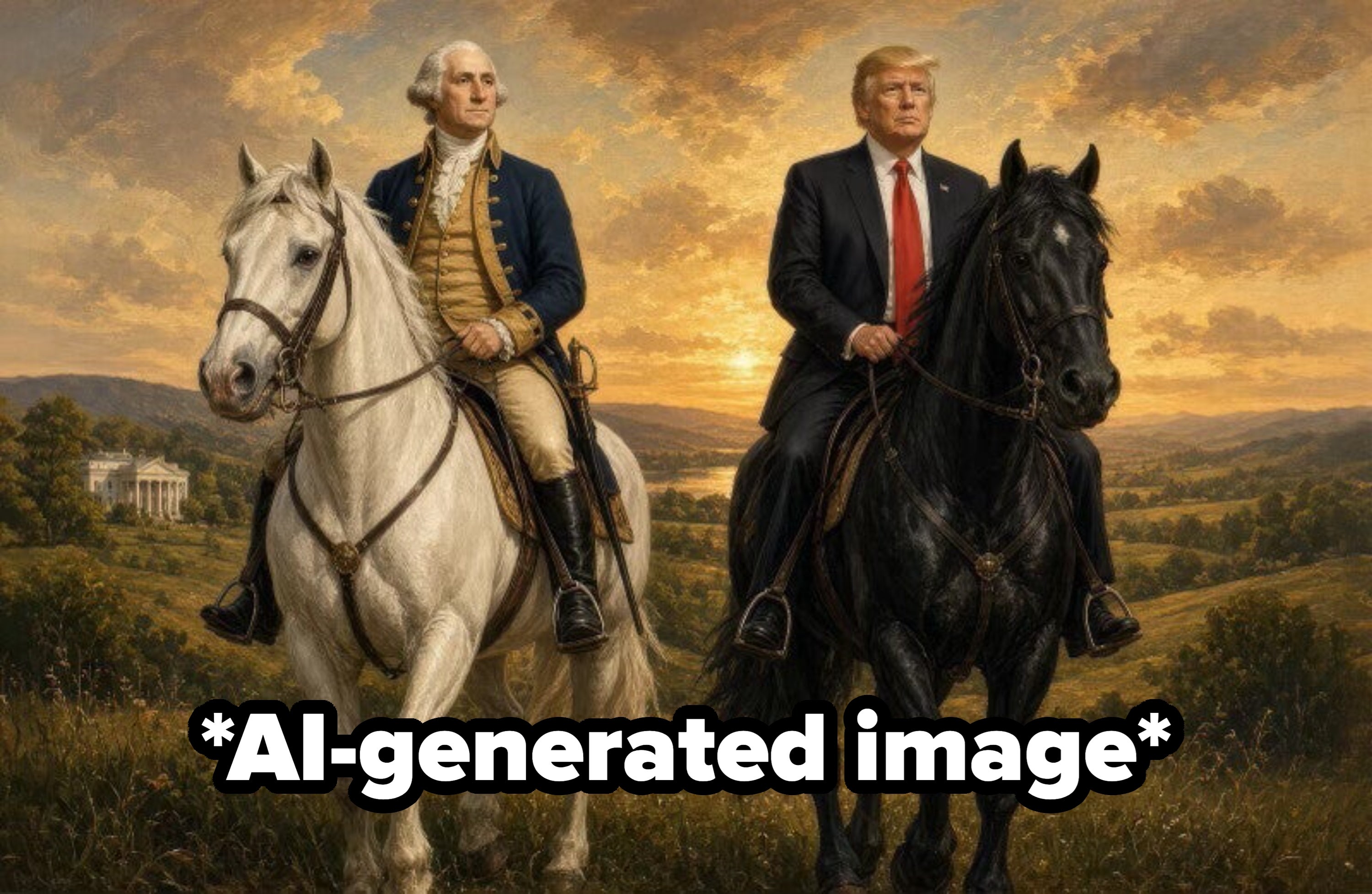
Truth Social/@realdonaldtrumpThe irony is hard to miss: the president who spent years dismissing unflattering stories as “fake news” is now one of the most prolific publishers of fake images in American politics. He’s posted AI slop of himself on horseback beside Washington, and even an AI video of Barack Obama being arrested by the FBI. Every president before him fought to control what the camera caught. Trump no longer needs a camera, or even reality, to shape how the public sees him.
LUDOVIC MARIN / Getty ImagesThe Men Who Fussed Over Their Looks Aren’t The Ones Who Mastered Their ImageArthur’s hoard of pants got him a nickname and a footnote. Washington’s two-outfit wardrobe put him on the dollar bill. Van Buren’s grooming lost him an election. Lincoln, who was convinced he was ugly, read the camera better than any of them.
Smith Collection/Gado / Getty ImagesWhat separates them was never who cared most about how he looked. It’s who seized his moment before it passed him, and who got stranded when the moment changed.
Bettmann / Getty ImagesThat’s the thread running all the way from a powdered head of red hair to an AI-generated portrait of a president as a jacked, sword-wielding warrior he never was, in a battle he never fought. The wish to control the image is the one constant. Everything else — the speed, the scale, the permanence, the question of who is even holding the camera, and lately whether there needs to be a camera at all — is up for grabs.
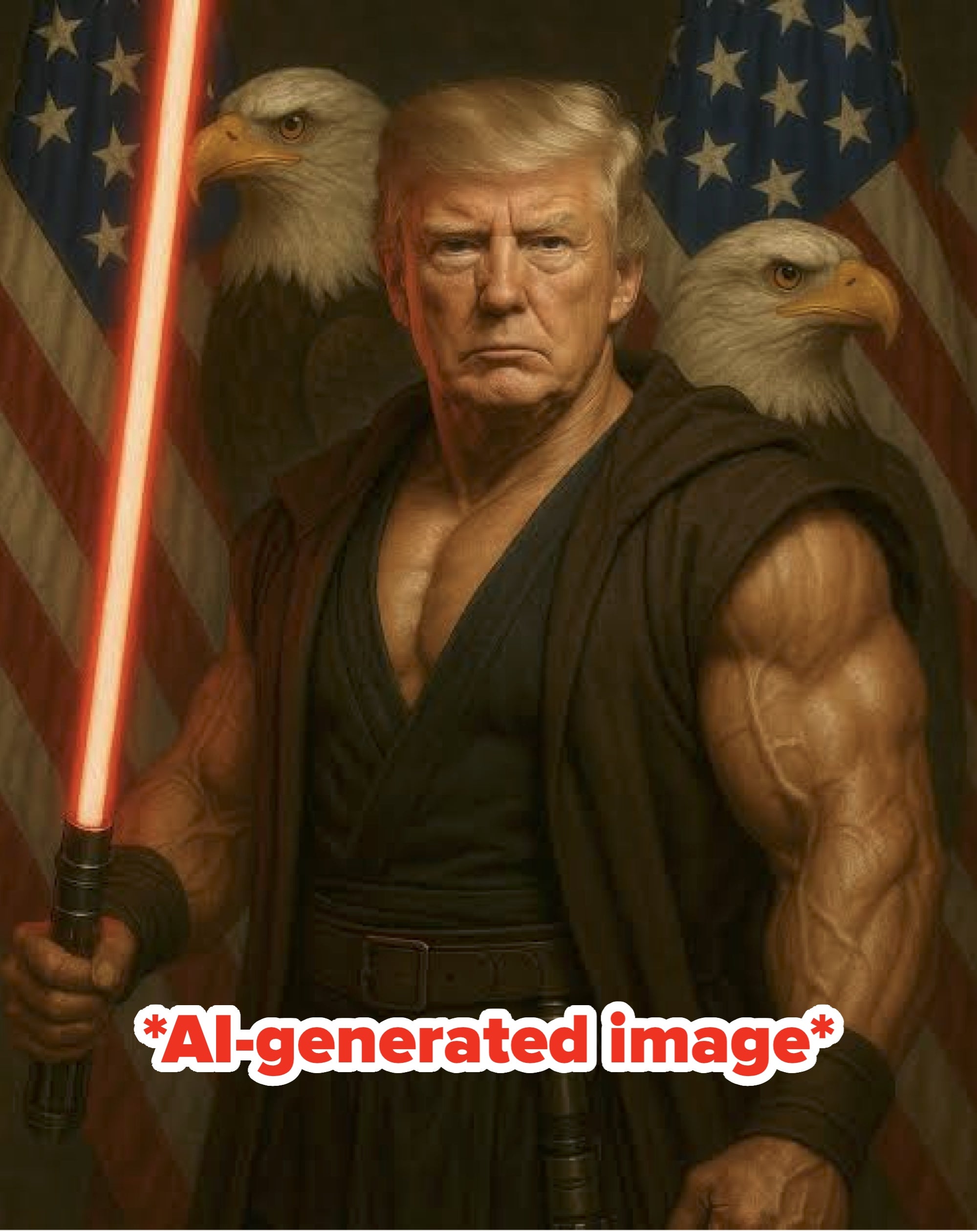
@realDonaldTrump, Alexander Gardner / Getty Images
This article originally appeared on HuffPost.
Your daily brain workout: Can You Solve This Easy, 1-Level Word Chain?
Also in Rewind: "29 Photos That Show How Drastically The World Has Changed Since 1970"
Also in Rewind: "Gen Z Is Begging Millennials To Stop Doing These \"Annoying\" Things"
Read it on BuzzFeed.com
Source: “AOL Entertainment”
