


Pork pie maker sounds alarm over fat jabs
Pork pie maker sounds alarm over fat jabs

Tom HaynesSun, September 27, 2026 at 3:03 PM UTC
0
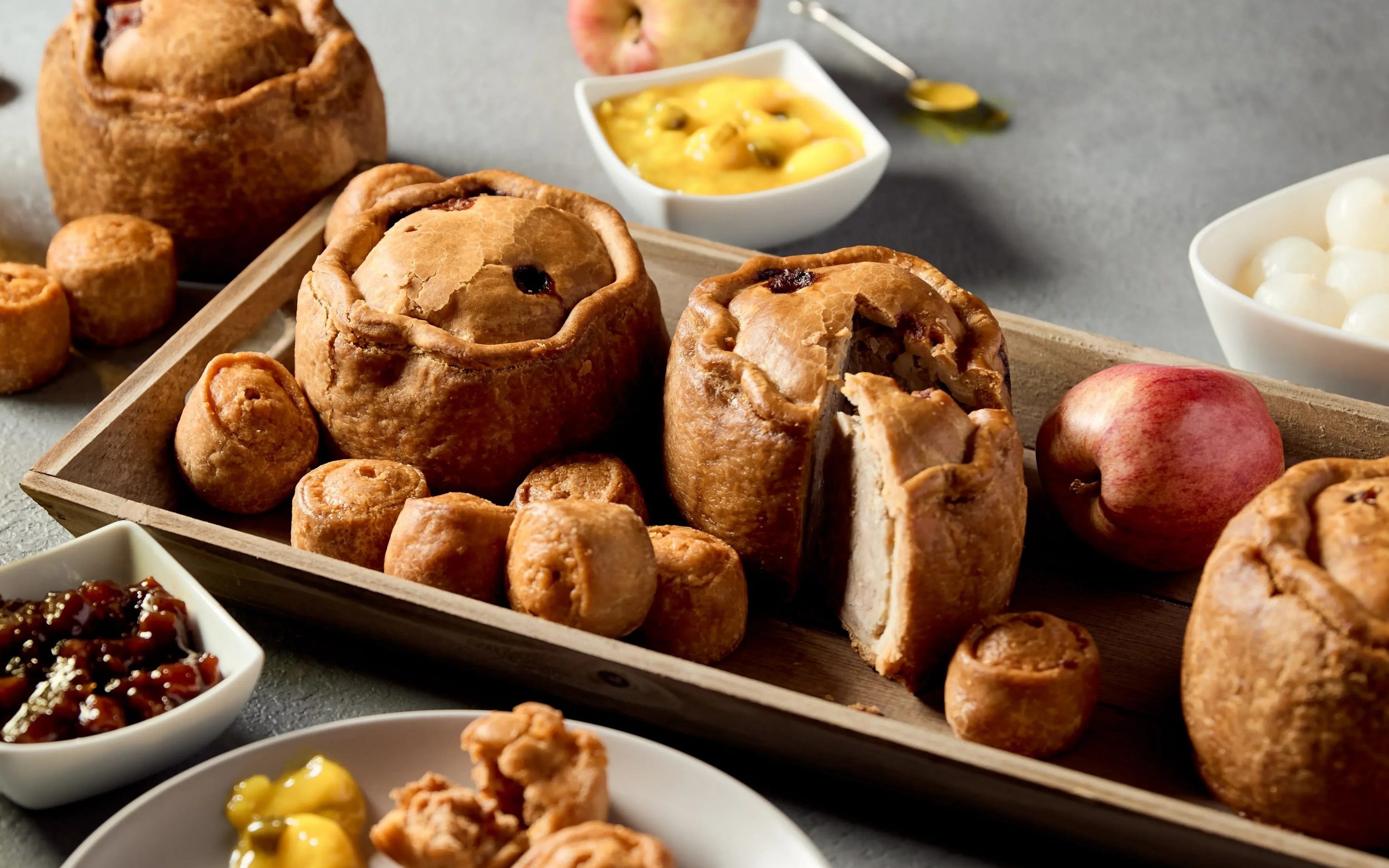
Samworth Brothers pork pies. Samworth Brothers, which is one of the country’s biggest manufacturers of pork pies
One of Britain’s biggest pork pie manufacturers has sounded the alarm over how weight-loss jabs are affecting its business.
Samworth Brothers, the £1.8bn food group that makes Melton Mowbray pork pies, said the drugs were “having an impact on demand and customer preferences”.
The family-owned manufacturer said in recently filed accounts that it was monitoring the growing use of appetite-suppressing drugs and was developing new products as eating habits changed.
In its annual report, Samworth Brothers cited fat jabs as among a “demanding but navigable set of challenges” it faced this year.
The warning comes as millions of Britons turn to treatments such as Mounjaro and Wegovy to lose weight.
Research by Worldpanel by Numerator found that 1.9 million adults in Great Britain were taking weight-loss medication this year, with 6.3pc of households containing at least one user. That has risen sharply from 4.1pc last year.
Households where at least one member is on weight-loss drugs spent £418 less on groceries than those where no one was on the jabs, according to Worldpanel. The biggest effect was on snacking, with sales of chocolate and crisps falling.
It presents a headache for Samworth Brothers, which is one of the country’s biggest pork-pie manufacturers under its Dickinson & Morris brand. The company also owns pasty and sausage-roll makers Ginsters, West Cornwall Pasty Company and Higgidy, which makes pies, quiches and snacking rolls sold in supermarkets.
Advertisement
Research by PwC found that 70pc of people taking glucagon-like peptide-1 (GLP-1) drugs spent less on snacks and confectionery. At the same time, 60pc said they were spending more on fresh food and 54pc on high-protein products.
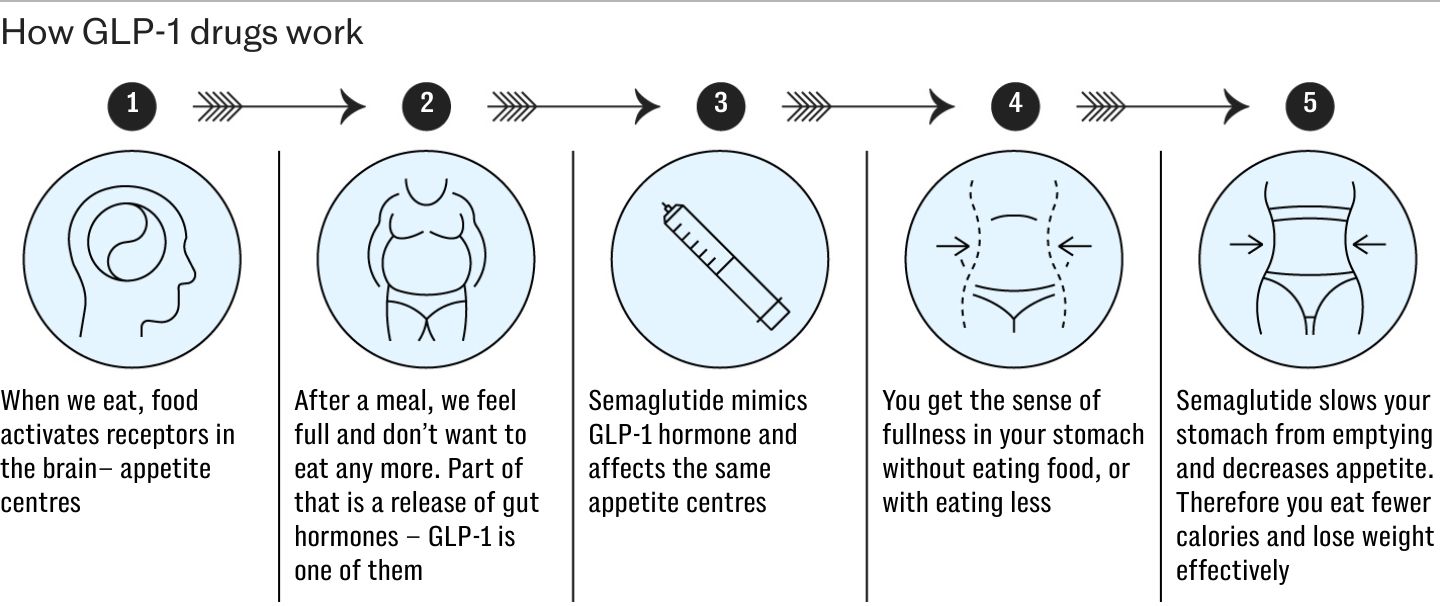
PwC estimated the number of adults using GLP-1 drugs could rise from about three million to seven million, equivalent to 13pc of the adult population.
Despite the warning, Samworth Brothers’ sales rose strongly last year. Revenue rose 8pc to £1.8bn, and operating profit increased to £65.6m, from £61.6m a year earlier.
Mark Samworth, the company’s chairman, wrote in the company’s accounts: “As anticipated, 2025 proved challenging, with sharp increases in labour, energy and supply chain costs driven by higher National Insurance, above-inflation rises in the National Living Wage, and persistently high UK energy prices.
“Nevertheless, I am pleased to report another year of sound progress.”
Mr Samworth, the fourth generation of the family to run the business, attributed the strong performance to management’s long-term view. He said this was possible because the 125-year-old company was family-owned.
“Along with many other family businesses, economists and commentators, we continue to highlight the short-sightedintroduction of punitive new taxes on UK family businesses and farms,” he wrote.
“Family businesses contribute an estimated £422bn in tax receipts and employ nearly 16 million people. Their vital contribution deserves greater recognition, and UK‑owned family businesses should not be unfairly disadvantaged by taxation relative to foreign‑owned competitors.”
Source: “AOL Money”
