


Micky Dolenz Reflects on 'I'm a Believer' 60 Years After Its Release
Micky Dolenz Reflects on 'I'm a Believer' 60 Years After Its Release

Andrea ReiherTue, November 24, 2026 at 11:12 AM UTC
98
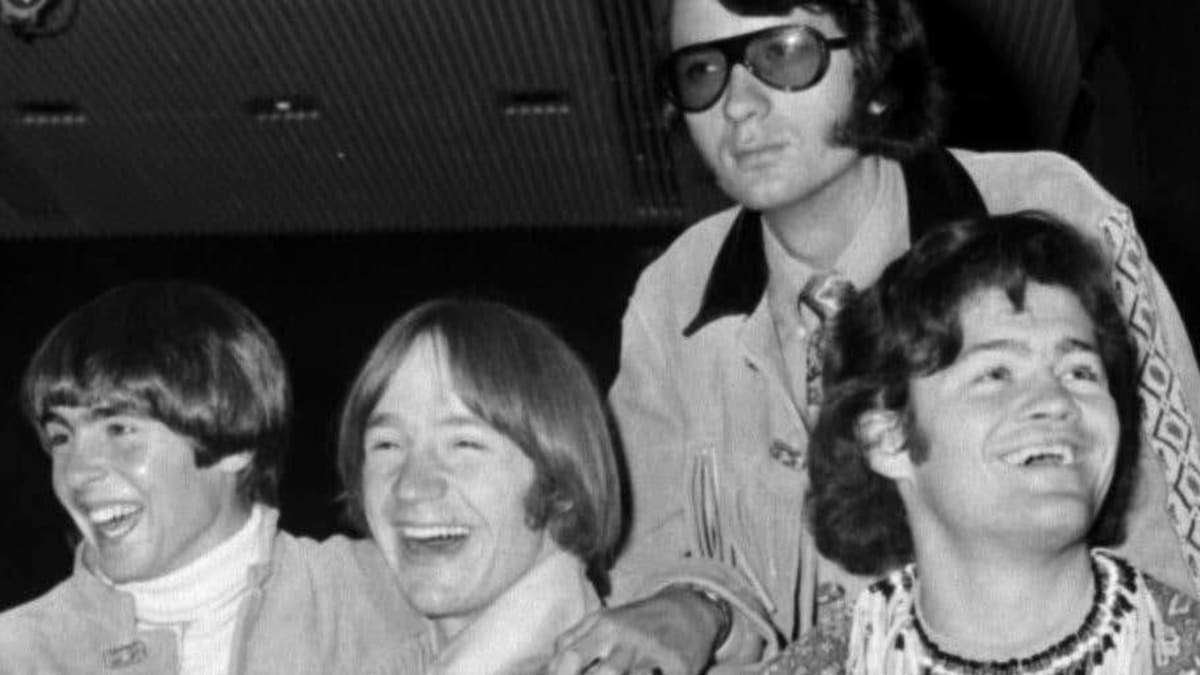
(PA Images / Getty Images)
Sixty years after one of the biggest hits of the 1960s first arrived, the singer who helped make it famous is reflecting on the song’s remarkable legacy and why performing it still gets to him.
On Monday, Nov. 23, Micky Dolenz, the last surviving member of The Monkees, shared a heartfelt Instagram tribute to “I’m a Believer,” the 1966 smash written by Neil Diamond that became the group’s biggest hit on the Billboard Hot 100.
“Sixty years ago this month, ‘I’m a Believer’ was released,” Dolenz wrote. “Neil Diamond wrote it, Jeff Barry produced it, and I had the very good fortune to sing the lead.”
The song became The Monkees’ second No. 1 hit in the United States and spent an astonishing seven consecutive weeks atop the Hot 100, beginning with the chart dated Dec. 31, 1966.
But for Dolenz, the song’s enduring appeal isn’t just about its chart success.
“I’ve sung that song more times than I could ever count, and it still means a great deal to me,” he continued. “It’s the song we close every show with, and there’s something incredibly special about hearing a whole room sing it back. No matter where we play, that moment always gets me.”
‘I’m a Believer’ Became The Monkees’ Biggest Hit
Released in November 1966, “I’m a Believer” arrived just months after The Monkees made their television debut on NBC. The group’s self-titled sitcom premiered in September 1966, introducing audiences to Dolenz and his bandmates, Davy Jones, Peter Tork and Michael Nesmith.
Their debut single, “Last Train to Clarksville,” reached No. 1 on the Hot 100 in November 1966, but their follow-up would prove even bigger. According to Fred Bronson’s “Billboard Book of Number One Hits,” “I’m a Believer” generated more than 1 million advance orders before its release.
The song reached No. 1 on the chart dated Dec. 31, 1966, and remained there for seven weeks, through Feb. 11, 1967. It became the group’s longest-running No. 1 single.
The song was also an international sensation. It topped the U.K. Singles Chart for four weeks, becoming The Monkees’ only No. 1 single in Britain, and reached the top spot in several other countries.
In his anniversary tribute, Dolenz also recalled the song’s flip side, “(I’m Not Your) Steppin’ Stone,” which became a hit in its own right, peaking at No. 20 on the Hot 100.
Advertisement
“With ‘(I’m Not Your) Steppin’ Stone’ on the other side, it turned out to be quite the double threat!” he wrote.
Related: Congrats Pour In for The Monkees and Longtime Manager Andrew Sandoval After First Grammy Nod in 58 Years
Neil Diamond Wrote One of The Monkees’ Signature Songs
Although Dolenz provided the lead vocals, several major figures in popular music helped create the recording.
Diamond wrote the song, Jeff Barry produced it and Artie Butler arranged it. Diamond also played acoustic guitar on the session. Dolenz made a point of recognizing the musicians whose contributions helped give the record its distinctive sound.
“A lot of wonderful people helped create that sound,” he wrote. “Stan Free played the unmistakable organ part, Artie Butler handled the arrangement, and Neil himself played acoustic guitar on the session.”
The song would become one of Diamond’s most celebrated compositions. Rolling Stone ranked “I’m a Believer” as the second-best Monkees song, behind “Daydream Believer,” and praised it as one of the finest songs of Diamond’s songwriting career.
Its popularity continued long after the 1960s. In 2001, Smash Mouth introduced the song to another generation with a cover featured in the animated movie Shrek. That recording reached No. 25 on the Hot 100.
But six decades after the original became a worldwide sensation, Dolenz’s connection to “I’m a Believer” remains deeply personal.
“If you’re lucky, a few songs become part of your life,” he concluded. “For me, ‘I’m a Believer’ is one of those.”
He ended his tribute by asking fans a simple question: “Where did you first hear it?”
Related: 59 Years Ago Today, The Monkees Released Their 4th and Final No. 1 Album; It Sold More Than 3 Million Copies and Helped Pioneer a New Sound
This story was originally published by Parade on Nov 24, 2026, where it first appeared in the Entertainment section. Add Parade as a Preferred Source by clicking here.
Source: “AOL Entertainment”
