


Explosive diarrhea? Why cyclosporiasis may not be to blame
Explosive diarrhea? Why cyclosporiasis may not be to blame

Sarah Moore, USA TODAY NETWORKSat, July 4, 2026 at 10:04 AM UTC
42
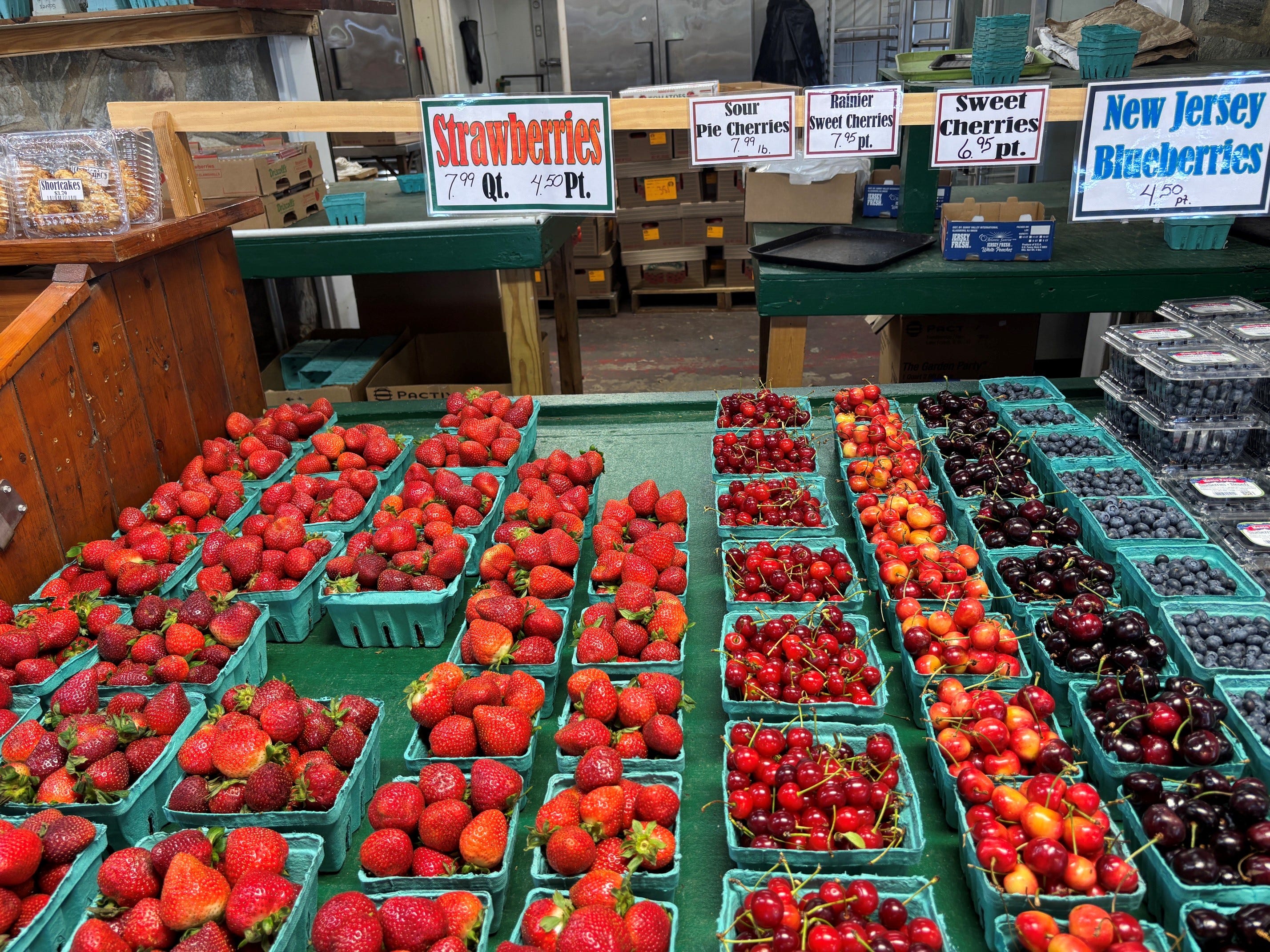
Michigan residents have been warned this week to wash their hands and raw produce as state officials battle an outbreak of the diarrheal illness, cyclosporiasis, which is transmitted via contaminated food or drink.
More than 225 cases of cyclosporiasis, caused by a microscopic parasite called cyclospora cayatenensis, were confirmed in 21 Michigan counties between June 22 and July 1, Lynn Sutfin, a spokesperson for the Michigan Department of Health and Human Services said earlier this week.
More people are expected to get sick in Michigan, health officials said, and the source of the outbreak hasn't been confirmed. Dozens of people in other states also have contracted the parasite.
More: Food-borne parasite infections triple in Michigan. What you should do
Cyclosporiasis is treatable with antibiotics, and it is not considered a life-threatening illness, however, those experiencing symptoms of cyclosporiasis should seek medical attention. Symptom can include watery diarrhea, in addition to bloating, fatigue, low-grade fever, stomach cramps or vomiting.
On July 1, the MDHHS suggested ways to avoid the illness by thoroughly washing your hands, fruit and vegetables because the parasite is transmitted via ingesting food and drink contaminated with feces.
"While the American food supply is among the safest in the world, the Federal government estimates that there are about 48 million cases of food-borne illness annually — the equivalent of sickening 1 in 6 Americans each year," U.S. Food & Drug Administration said in a 2022 report. "And each year these illnesses result in an estimated 128,000 hospitalizations and 3,000 deaths."
Food-borne illnesses such as E. coli, salmonella, listeria, shigella and norovirus are among the most commonly contracted in the U.S. and can appear similar in some ways to the current outbreak. More than a dozen different pathogens are known to infect food and cause illnesses in the U.S., the FDA says.
Here's a breakdown of some common food-borne illnesses in the U.S., according to the FDA:
What are the symptoms of E. coli infection?
E. coli, a bacterium that inhabits the intestines of humans, causes infections often referred to as the "travelers’ diarrhea." It's transmitted via food and drink contaminated with feces.
The illness causes watery diarrhea, stomach cramps and vomiting. Symptoms occur one to three days from exposure.
Illnesses can last from one to 10 days.
What are the symptoms of salmonella infection?
Salmonella, a bacterium, can infect a person who eats contaminated eggs, poultry, meat, raw milk or juice, cheese, contaminated raw fruits and vegetables.
Advertisement
The illness causes diarrhea, fever, stomach cramps and vomiting after 6-48 hours of exposure. The infection can last up to a week.
What are the symptoms of listeria infection?
Listeria, a bacterium, is transmitted via raw milk, soft cheeses made with raw milk, and ready-to-eat deli meats. Symptoms occur after nine to 48 hours, or even up to six weeks later. The length of the infection can vary.
Symptoms include fever, muscle aches, and nausea or diarrhea. Listeria is especially dangerous for pregnant women, the elderly or immunocompromised patients may develop bacteremia or meningitis.
Most people with mild symptoms don't need treatment, however, serious listeria infections can be treated with antibiotics, according to the Mayo Clinic.
What are the symptoms of shigella?
Shigella, a bacterium, is transmitted via raw produce, contaminated drinking water, uncooked foods and cooked foods that are not reheated after contact with an infected food handler.
The illness causes abdominal cramps, fever and diarrhea. Stools may contain blood and mucus.
Symptoms can take up to a week to appear after being exposed. The infection usually lasts one to two days.
What is norovirus?
Like shigella, norovirus is transmitted via contaminated raw produce, drinking water, uncooked foods and cooked foods that are not reheated after contact with an infected food handler; shellfish from contaminated waters.
Norovirus causes nausea, vomiting, abdominal cramping, diarrhea, fever and headaches of which appears within 12-48 hours after being exposed.
Diarrhea is more prevalent in adults, and vomiting is more common in children.
The infection can last up to a week.
Contact Sarah Moore @ smoore@lsj.com
This article originally appeared on Lansing State Journal: 5 common food-borne illnesses and why they might feel the same
Source: “AOL Breaking”
